Talk to Our Engineer, Get a Solution in 20 minutes
Our engineers are the expert in vacuum forming products, you can let them know any requirements and specific demands, then they work out the solution soonest and send back it for free.

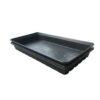
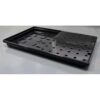
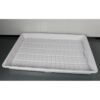
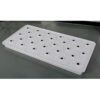
HIPS thermoformed planting trays provide durable, lightweight, and cost-effective solutions for plant cultivation. Featuring well-organized compartments and drainage holes, they ensure optimal water flow and root health. Ideal for nurseries, home gardening, and commercial growers.
Lightweight, Stackable Trays Built For Seedlings, Plug Production, And Nursery Workflows
Precision Thermoformed Cells That Balance Strength And Ease Of Handling
These trays are thermoformed from high-impact polystyrene so every cell keeps a predictable shape while the whole tray stays light enough to lift when full. The walls are engineered to be stiff where you grip or stack and slightly thinner where contouring matters — so trays don’t sag under racks and they behave the same on bench tables and conveyor lines. In practice that means fewer cracked corners and cleaner handling during busy propagation days.
Uniform Compartments That Promote Clean Root Development And Easier Transplanting
Cell shape matters: rounded bottoms and modest taper guide roots naturally and make popping seedlings out less traumatic. Use shallow, high-count cells for quick annuals; deeper, low-count cells for vegetables that stay longer in production. Consistent cell geometry also helps automated seeders and transplant machines run without hiccups.
Strategic Drain Holes And Channels To Prevent Waterlogging And Improve Aeration
Drain holes are placed to clear excess water quickly and avoid soggy pockets after heavy misting. Perimeter channels and textured bottoms help air reach the root zone, lowering damping-off risk and producing stockier starts. If you use ebb-and-flow or overhead mist, tell us your system and we’ll match hole size and pattern.
HIPS Is Tough And Affordable — With UV Considerations For Outdoor Exposure
HIPS is durable, inexpensive, and easy to form — perfect for greenhouses and indoor nurseries. But prolonged direct sun can embrittle it over years. For outdoor, long-term use consider UV-stabilized HIPS or ASA. We’ll help you pick the resin that balances paintability, impact resistance, and lifespan for your operation.
Simple Sanitation Practices To Extend Tray Life And Reduce Disease Transfer
Rinse soil off immediately after use, scrub with mild detergent, and air-dry for longest life. For sanitation between batches, a diluted bleach or peroxy-based dip (follow manufacturer guidance) works well — rinse thoroughly afterward. Avoid very hot sterilization that warps thin sheets; always trial any method on a spare tray.
Nesting And Stacking Geometry That Saves Space And Protects Cells In Transit
Empty trays nest closely to cut storage and freight costs; filled trays stack securely for safe movement around the nursery. Reinforced lips and alignment keys prevent sliding on pallets, reducing damage during peak shipping windows.
Multiple Cell Counts, Depths, Drain Patterns, And Handling Features Available
Choose common formats (e.g., 32/50/72/128 cells) or request custom footprints, numbered cells for trials, or dedicated punched patterns for irrigation fittings. Options include reinforced edges, pre-punched drains, measurement marks, and molded grips to speed manual handling.
From Hobby Gardeners To Commercial Nurseries And Research Labs
These trays suit hobby seed starting, commercial plug production, rooftop farms, university trials, and urban farms. They shine where repeatability matters — consistent cell shape reduces variability across thousands of plants.
Reusable By Design And Easier To Recycle Than Many Disposable Alternatives
Durability means fewer replacements and less landfill. When trays retire, HIPS is recyclable in many streams — check local facilities or set up a take-back loop to close the material loop.
Cell Size, Depth, Material Grade, Drain Pattern, And Handling Features Are Key
– Cell count & spacing (match to seed size and transplanter tooling)
– Cell depth (shallow for fast seedlings, deep for long-stay plugs)
– Material grade (UV-stabilized for outdoor use)
– Drain arrangement (for your irrigation system)
– Handling features (reinforced lips, numbered cells, molded grips)

TKP Plastic is China's leading provider of vacuum forming solutions. We are defined by our commitment to innovation, uncompromising quality, and total customer satisfaction. Our expertise enables us to deliver projects that excel in cost-effectiveness, intricate design, and sustainable manufacturing. Partner with TKP to bring your vision to life with precision and reliability.