Talk to Our Engineer, Get a Solution in 20 minutes
Our engineers are the expert in vacuum forming products, you can let them know any requirements and specific demands, then they work out the solution soonest and send back it for free.

Explore how vacuum-formed plastics power packaging, medical devices, electronics, and more. Global B2B insights for custom trays, boxes, and components.
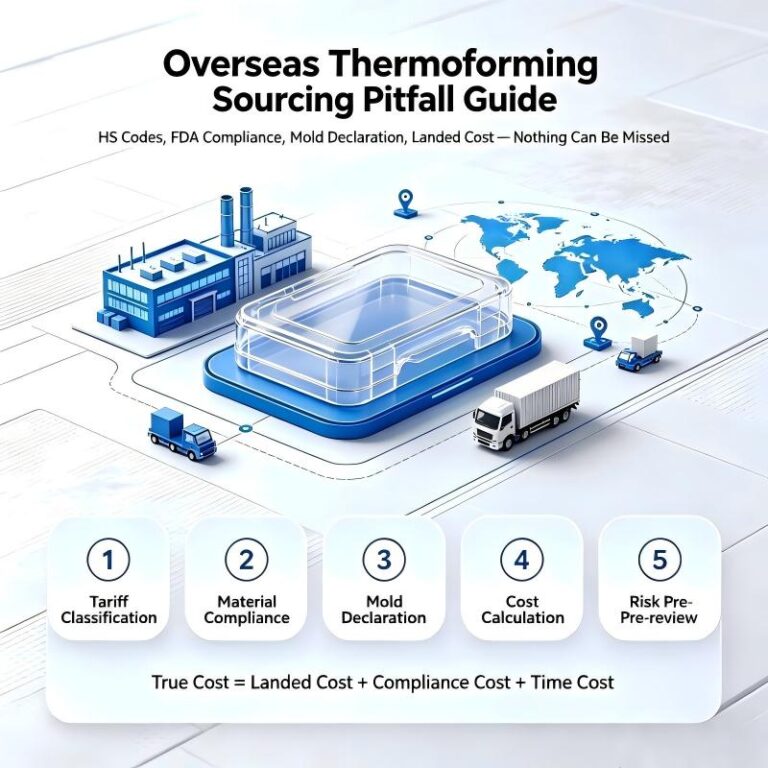
So you've decided to source your vacuum forming (thermoforming) parts from overseas — and more likely than not, from China, the world's largest plastics manufacturing hub.
That decision opens up cost advantages and access to advanced manufacturing capabilities. But it also introduces a complex web of cross-border compliance requirements that many procurement professionals underestimate.

When a product needs to look good and perform well, ABS and acrylic often land on the shortlist. ABS is an engineering thermoplastic valued for impact resistance, toughness, and dimensional stability, while acrylic—polymethyl methacrylate, or PMMA—is prized for optical clarity, brilliance, and strong UV resistance.

In the field of medical device manufacturing, while the focus is on high-precision injection molding or cutting-edge 3D printing, plastic vacuum/thermoforming technology is often considered a "traditional" process. However, with the rapid advancements in materials science and automation technology, thermoforming technology is redefining the manufacturing standards for medical devices and sterile packaging with its perfect balance of design flexibility, cost-effectiveness, and production efficiency.
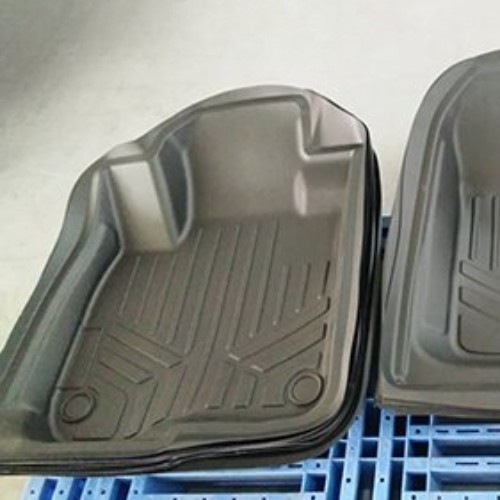
Automotive manufacturing is not just about making parts — it’s about balancing weight, cost, speed, and risk. For large components such as trunk liners, underbody shields, bumper cores, and interior structural panels, traditional processes often force painful trade-offs. Thick sheet thermoforming exists in that strategic middle ground where engineering practicality meets financial realism.
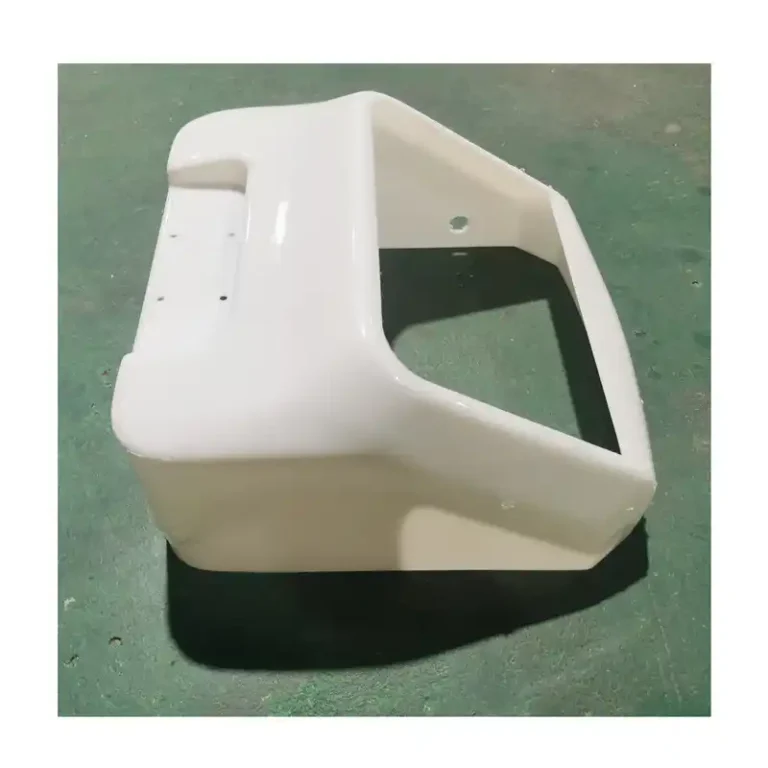
Vacuum forming composite sandwich sheets (rigid plastic skins + foam or honeycomb core) is a great way to make lightweight, stiff parts — but it brings three recurring headaches: sandwich separation (delamination), interlayer slippage, and differing thermal expansion between layers.

This article cuts past marketing claims to compare vacuum forming and traditional methods so you can pick the right tool for the job — especially when exploring professional processes like vacuum forming for costume-grade components.
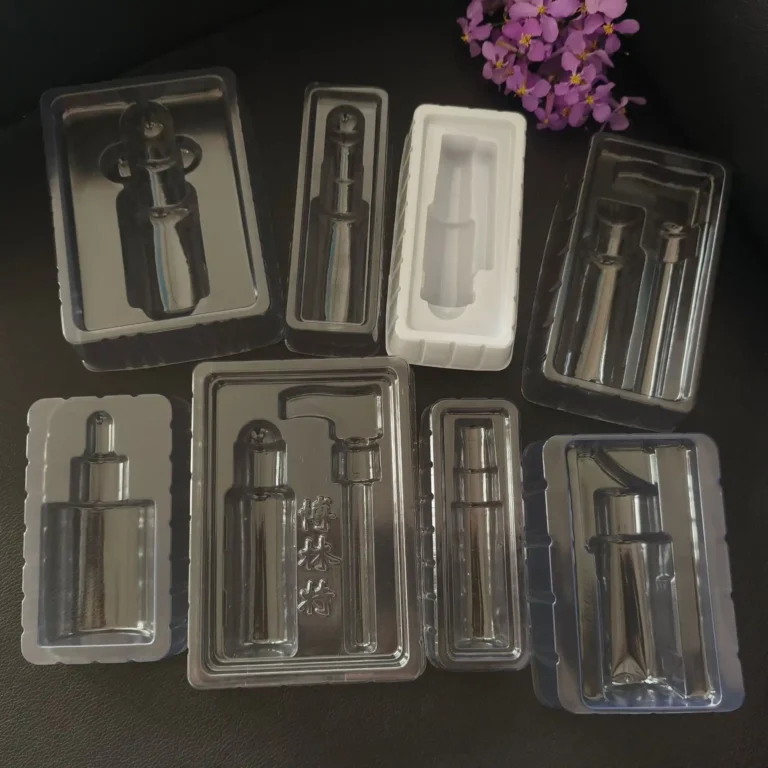
In 2026, the blister tray packaging market isn’t about plastic anymore. It’s about risk management, regulatory survival, sustainability credibility, and operational calm in industries where failure is expensive and very public
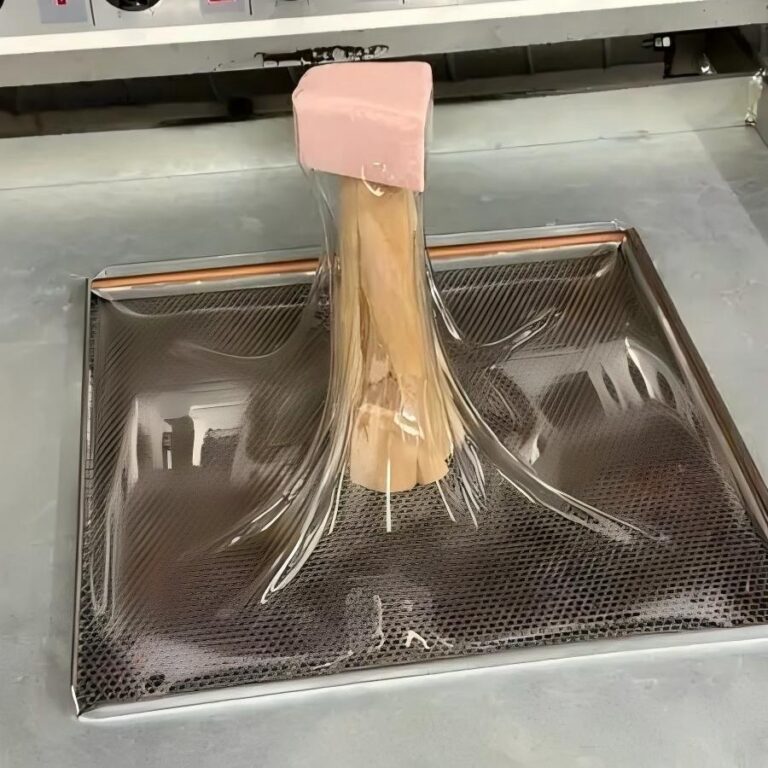
Heating is the single most important step in vacuum forming. Heat it too little and the sheet won’t stretch; heat it too much and you’ll scorch, thin out, or ruin the part — and risk hazardous fumes. This guide gives clear, usable steps you can apply whether you’re working at a hobby bench or a small shop, plus safety checks and quick troubleshooting so you waste less material and get repeatable results.

Vacuum forming Looks Simple—Heat A Sheet, Stretch It Over A Mold, Cool It—But The Real Work Happens In The Material. The Choice Of Polymer Dictates Strength, Surface Finish, Weathering, Cost, How The Sheet Stretches Around Tight Corners, And What Post-Processes (Painting, Bonding, Plating) Will Work.
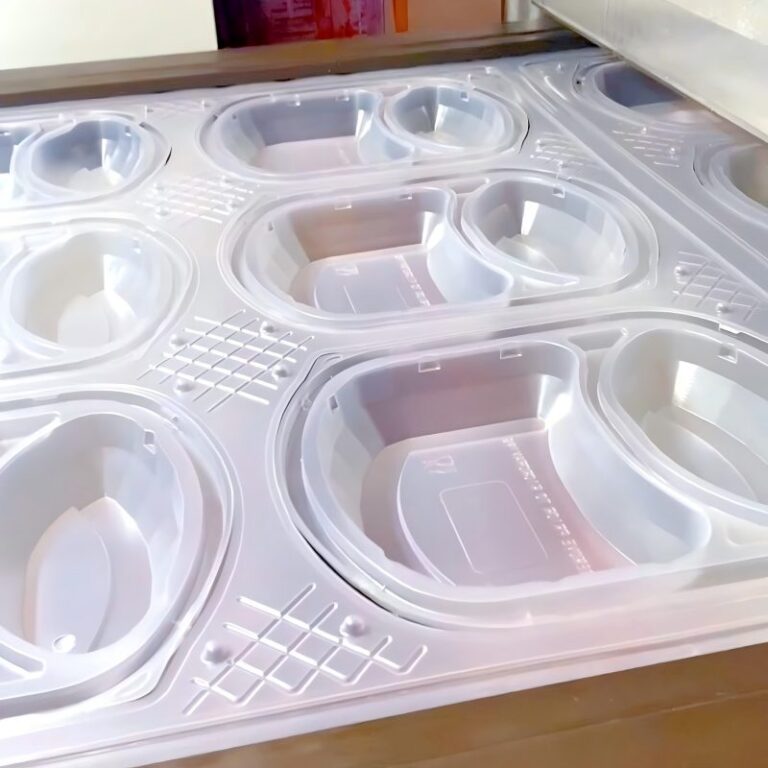
Short Description: A Friendly, Practical Look At The Everyday Items Made With Vacuum Forming — What It Is, Why It Works, And How To Design For Production Opening NoteShort Description: Why This Guide Is Different — Clear Rules, Real Tradeoffs,…
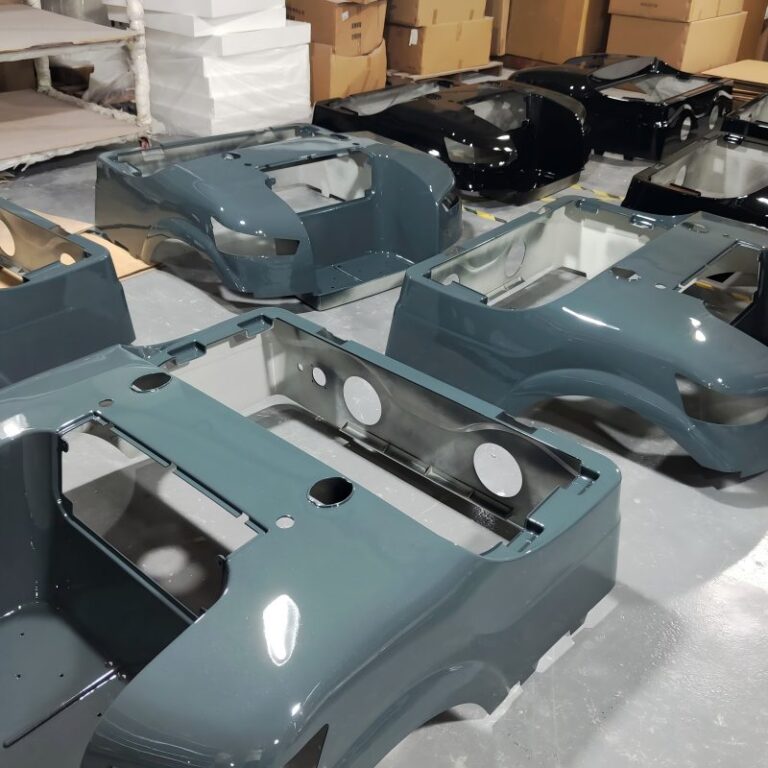
The development of thermoformed products in the automotive industry is evolving towards lightweighting, environmental friendliness, and high personalization. The expansion of the new energy vehicle market will further enhance the application value of vacuum forming technology due to the increasing demand for lightweight components.
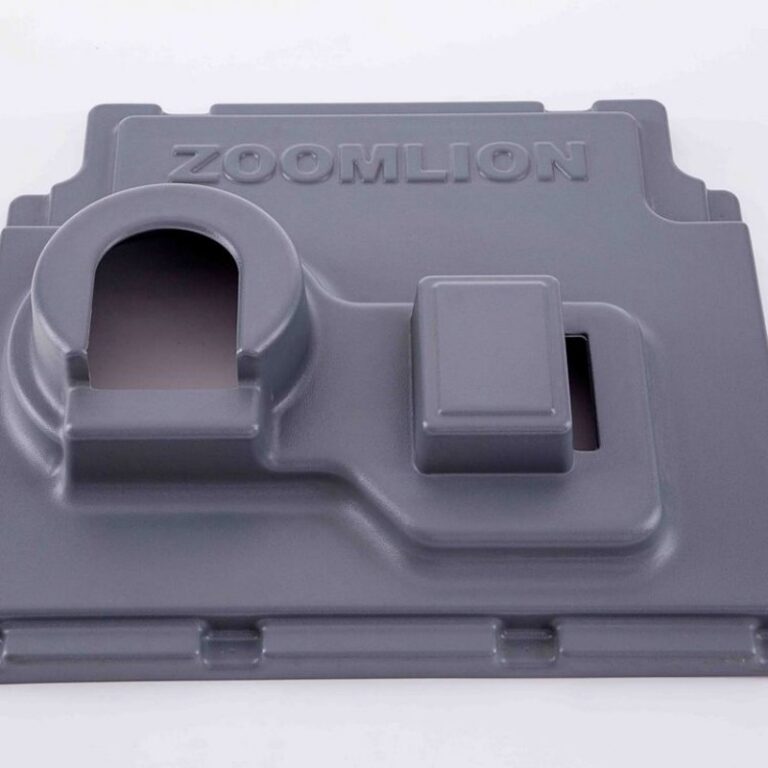
This article systematically analyzes the technological principles of HDPE vacuum forming, showcasing its overwhelming advantages over traditional wooden, metal, and other plastic packaging through detailed comparative data. It also explores its successful applications in diverse industries such as automotive, electronics, medical, and modern agriculture.

TKP Plastic is China's leading provider of vacuum forming solutions. We are defined by our commitment to innovation, uncompromising quality, and total customer satisfaction. Our expertise enables us to deliver projects that excel in cost-effectiveness, intricate design, and sustainable manufacturing. Partner with TKP to bring your vision to life with precision and reliability.