Talk to Our Engineer, Get a Solution in 20 minutes
Our engineers are the expert in vacuum forming products, you can let them know any requirements and specific demands, then they work out the solution soonest and send back it for free.

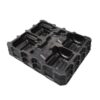
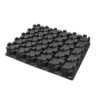
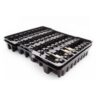
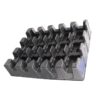
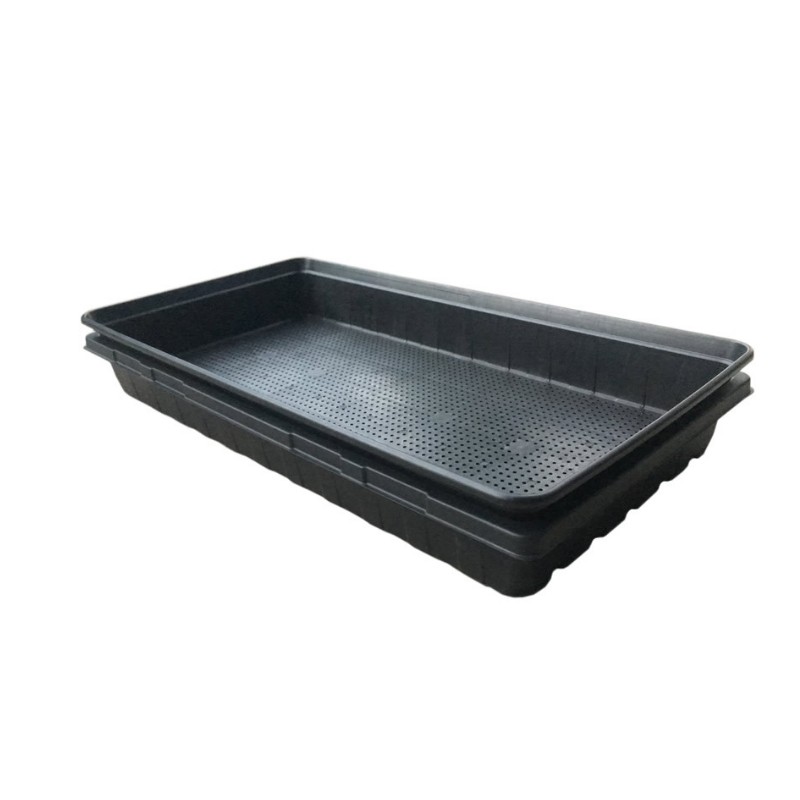
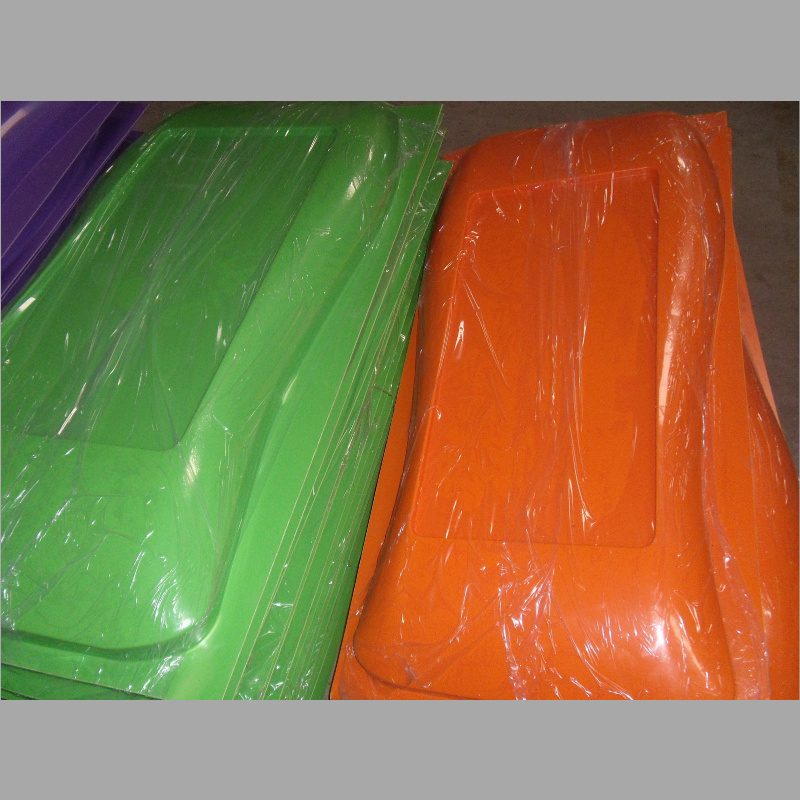
The PS Anti-static Electronic Suction Tray is designed for safe handling and transportation of delicate electronic components. With an anti-static surface, it ensures protection against electrostatic discharge, preserving the integrity of sensitive items during storage and transport.
Durable, Anti-Static Trays With Integrated Suction For Real-World Electronics Workflows
Protects Sensitive Parts From Static And Shock While Making Handling Predictable
Think of the tray as the difference between a chaotic bench and a calm, repeatable process: parts stay put, operators stop chasing components, and costly ESD events become rare. It’s not just “a tray” — it’s a small system that reduces scratches, lost parts, and intermittent faults caused by static.
Compartmented, Stackable Trays With Suction Zones And A Proven Anti-Static Surface
Each tray has individual pockets sized for parts, engineered perforations or soft inserts for vacuum hold, and an anti-static finish (either coated or compounded material). They nest for shipment, stack when full, and survive repeated cycles on the bench without warping.
Tunable Vacuum Hold That Secures Everything From Tiny SMDs To Bulky Assemblies
The tray’s suction pattern is designed to match part geometry and handling needs. Use gentle suction for fragile flex circuits and stronger hold for connectors or small subassemblies. In practice operators set a low, medium, or high vacuum profile at the station rather than hunting for precise numbers — the important thing is repeatable hold without pinching or deforming parts.
Dissipative Or Conductive Options, Coated Or Compounded, Depending On Duty Cycle
For high-throughput lines choose a permanently compounded dissipative PS so the tray’s ESD properties don’t wash away. For occasional or controlled use a re-treatable anti-static coating can be economical. Pair any tray choice with grounded workstations, wrist straps, and ionization — trays are one layer of a full ESD control plan.
Less Rework, Faster Pick Rates, And Fewer ‘Mysterious’ Failures During Test
Technicians report fewer dropped parts during soldering or test, faster visual inspection cycles because components are consistently oriented, and lower scrap from handling damage. In short: predictable behavior on the bench turns into measurable time savings.
PS Is Lightweight And Rigid—Choose UV Or Chemical-Resistant Grades If Needed
Polystyrene gives good stiffness at low cost and forms clean pocket geometry, but it can be sensitive to prolonged high heat and certain solvents. If trays will see aggressive cleaners, high temperatures, or outdoor storage, specify a chemically resistant or UV-stabilized grade.
Quick Rinse, Mild Detergent, And Periodic Deep Clean To Keep Suction And ESD Performance
Daily: brush or blow out debris from pockets and wipe sealing faces. Weekly/Monthly: rinse with mild detergent and lint-free cloths. For deeper sanitation between production runs use a peroxy-based sanitizer or a diluted bleach solution per your EHS guidelines — rinse thoroughly and dry. Inspect suction holes and replace soft seals or pads on a schedule (for example, after visible wear or every few thousand cycles).
Cell Size, Pocket Depth, Suction Pattern, Material Grade, And Any Inserts Or Labeling
Provide sample parts (or CAD) so pockets and suction points are tailored. Decide whether you want: pre-fitted foam/silicone inserts for delicate shapes, numbered pockets or barcodes for traceability, and whether lids or protective covers are required for transport.
Dimensional Fit, Vacuum Retention, And Surface ESD Verification Are The Key Checks
Typical acceptance tests: pocket dimensions vs. spec, a vacuum-hold time—how long an item stays secure at a set vacuum—and surface resistivity or charge dissipation checks after cleaning cycles. Request first-article samples so you can run these tests with your pick-and-place or manual tooling.
Nesting For Storage, Secure Stacking When Full, And Optional Protective Lids For Transit
Trays nest tightly when empty to save space; when loaded they stack securely to move between cells or stations. Add protective lids for long shipments or use kits with labeled hardware to speed replenishment.
Match Suction To Fragility, Use Soft Inserts For Odd Shapes, And Keep ESD Controls Active
Use the lowest suction that holds the part reliably.
Soft silicone inserts prevent point loading on delicate leads.
Maintain grounding and ionization — trays reduce risk but don’t eliminate it.
A Hands-On, Repeatable Solution That Lowers Handling Damage, Cuts Lost-Part Time, And Improves Test Yield
If you care about repeatability on the bench, fewer “mystery failures” in test, and an easier life for assemblers and repair techs, this tray delivers practical ROI through fewer scrapped components and faster throughput.

TKP Plastic is China's leading provider of vacuum forming solutions. We are defined by our commitment to innovation, uncompromising quality, and total customer satisfaction. Our expertise enables us to deliver projects that excel in cost-effectiveness, intricate design, and sustainable manufacturing. Partner with TKP to bring your vision to life with precision and reliability.