Talk to Our Engineer, Get a Solution in 20 minutes
Our engineers are the expert in vacuum forming products, you can let them know any requirements and specific demands, then they work out the solution soonest and send back it for free.

The honest answer: Vacuum forming only feels expensive when you expect it to behave like injection molding — or when you don’t realize where the money is quietly leaking.
Most people don’t wake up wanting to use vacuum forming. They arrive here after a quote shocks them… or after an injection mold quote nearly gives them a heart attack. What they’re really asking is:
“Am I about to make an expensive mistake?”
Let’s talk about that — without sales language, without simplified charts, and without pretending cost is universal.
Here’s the uncomfortable truth: manufacturing cost is emotional before it’s mathematical.
A $3,000 mold can feel cheap or insane depending on:
Vacuum forming sits in a strange middle ground. It looks cheap compared to injection molding. It looks expensive compared to cutting plastic by hand.
That’s why people misunderstand it.
Most articles talk about “tooling, materials, labor.” That’s true — but incomplete. Let’s talk about where budgets really disappear.
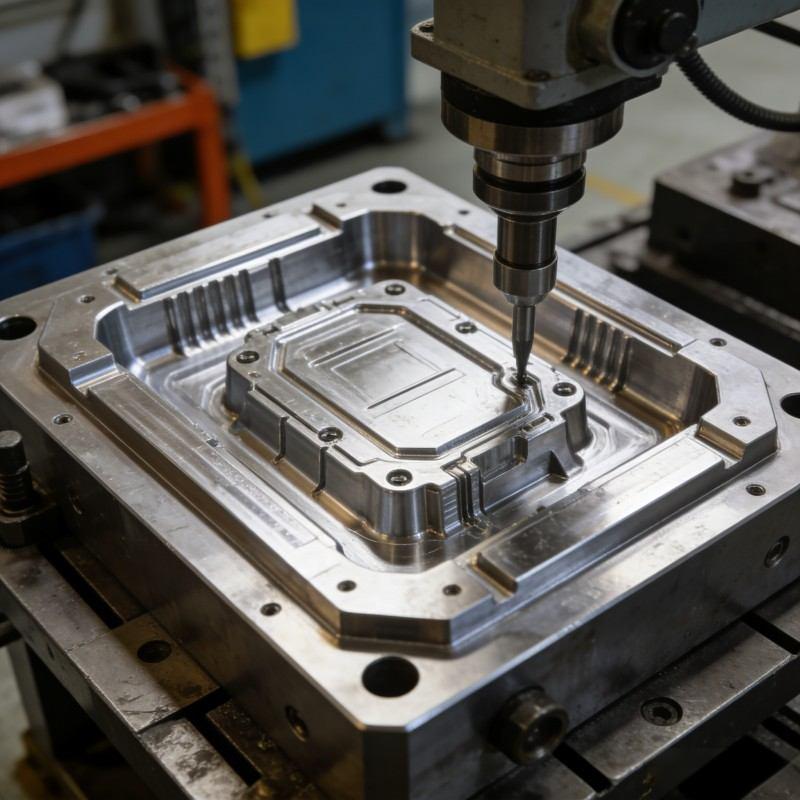
Yes, vacuum forming molds are cheaper. But here’s the catch no one tells you:
Cheap tooling encourages indecision.
When molds are affordable, teams change designs more often. Every small revision — draft angle, wall thickness, mounting hole — can quietly create new tooling.
Vacuum forming isn’t expensive — changing your mind is.
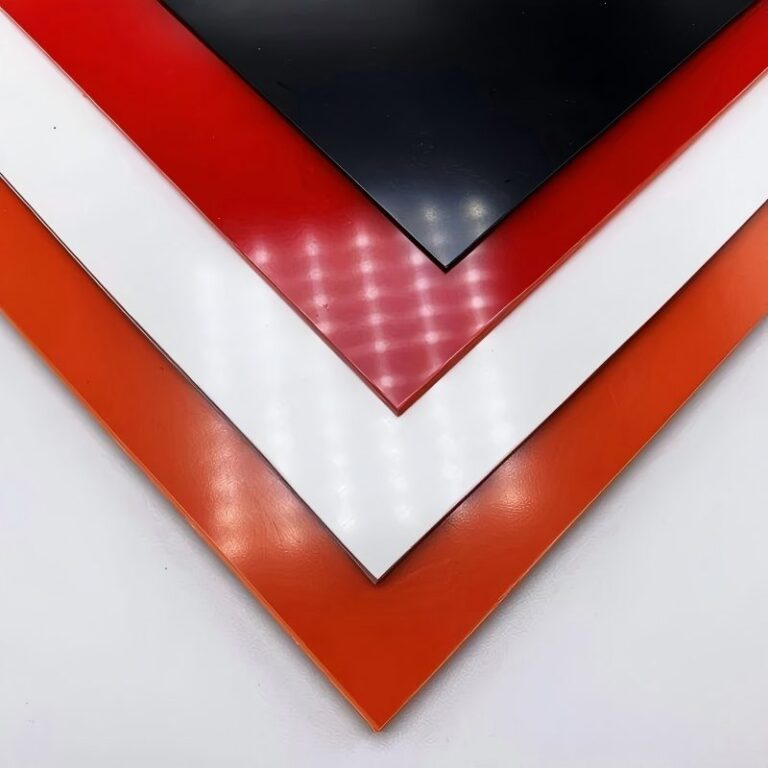
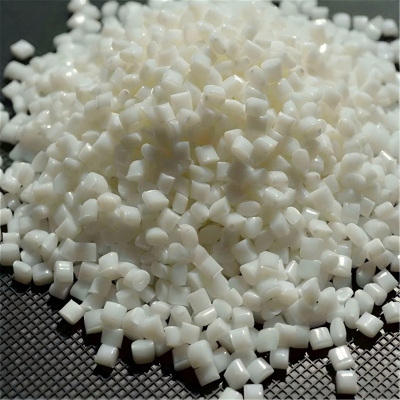
Plastic sheet pricing is transparent. Thicker sheet = more money. Larger parts = more waste.
What surprises people is scrap:
None of this looks dramatic individually, but over a few hundred parts, it adds up. Vacuum forming doesn’t hide inefficiency — it exposes it.
The heating and forming cycle is not where your cost explodes.
The real expense starts after the plastic cools:
In many projects, post-processing costs more than forming. This is where inexperienced buyers underestimate budgets.
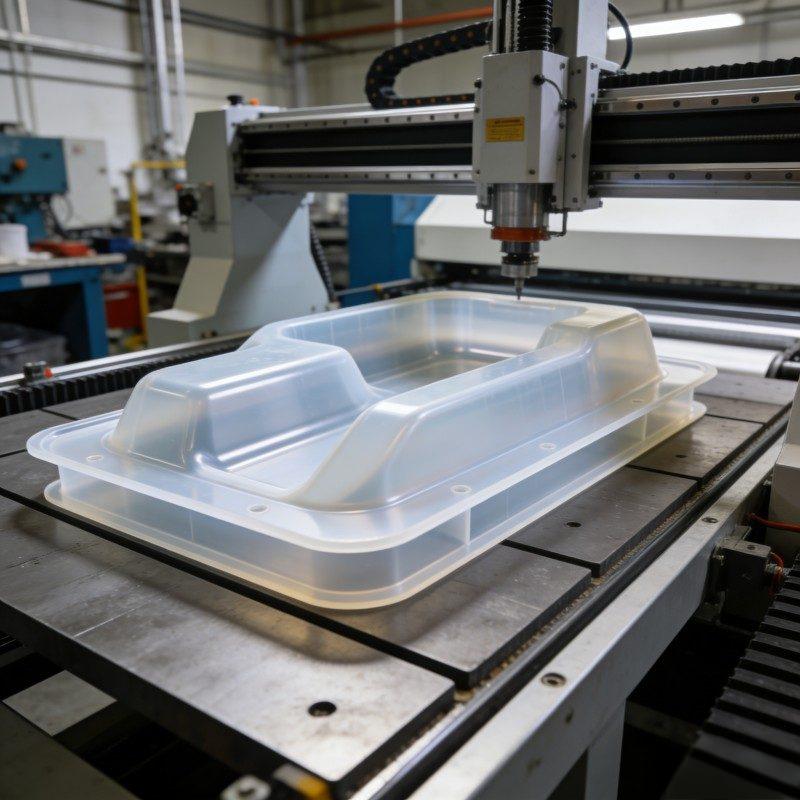
Let’s say this clearly:
Vacuum forming is not “cheap injection molding.” And injection molding is not “expensive vacuum forming.”
They solve different pain points.
Vacuum forming is paying for:
Injection molding is paying for:
If you need 300 parts and expect injection-level finish — vacuum forming will feel expensive. If you need 30,000 large housings — vacuum forming might save your project. Contact TKP Vacuum Forming for professional advice.
Most cost charts lie because they’re too clean.
Reality looks like this:
Cost is not linear. It bends with volume, design stability, and tolerance expectations.
These are the moments people regret the process:
Notice something? None of these are vacuum forming problems. They are planning problems.
This is where experienced teams quietly win:
Vacuum forming rewards honesty. If you know what you need — it behaves beautifully.
Instead of asking:
“Is vacuum forming expensive?”
Ask:
“What am I paying to avoid?”
Once you frame cost that way, vacuum forming often looks… reasonable.
Vacuum forming is not cheap. It’s forgiving.
It forgives:
And forgiveness, in manufacturing, is rarely free — but it’s often worth it.
If you want, next we can:
Just tell me which direction you want to go. TKP team can offer you the best solutions and services.

TKP Plastic is China's leading provider of vacuum forming solutions. We are defined by our commitment to innovation, uncompromising quality, and total customer satisfaction. Our expertise enables us to deliver projects that excel in cost-effectiveness, intricate design, and sustainable manufacturing. Partner with TKP to bring your vision to life with precision and reliability.