Talk to Our Engineer, Get a Solution in 20 minutes
Our engineers are the expert in vacuum forming products, you can let them know any requirements and specific demands, then they work out the solution soonest and send back it for free.

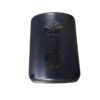
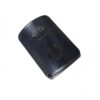
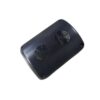
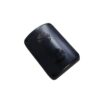
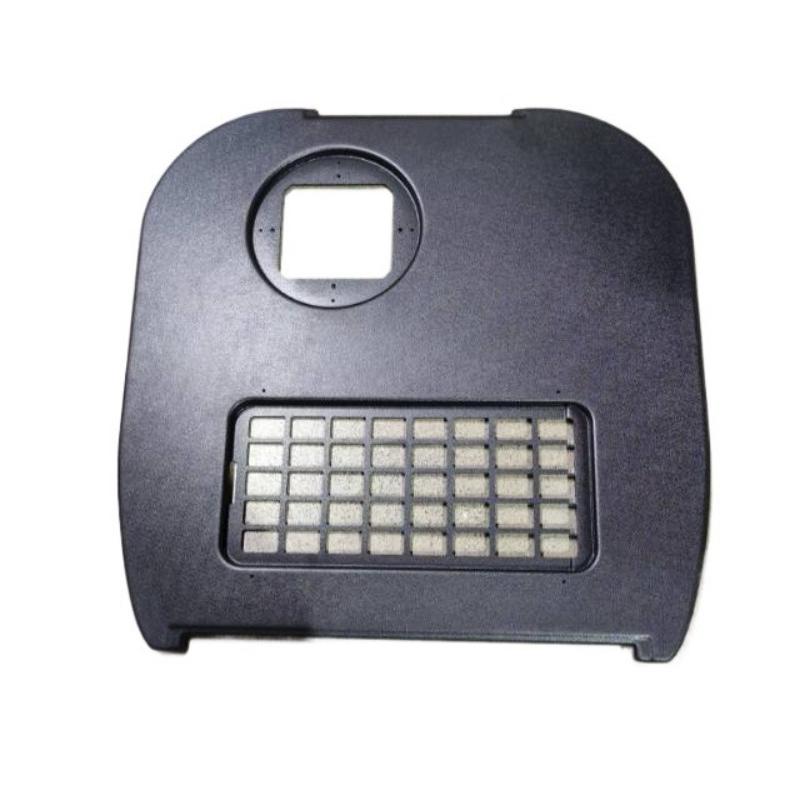
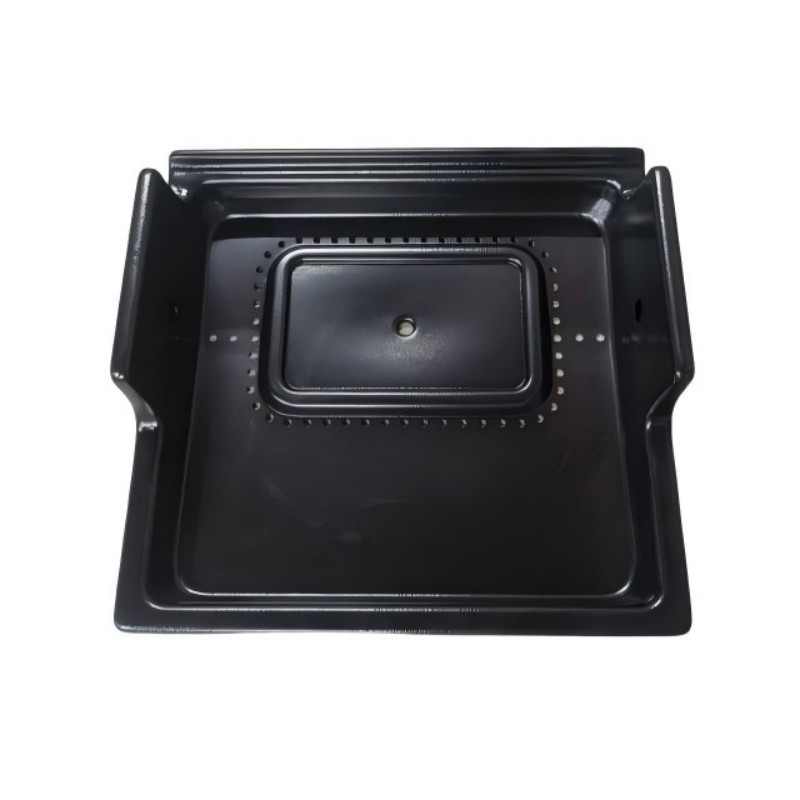
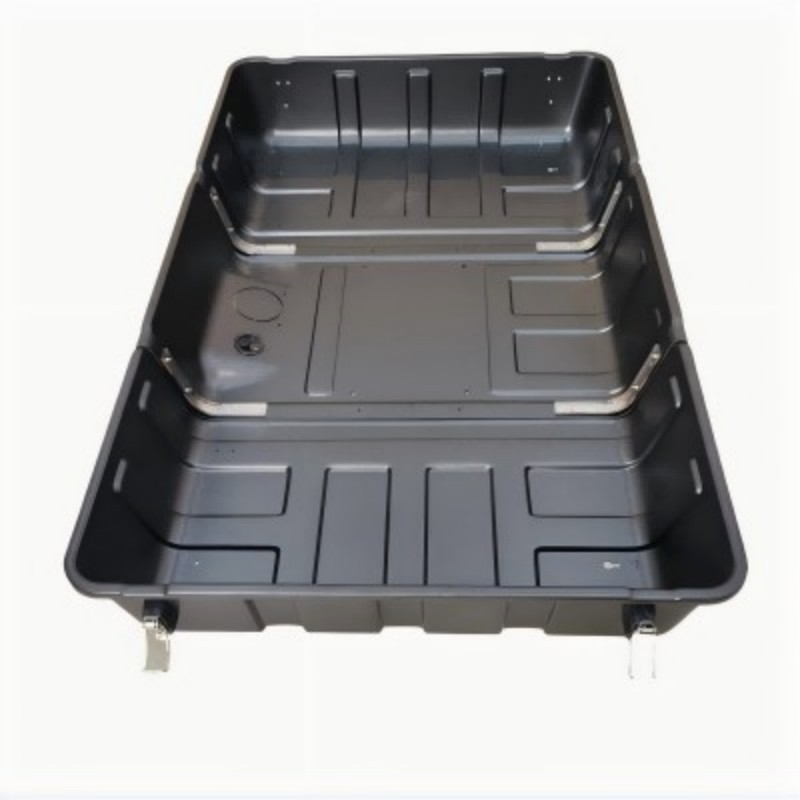
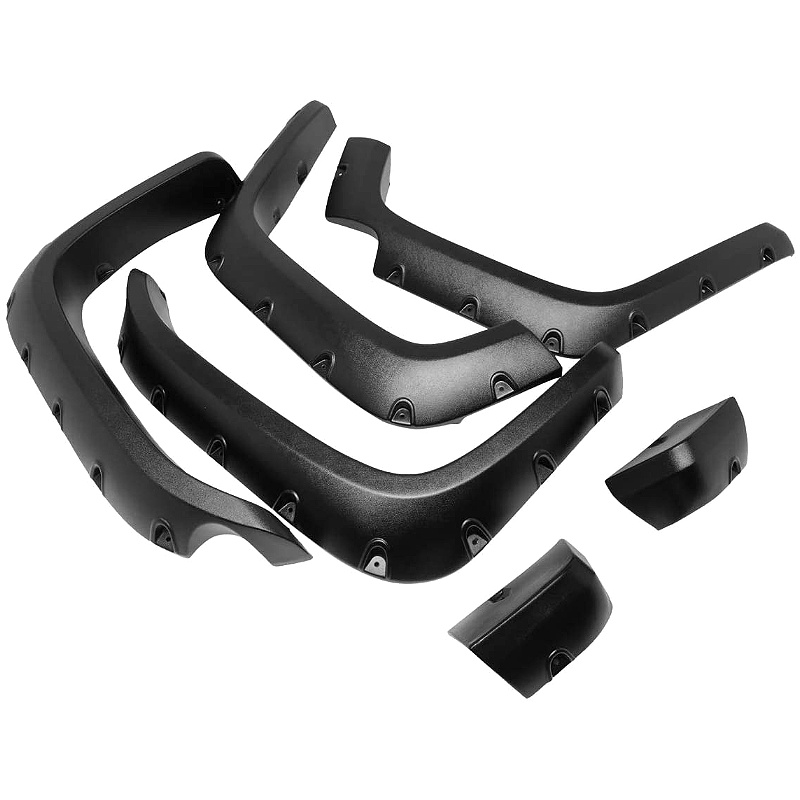
Custom vacuum formed ABS plastic protective covers offer superior durability, impact resistance, and precision for safeguarding delicate components in electronics and industrial applications. These covers are tailored to fit perfectly, providing reliable protection.
Sleek, Tough Covers That Protect Electronics And Machinery.
Practical Protection That Looks And Feels Finished.
These covers are the parts that quietly do the job no one notices until they’re missing: keep dust out, survive knocks, and make a product look cared-for. They’re not just “plastic boxes” — with the right design they simplify assembly, reduce field failures, and raise perceived quality in a way customers actually notice.
From Bare PCBs To Pumps — One Cover, Many Uses.
Circuit boards, connectors, small motors, sensor clusters, displays and valve assemblies — if it’s vulnerable to dust, bumps or curious hands, a fitted ABS cover is cheap insurance. You’ll see them on benchtop instruments, kiosks, forklifts, and vehicle-mounted electronics.
Heated Sheet, Precision Mold, Then Trim And Finish.
A sheet of ABS is warmed, draped over a mold and pulled tight with vacuum. After cooling it’s trimmed, deburred and finished. Because the mold does the shaping, you get single-piece shells with continuous surfaces (fewer seams that trap grime) and repeatable fit from batch to batch.
A Useful Mix Of Strength, Weight And Finishability.
ABS is forgiving to form, resists impact better than many brittle plastics, sands and paints cleanly, and takes texturing or glossy finishes. That balance — durability plus a good-looking surface — is why it’s the go-to for protective covers where both protection and presentation matter.
Cutouts, Vents, Bosses And Colors — Made To Order.
Need connector holes, vents for cooling, screw bosses, snap-fit clips or a branded color? Vacuum forming handles it. You can add internal ribs for stiffness, design removable service panels, or include sacrificial tabs where wear is concentrated.
Small Choices Up Front Prevent Big Rework Later.
Keep Draw Depths Conservative: Extreme draws thin walls and wash out texture.
Add Draft Angles And Generous Radii: Easier demolding and fewer stress points.
Mold In Attachment Features: Bosses and clips are cheaper and stronger than glued-on hardware.
Design For Service Access: Removable panels or obvious fasteners save techs time (and warranty calls).
Prototype In-Place: Fit a single prototype onto the real assembly — nothing beats finding clearance issues on the actual product.
Helpful Starting Numbers — Then Validate With Samples.
Typical Wall Thickness: ~1.5–3.0 mm For Small Covers; 3–6 mm For Load-Bearing Pieces.
Typical Tolerance: ±0.5 mm Non-Critical; Tighten Only Where Function Demands It.
Common Finishes: Matte (hides fingerprints), Satin (shows texture), Gloss (premium but shows flaws).
Always confirm these ranges with a physical sample — forming, trim and chill rates affect final dimensions.
Short, Concrete Scenes That Show Why Details Matter.
Field Techs Loved A Snap-Off Access Tab: After adding one, routine battery swaps went from five minutes to thirty seconds — fewer lost screws and fewer angry calls.
One Line Reduced Returns By Fixing Boss Thickness: Increasing boss wall from 1.2 mm to 2.5 mm stopped cracking around screws across 120 units.
Concrete Checks That Catch Real Problems.
Fit Test: Mount the part to the actual assembly and cycle any moving interfaces.
Thermal Soak: Run powered electronics in the cover to check for heat build-up and vent effectiveness.
Solvent/Cleaner Wipe: Use the cleaners your maintenance team will use to verify no surface damage.
Impact / Stub Test: Simulate knocks on corners and bosses.
Visual Match: Inspect color and grain under the lighting where the product will live.
What Breaks, Why, And What To Do About It.
Thin Bosses Crack: Cause — underspecified wall or overtightened fasteners. Fix — thicken bosses, add metal inserts or use torque-limiting drivers.
Grain Or Texture “Washes Out”: Cause — over-stretch in deep draws. Fix — redesign mold or split the part into multiple pieces.
Chemical Softening Or Staining: Cause — contact with aggressive solvents. Fix — choose a resistant ABS grade, add a topcoat, or reroute contact areas.
Simple Rules That Make Parts Live Longer In The Field.
Use Torque-Limited Tools On Threaded Fasteners.
Train Staff To Remove Snap Clips Correctly (pull at the clip, not the shell).
Recommend Mild Detergents Or Isopropyl Alcohol For Cleaning; Avoid Concentrated Solvents Unless Specified.
Keep A Small Spare-Kit: 3–5 replacement covers per site cuts downtime on common knocks.
Small Changes That Improve Recyclability.
Ask suppliers for recycled-content ABS and specify mechanical fasteners over permanent glue. Design covers so they can be separated from foam, metal, or electronics — that makes recycling realistic instead of theoretical.
Fast Answers To The Questions Buyers Ask First.
Q: Can These Covers Be Painted Or Labeled?
A: Yes — ABS takes paint, silk-screening and adhesive labels after proper surface prep.
Q: How Fast Can I Get A Prototype?
A: Often days to a few weeks, depending on mold complexity and finish choices.
Q: Will Vents Compromise Strength?
A: Not if vents are ribbed and placed away from high-stress bosses — good geometry keeps airflow without losing stiffness.

TKP Plastic is China's leading provider of vacuum forming solutions. We are defined by our commitment to innovation, uncompromising quality, and total customer satisfaction. Our expertise enables us to deliver projects that excel in cost-effectiveness, intricate design, and sustainable manufacturing. Partner with TKP to bring your vision to life with precision and reliability.