Talk to Our Engineer, Get a Solution in 20 minutes
Our engineers are the expert in vacuum forming products, you can let them know any requirements and specific demands, then they work out the solution soonest and send back it for free.

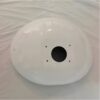
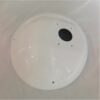
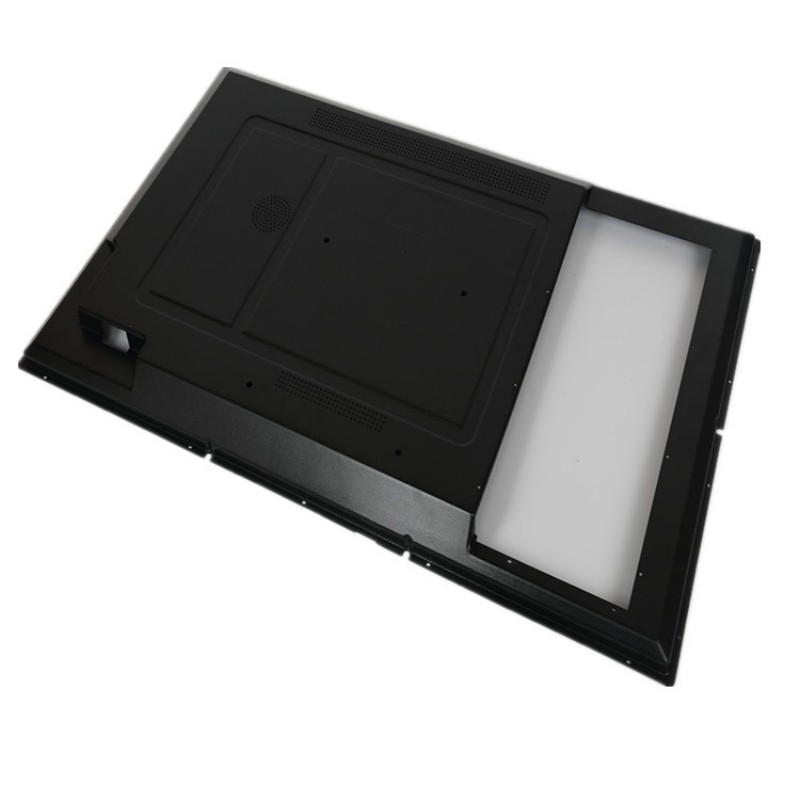
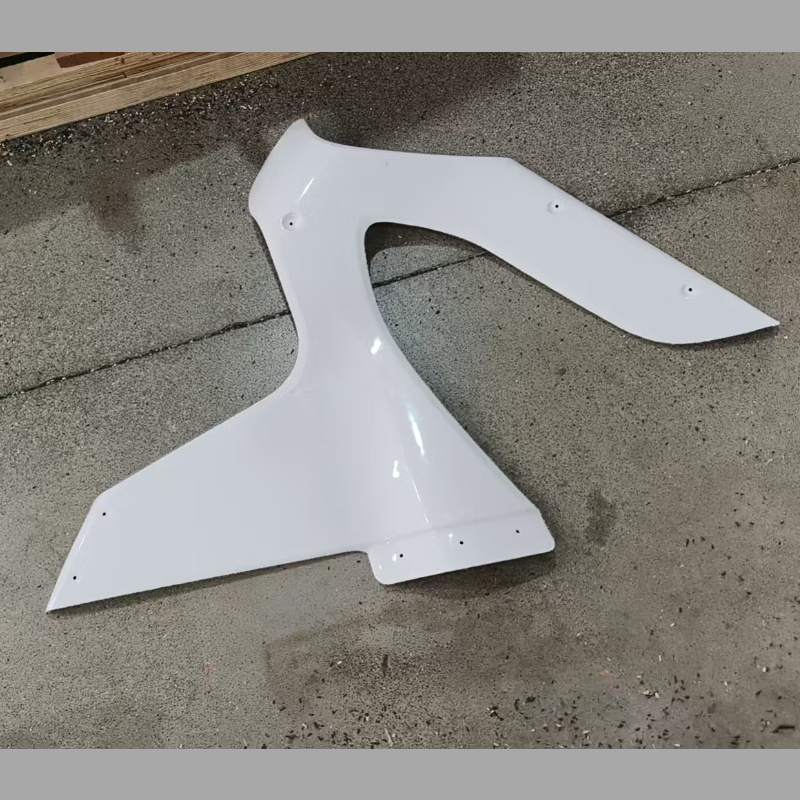
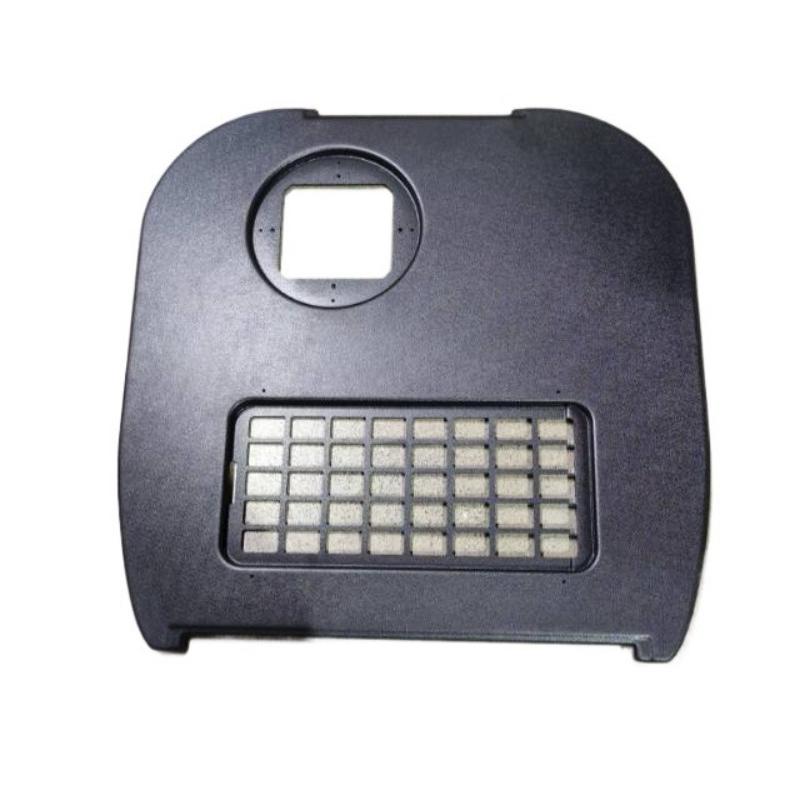
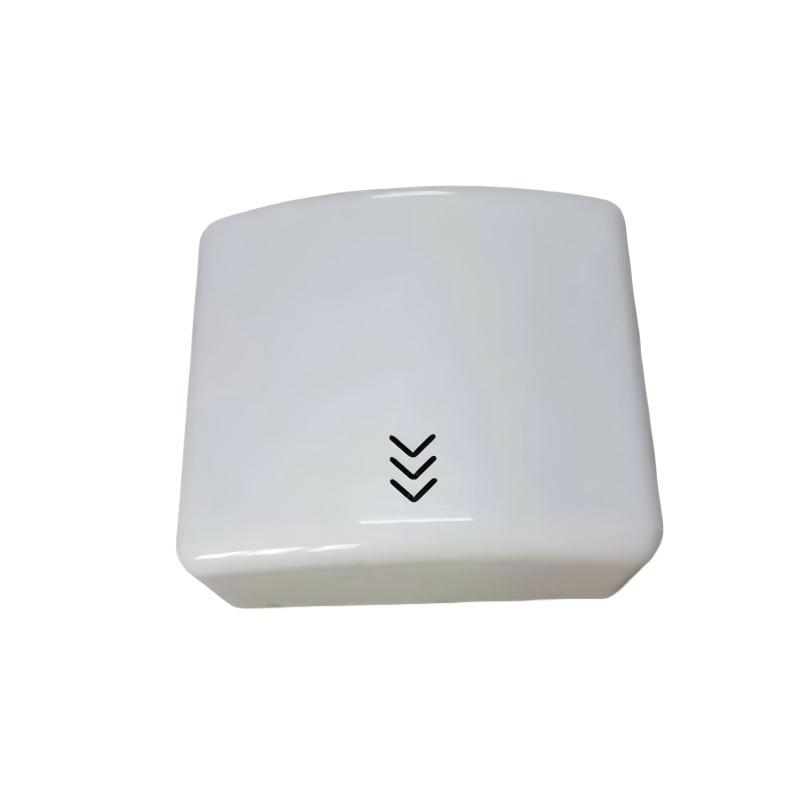
Our Customized Industrial Equipment Vacuum Forming Shells are designed for superior protection and functionality. Tailored to meet the specific needs of your industrial applications, these shells are crafted using high-quality materials to ensure durability, precision, and effective performance in any environment.
Purpose-Built Protective Shells Designed To Fit Equipment, Not Fight It.
Think of these shells as the part that quietly keeps a machine doing its job — not flashy, but the difference between a line that hums along and one that spends afternoons waiting for replaced parts. In the real world, a cover does three things: it protects, it doesn’t get in the way of the work, and it’s easy for people to live with. Good vacuum-formed shells do exactly that because they’re shaped to the machine, not the other way around.
In practice you’ll see a few recurring needs. Operators want access that doesn’t demand a dozen screws; maintenance crews want drains and vents that don’t clog; purchasing wants something that survives shipping and keeps warranty claims down. Vacuum forming is attractive here because it makes single-piece shapes with smooth inside surfaces, integrated flanges, and molded bosses — all of which cut assembly time and reduce the number of loose parts that get lost on the shop floor.
Material choice is where the job gets honest. A thin, inexpensive sheet might look fine in a sample but will bow or crack under a toolbox hit. Conversely, over-spec’ing the wall makes the shell heavy and expensive. Typical, well-balanced shells for mid-sized machines often land in the 2–5 mm wall range depending on span and loading; tight spans and handle mounts get thicker sections or localized ribs. For outdoor or chemical environments pick UV-stabilized or chemically resistant polymers; for electrical housings consider flame-retardant grades and plan for metal inserts at screw points so the bosses don’t strip after a few service cycles.
The small design details save the most time later. Molded mounting tabs that locate to existing frame holes avoid shimming. Raised standoffs under panels prevent the shell from sitting flat on heat-generating components. Drain bosses with threads let you fit standard fittings or a screw-in plug — vastly cleaner than chasing custom hoses. If the shell must breathe, baffles or louvered vents keep splashes out while allowing airflow; if it must stay sealed, design for desiccant packs or a controlled purge rather than relying on a “perfect” seal.
Expect three common failure modes and design around them:
• Cracked or stripped bosses — use thicker local walls, metal inserts, or captive fasteners.
• Bowing in large unsupported spans — add shallow ribs or increase wall thickness where tools rest.
• Water ingress at seams or fasteners — use continuous gasket grooves with replaceable gaskets and specify compression limits so seals remain serviceable.
Don’t skip prototype validation. Fit a one-off shell to the actual machine, cable in harnesses, and run a short operational cycle — power it, warm it up, and if the machine vibrates, let it vibrate. Spray likely ingress directions with a hose or simulated splash to check drainage paths and gasket performance. These simple in-place checks catch 80% of issues that look fine on the bench but fail in the field.
Installation and maintenance are where your design earns its keep. Use keyed slots or little tabs to stop the shell sliding when bumped; quick-release clips or captive fasteners make field service faster and preserve gasket life; and label service access points so techs don’t pry at sealed faces and damage the gasket. Also plan for spares: two or three replacement shells per critical location is usually cheaper than an emergency overnight shipment.
A short, practical acceptance checklist you can use before approving a run:
Fit: Shell aligns cleanly to mounting points and doesn’t pinch cables.
Clearance: Minimum air gaps preserved for heat sources and connectors.
Seal: Gasket compression is within spec and quick-release access works.
Strength: Bosses hold specified torque without cracking.
Drain/Vent Function: Drains empty cleanly and vents block direct spray.
Finish: No excessive flash, and textured areas match sample under the intended lighting.
Finally, remember tradeoffs: tighter sealing increases condensation risk; heavier walls increase protection but add cost and handling weight; large vents help cooling but need splash protection. The right shell balances these for where the machine actually lives — not the clean room where the CAD file was made. If you want, I can convert this into a one-page engineer’s spec with recommended wall thicknesses and material options for indoor, outdoor, chemical-exposed, and high-temperature environments. Which one would you like?

TKP Plastic is China's leading provider of vacuum forming solutions. We are defined by our commitment to innovation, uncompromising quality, and total customer satisfaction. Our expertise enables us to deliver projects that excel in cost-effectiveness, intricate design, and sustainable manufacturing. Partner with TKP to bring your vision to life with precision and reliability.