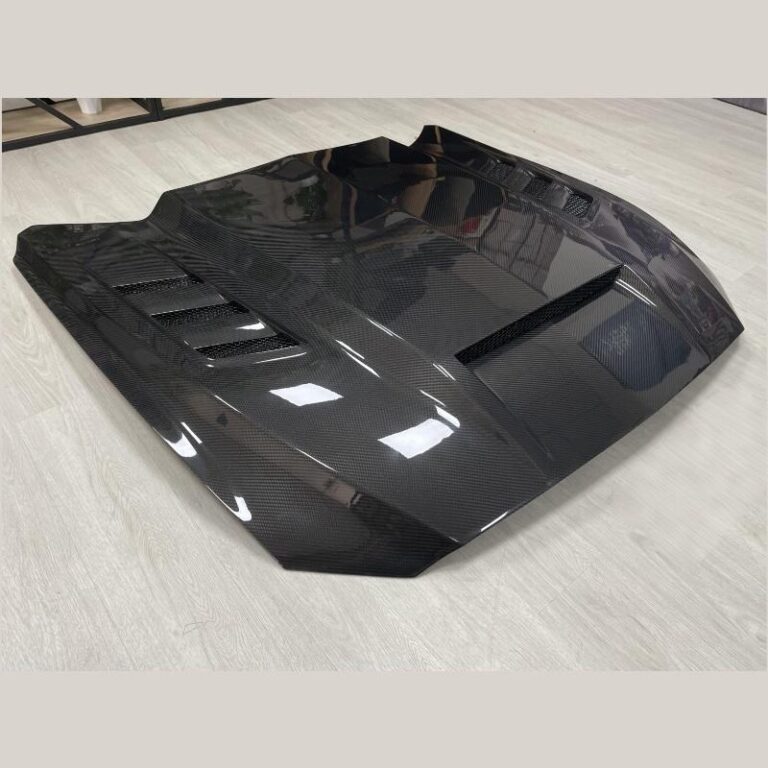
Talk to Our Engineer, Get a Solution in 20 minutes
Our engineers are the expert in vacuum forming products, you can let them know any requirements and specific demands, then they work out the solution soonest and send back it for free.

If you walk into almost any vacuum forming shop and ask what material gets used the most, ABS will come up again and again. Not because it’s the strongest, the cheapest, or the most advanced plastic available — but because it behaves the way manufacturers need materials to behave in the real world.
Vacuum forming is not a perfectly controlled science experiment. Heat drifts. Tools age. Operators make judgment calls. Customers change their minds halfway through a project. ABS survives all of that. Its advantages are not theoretical — they reveal themselves over time, production run after production run.
This article explains why ABS continues to earn its place in vacuum forming, long after newer materials have entered the market.
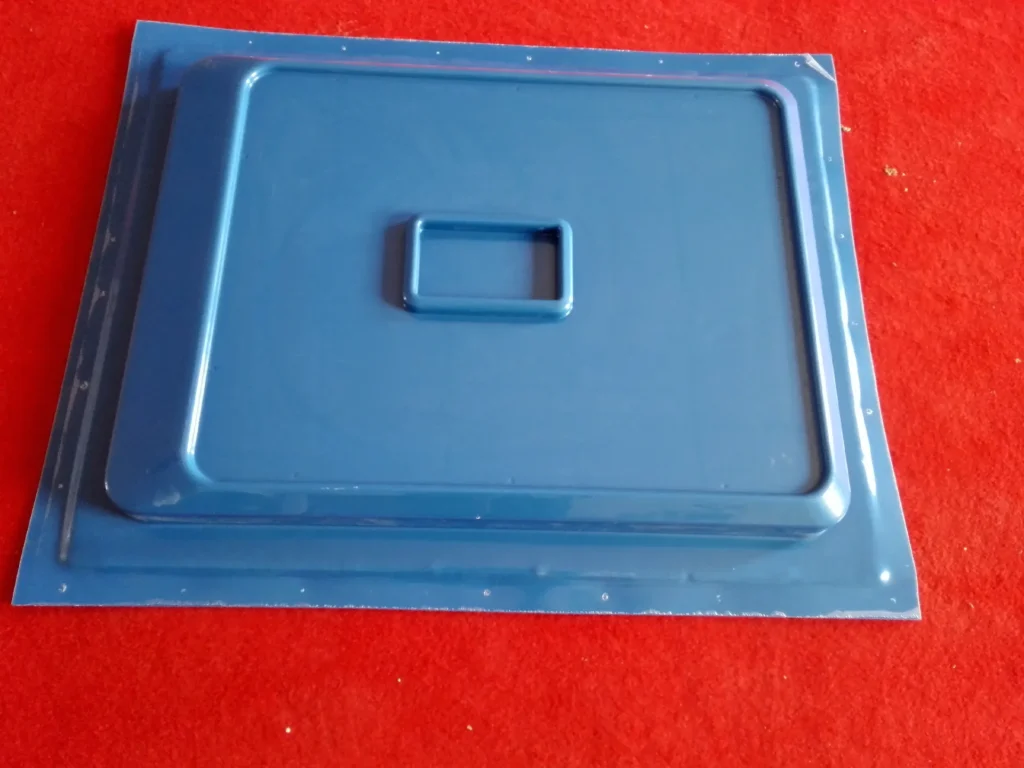
One of the first things experienced operators notice about ABS is how communicative it is during heating. As the sheet warms, it doesn’t suddenly collapse or stiffen unpredictably. Instead, it softens gradually and visibly, giving clear signals about when it’s ready to form — especially in professional ABS vacuum forming environments.
That matters because vacuum forming depends on timing and feel as much as numbers. ABS offers a wide and forgiving forming window, meaning small variations in heater output or ambient conditions don’t instantly turn into scrap.
For production environments, that forgiveness translates directly into:
ABS is often described as “impact-resistant,” but the real value shows up long before the product reaches the customer.
Vacuum-formed parts are handled, stacked, trimmed, transported, and assembled. Many failures happen quietly during those steps. ABS absorbs bumps, drops, and clamp pressure without cracking or chipping, especially around thin edges and corners — a key reason it’s widely used in customized plastic products.
This toughness reduces:
Over time, that resilience improves yield more than most people expect.
Vacuum-formed parts live in a difficult space: thin walls must stay rigid, yet flexible enough to survive stress.
ABS finds a balance that many plastics miss. It’s stiff enough to hold flat surfaces without warping, but it still has enough internal give to tolerate:
This makes ABS particularly effective for large housings, panels, and enclosures such as ABS thermoformed housings, where both appearance and durability matter.
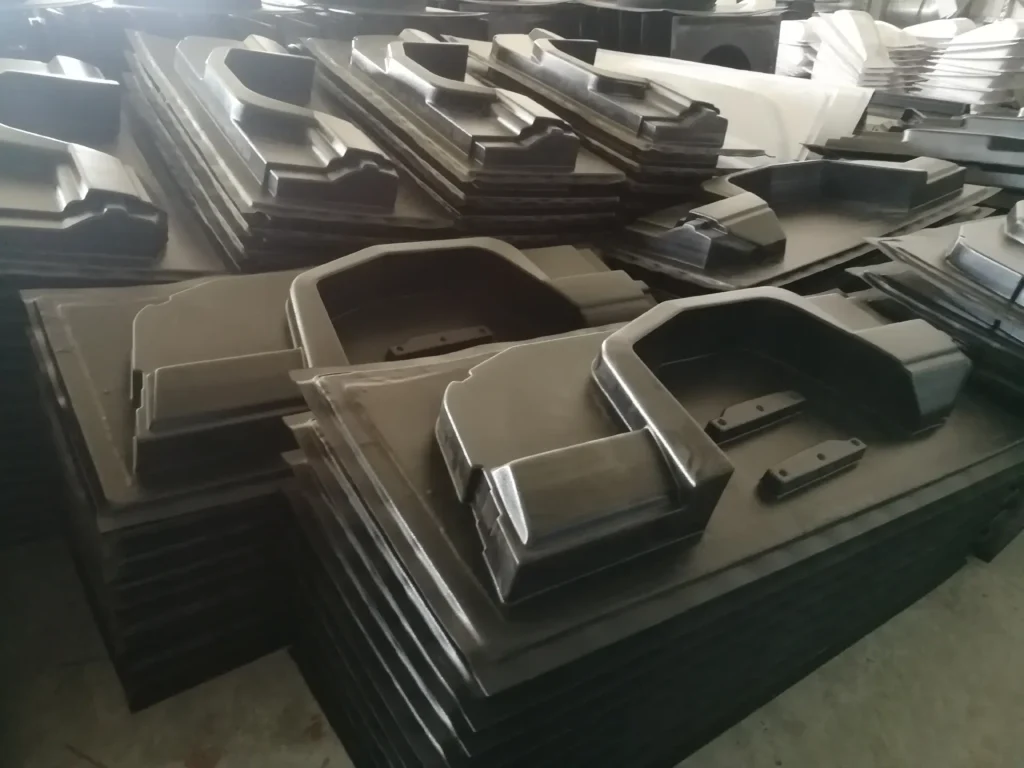
ABS flows evenly when formed. It doesn’t fight the tool or thin out aggressively in predictable areas. With proper heating and optional plug-assist, it reproduces:
The advantage here isn’t just cosmetic. Even material distribution means fewer weak spots and more consistent part performance.
Designers often find they can push detail further with ABS without escalating to more expensive forming methods, particularly compared with alternatives like PETG vacuum forming.
Forming the part is only half the job.
ABS behaves well during:
It doesn’t fuzz like polyethylene or crack like brittle plastics. Edges stay clean. Paint adhesion is predictable. Small adjustments don’t turn into rework disasters.
For manufacturers offering full vacuum forming services, this reduces labor time and lowers the risk of downstream surprises.
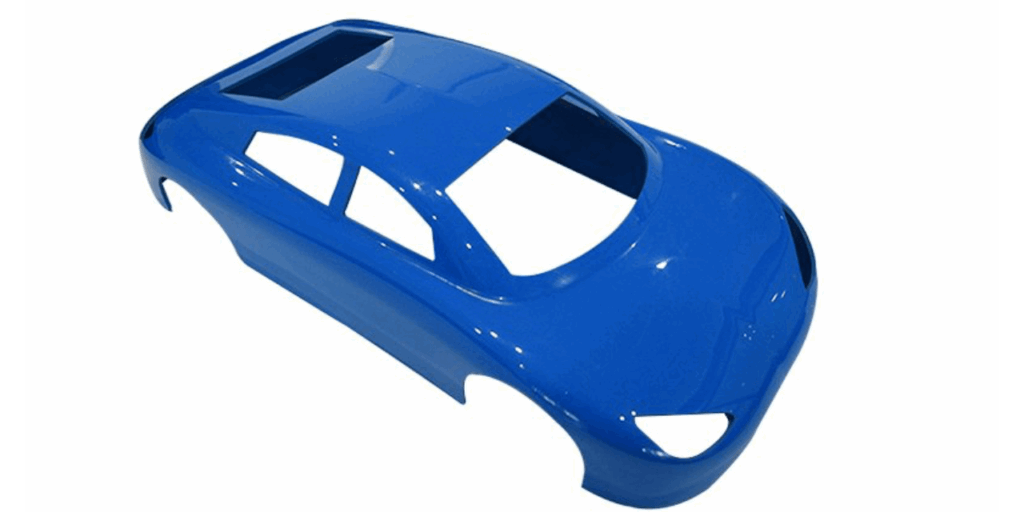
Vacuum forming projects rarely stay frozen. Wall thickness changes. Draft angles get adjusted. Fastener locations move.
ABS tolerates these iterations better than many alternatives. Designers can experiment without redesigning the entire tool or switching materials mid-project. This flexibility makes ABS especially valuable in:
It helps teams move forward instead of starting over.
On paper, ABS may not always look like the cheapest option. In practice, it often is.
Why? Because cost isn’t just material per square meter. It’s also:
ABS keeps those hidden costs under control. Over long production runs, that reliability usually outweighs small differences in raw material pricing.
ABS is not suitable for every application. It has known weaknesses:
But these limitations are well understood and easily managed with:
The key is predictability — ABS fails honestly, not unexpectedly.
ABS doesn’t win on hype. It wins on familiarity, consistency, and trust.
It forms well. It finishes cleanly. It survives handling. It supports design iteration. It behaves the same tomorrow as it did last year.
In vacuum forming, that kind of reliability is more valuable than novelty.
People sometimes say ABS is used “because it’s common.” In reality, it’s common because it keeps proving itself.
When the goal is stable production, predictable quality, and parts that look good and last, ABS delivers quietly and consistently. That’s why, even as new materials appear, ABS remains one of the smartest choices in the vacuum forming process.

TKP Plastic is China's leading provider of vacuum forming solutions. We are defined by our commitment to innovation, uncompromising quality, and total customer satisfaction. Our expertise enables us to deliver projects that excel in cost-effectiveness, intricate design, and sustainable manufacturing. Partner with TKP to bring your vision to life with precision and reliability.