Talk to Our Engineer, Get a Solution in 20 minutes
Our engineers are the expert in vacuum forming products, you can let them know any requirements and specific demands, then they work out the solution soonest and send back it for free.

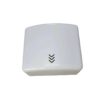
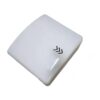
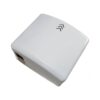
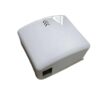
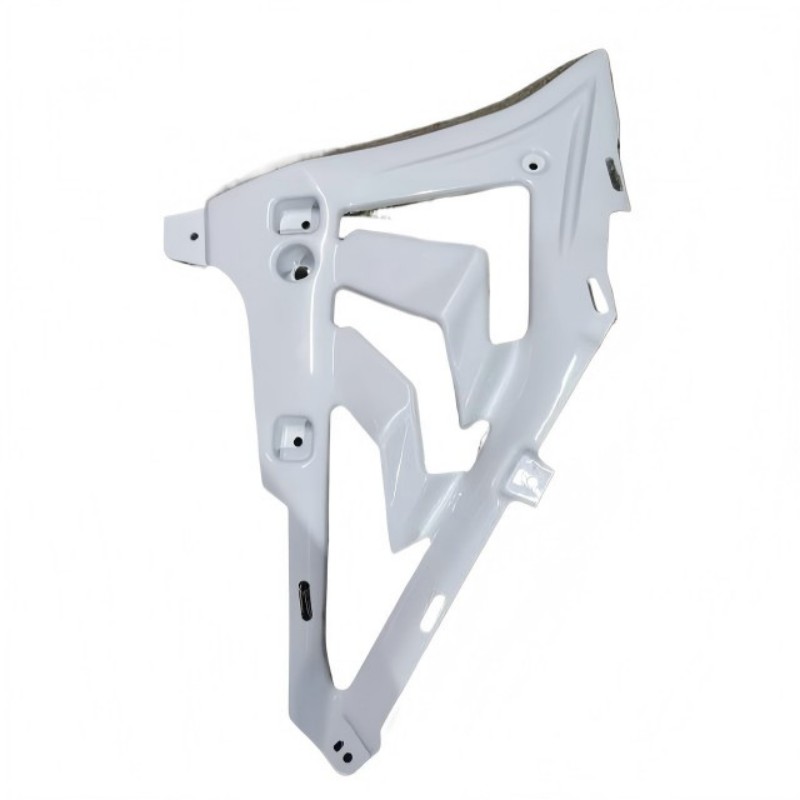
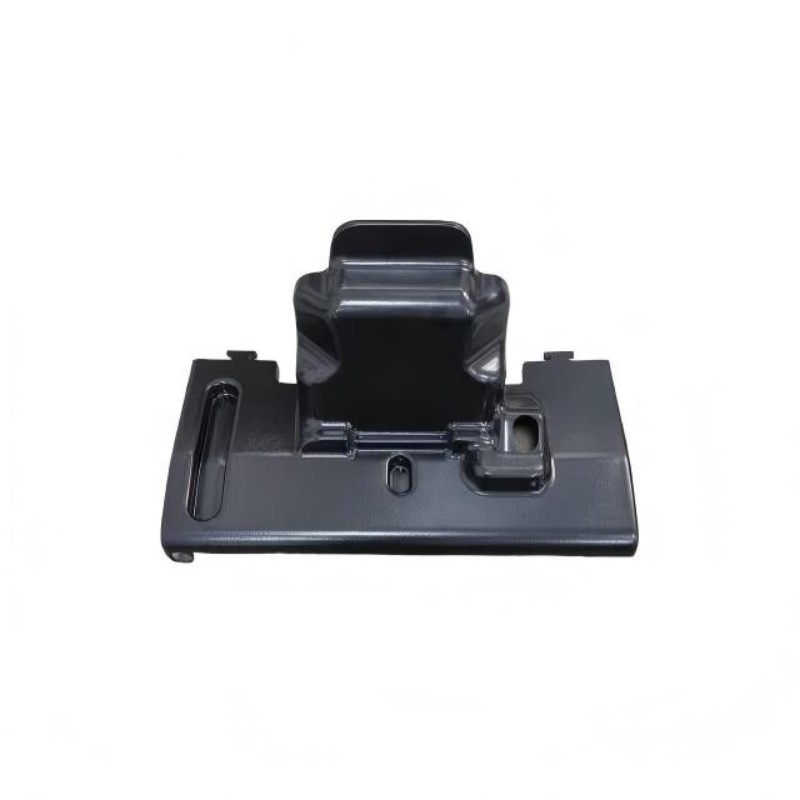
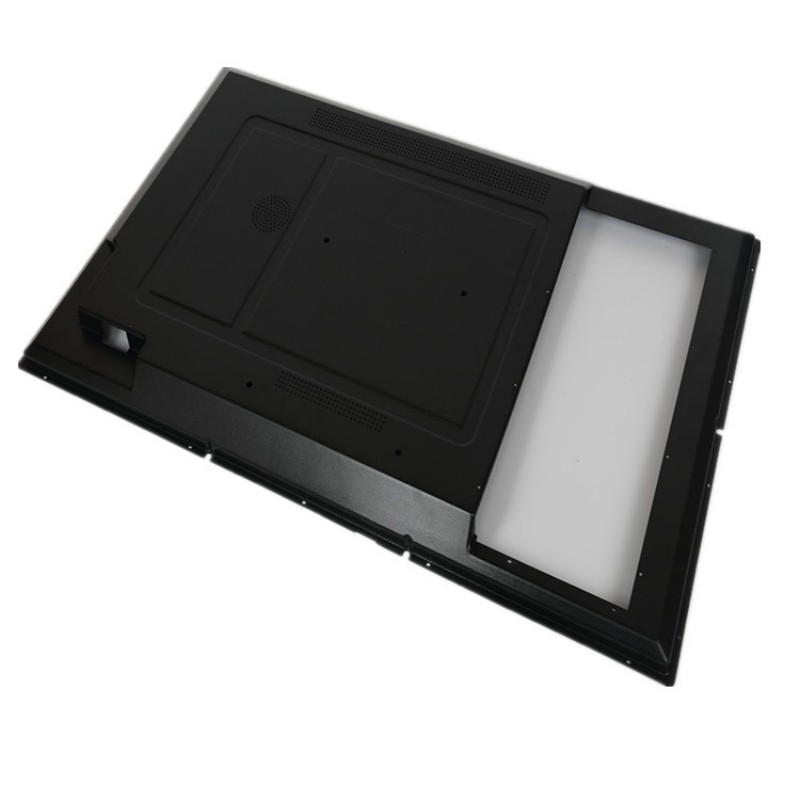
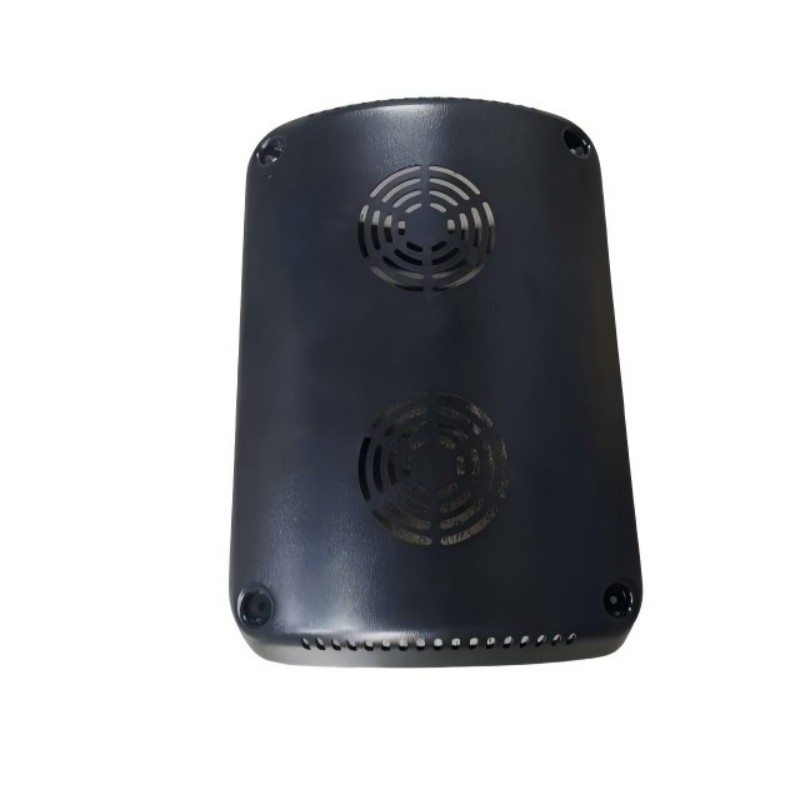
The ABS Thermoformed Housing is a sleek, durable, and reliable casing designed for various electronic devices. With its modern, compact design, it offers excellent protection against dust and impact. The high-quality ABS material ensures strength and long-lasting performance in demanding environments.
A Practical, Engineer-Minded Enclosure That Protects Electronics Where It Actually Matters.
A Compact, Purpose-Driven Shell Intended To Keep Electronics Working, Not To Win Awards.
This housing is straightforward: thermoformed from ABS to give a consistent, tidy shell that protects PCBs, power supplies, and control modules. It’s chosen when you want something light, relatively low-cost, and easy to make in small-to-medium runs. Think of it as the part that keeps the internals out of trouble — dust, casual knocks, cable abuse — while staying simple to assemble and service.
Tough Enough For Daily Handling, With Limits You Should Design Around.
ABS handles everyday abuse well: drops from pocket-to-bench, tool scuffs, and moderate vibration. Typical thick-gauge parts (2–6 mm) absorb shocks rather than shatter. But — and this is important — ABS is not UV-stable (it yellows outdoors unless you pick an ASA/UV-stabilized grade), and it’s not a substitute for proper sealing when water ingress is possible. For wet or outdoor use, plan a gasketed joint and choose materials or coatings accordingly.
Accurate Thermoforming, Thoughtful Cutouts, And Details That Reduce Assembly Headaches.
Thermoforming gives consistent wall profiles and smooth contours — useful when you need parts that snap-fit, line up with PCBs, or mate with brackets. Typical design notes engineers follow: keep draft angles (1.5–3°) for easy form and release, avoid deep, narrow undercuts, and locate bosses with enough material (boss OD > 2× boss thickness). Typical dimensional accuracy is roughly ±0.5–1.5 mm depending on geometry — tighter features often need post-trim CNC.
ABS Offers Good Electrical Insulation And Resistance To Common Shop Chemicals — With Practical Boundaries.
ABS is a good dielectric and resists many everyday cleaners and oils. It’s fine for housings near control electronics and low-voltage parts. It doesn’t stand up to concentrated solvents, strong acids, or prolonged UV exposure without additives. If your product needs flame rating, high-temperature stability, or chemical robustness, consider specifying a particular ABS grade or switching to PC/ABS, PC, or ASA depending on needs.
Tailored Cutouts, Bosses, And Finishes That Match How The Product Is Actually Used.
You can thermoform nearly any outer shape and then add practical details: formed bosses for PCB screws, trimmed slots for cable routing, vent patterns that favor airflow over dust intake, and recesses for gaskets. Secondary ops commonly used: CNC trimming, ultrasonic welding, heat staking, and inserting threaded brass or PEM nuts (M2–M4 are typical). Surface finishes (textured, matte, gloss) hide wear differently — matte for utility, gloss if you care about looks.
Honest Practical Notes From Typical Production Scenarios.
Thick ABS helps with impact, but it adds mass — balance protection vs weight.
Ribs and grid patterns add stiffness; place them where load paths expect contact (blind ribs waste material).
If you need IP protection, design a gasket groove that compresses 10–20% and use mechanical fasteners spaced to maintain uniform compression.
Early prototypes with the actual PCB and cables save weeks of late rework. Mock up assemblies before finalizing cutouts.
A Straightforward, Workable Enclosure Choice That Balances Protection, Cost, And Manufacturability.
In short: ABS thermoformed housings are a practical, no-frills way to protect electronics in many common applications. They’re easy to produce, simple to tweak, and economical for both small and larger runs — provided you pick the right ABS grade, plan for known limits (UV, chemicals), and design for assembly from the start. Boring? Maybe. Effective? Definitely.

TKP Plastic is China's leading provider of vacuum forming solutions. We are defined by our commitment to innovation, uncompromising quality, and total customer satisfaction. Our expertise enables us to deliver projects that excel in cost-effectiveness, intricate design, and sustainable manufacturing. Partner with TKP to bring your vision to life with precision and reliability.