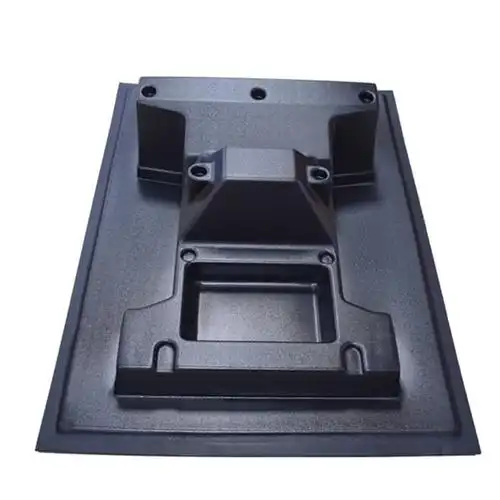
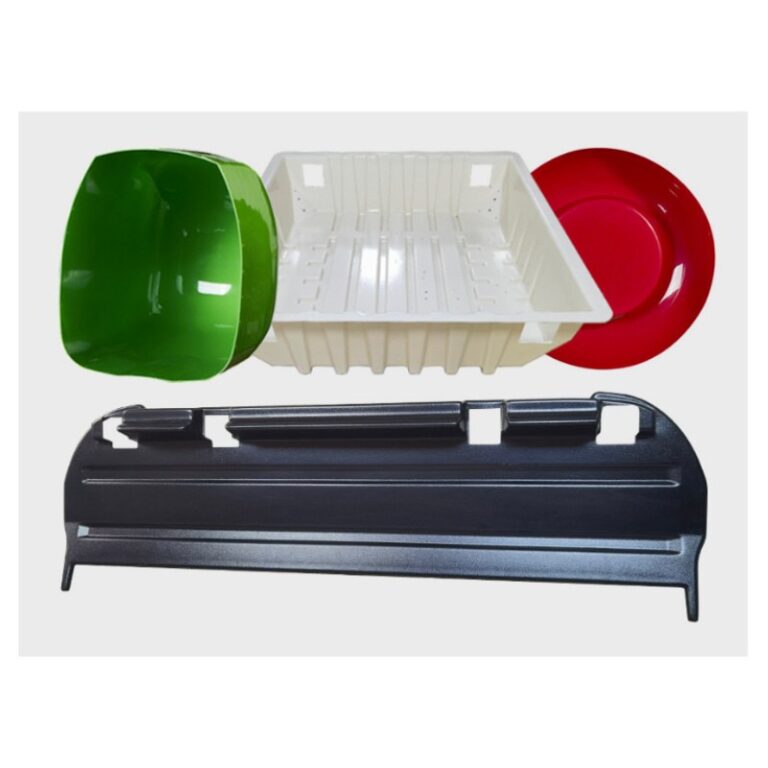
Can PP Be Vacuum Formed? Practical Tips, Limits
A Practical, Hands-On Guide To Forming Polypropylene That Treats The Reader Like A Real Person On The Shop Floor
Table of Contents
Introduction
A Friendly, Practical Welcome To Why This Matters
You’ve probably touched polypropylene (PP) today — lids, trays, or the plastic panel on that gadget. It’s cheap, light, and tough. The good news: PP can be vacuum formed. The tricky news: it behaves differently than ABS or PETG. This guide gives you not just the facts but shop-floor tactics, simple analogies, and a step-by-step starting recipe so your first run isn’t an expensive experiment.
Quick Answer
A Short, Honest Reply You Can Use Immediately
Yes — PP Can Be Vacuum Formed. It Requires Tighter Temperature Control, Faster Vacuum Pulls, And Thoughtful Tooling Because It’s Semi-Crystalline. With The Right Grade And Process, You Can Get Durable, Food-Safe, Chemical-Resistant Parts.
Why PP Is Worth Considering
Simple, Real Reasons To Use Polypropylene
PP Offers Chemical Resistance, Toughness, Low Weight, And Low Cost — Which Makes It Ideal For Food Contact Parts, Trays, Tanks, And Flexible Housings. If Your Design Needs Flex Or Fatigue Resistance, PP Is A Strong Candidate.
The Big Idea: Semi-Crystalline Behavior
Plain English About What “Semi-Crystalline” Actually Means
Think Of PP Like A Crowd In A Stadium: At Low Temperatures Everyone’s Seated (Rigid). Heat It Up And People Stand, Walk, Rearrange — The Crowd Becomes More Fluid (Formable). But As It Cools, The Crowd Quickly Re-Forms Rows (Crystallizes), Locking The Shape. That Fast Reordering Gives PP A Narrow Window To Shape Well — You Have To Move Fast And Be Precise.
Practical Shop Recipe
Concrete Settings To Try For Common Sheet Thicknesses
(Always Test — Every Oven, Grade, And Sheet Supplier Varies. These Are Starting Ranges.)
- Thin Sheet (~0.8 mm / 30 mil) — Short Forming, Small Features
- Oven/Heating: 135–155°C (275–310°F), 30–60 seconds (or until sheet becomes evenly saggy).
- Vacuum: High-Flow Vacuum, Draw Within 1–2 Seconds.
- Tips: Clamp Close, Watch For Tearing At Sharp Corners.
- Medium Sheet (~1.5 mm / 60 mil) — General Purpose
- Oven/Heating: 145–165°C (290–330°F), 60–150 seconds depending on oven.
- Vacuum: Fast Draw; Consider Pre-Stretching Or Light Free-Form Movement To Help Detail.
- Tips: Vent Deep Cavities; Consider Pressure Assist For Small Details.
- Thick Sheet (~3 mm / 118 mil) — Structural Parts
- Oven/Heating: 155–175°C (310–350°F), Longer Heating And Evenness Critical.
- Vacuum: High-Flow Vacuum + Consider Matched Mold Or Pressure Assist.
- Tips: Expect More Shrinkage And Longer Cooling; Use Heavier Tooling.
How To Read The Oven Like A Pro
Small Checks That Save Big Time
- Look For Even Sag — Not Hot Spots: The Sheet Should Soften Uniformly.
- Use A Thermocouple On The Sheet Edge To Calibrate Oven Time For Your Machine.
- If Edges Char Or Get Too Glossy, Reduce Heat Or Time — PP Doesn’t Tolerate Overheating.
Tooling, Venting, And Design Rules Of Thumb
Practical Design Choices That Reduce Scrap
- Use Smooth Radii, Generous Draft, And Avoid Hairline Slots Or Ultra-Deep Micro-Features Without Matched Molding.
- Add Vent Grooves Or Tiny Vent Holes In Deep Cavities — PP Hates Trapped Air.
- Add 1–2% Extra Draft And Compensate Tool Dimensions For Approx. 1–2% Shrinkage During Cooling.
Finishing, Joining, And Secondary Work
How To Make The Part Ready For Use
- Trimming: CNC Or Die Trim Works — Hold The Part Firmly To Avoid Distortion.
- Joining: Mechanical Fasteners Or Plastic Welding Work Best. Adhesives Are Tough Because PP Has Low Surface Energy — Consider Surface Treatment Or Specialized Adhesives.
- Annealing: For Critical Dimensions, A Short Controlled Anneal Can Reduce Warpage.
Troubleshooting: Symptoms, Likely Cause, And Fix
Rapid Diagnostics You Can Try Right Now
- Symptom: Bridged Details / Missing Fine Features
- Likely Cause: Sheet Recrystallized Before Contact / Slow Vacuum / No Pressure Assist
- Fix: Increase Forming Temp Slightly, Speed Up Vacuum, Improve Venting, Or Use Pressure Assist
- Symptom: Excessive Sag / Thin Walls
- Likely Cause: Overheating Or Too Long In Oven
- Fix: Reduce Heating Time/Power, Use Thicker Sheet, Move Clamp Closer
- Symptom: Warpage After Cooling
- Likely Cause: Uneven Cooling Or Differential Wall Thickness
- Fix: Anneal If Practical, Redesign To Even Out Wall Thickness, Slow Controlled Cooling
- Symptom: Tears At Sharp Corners
- Likely Cause: Localized Overstretching
- Fix: Add Fillets, Increase Material In That Section, Reduce Clamp Spacing
Alternatives To Consider
When PP Isn’t The Best Choice
If You Need The Crispest Micro-Features, Low Shrinkage, Or A Wide Forming Window, Consider ABS, HIPS, Or PETG. Choose PP When Chemical Resistance, Flexibility, And Low Cost Matter Most.
FAQ
Practical Answers To The Questions People Actually Ask
- Is PP Easy To Vacuum Form?
It’s Doable — And Worth It — But It Needs More Precise Control Than Many Amorphous Plastics. - What Temperature Should I Start With?
Use The Ranges Above As A Starting Point (Approx. 135–175°C) And Calibrate For Your Oven And Grade. - Which PP Grade Should I Use?
Copolymers Form More Readily And Are Tougher At Low Temperatures; Homopolymers Are Stiffer And Cheaper. - How Do I Prevent Air Pockets?
Improve Venting, Use High-Flow Vacuum, And Pull The Sheet Quickly Before It Recrystallizes. - Can PP Be Food-Safe?
Yes — Many PP Grades Are Food-Safe. Verify The Supplier’s Certifications For Your Application.
Conclusion
A Practical, Human Wrap-Up You Can Act On Today
Polypropylene Is Worth The Extra Attention. It Gives You Durable, Chemical-Resistant Parts If You Respect Its Fast Crystallization And Tight Forming Window. Start With The Recipes Above, Add A Few Venting Grooves, And Treat The First Run Like A Learning Experiment — Not A Final Part.

Comments
TKP Plastic is China's leading provider of vacuum forming solutions. We are defined by our commitment to innovation, uncompromising quality, and total customer satisfaction. Our expertise enables us to deliver projects that excel in cost-effectiveness, intricate design, and sustainable manufacturing. Partner with TKP to bring your vision to life with precision and reliability.