Talk to Our Engineer, Get a Solution in 20 minutes
Our engineers are the expert in vacuum forming products, you can let them know any requirements and specific demands, then they work out the solution soonest and send back it for free.

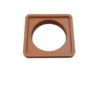
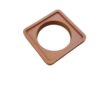
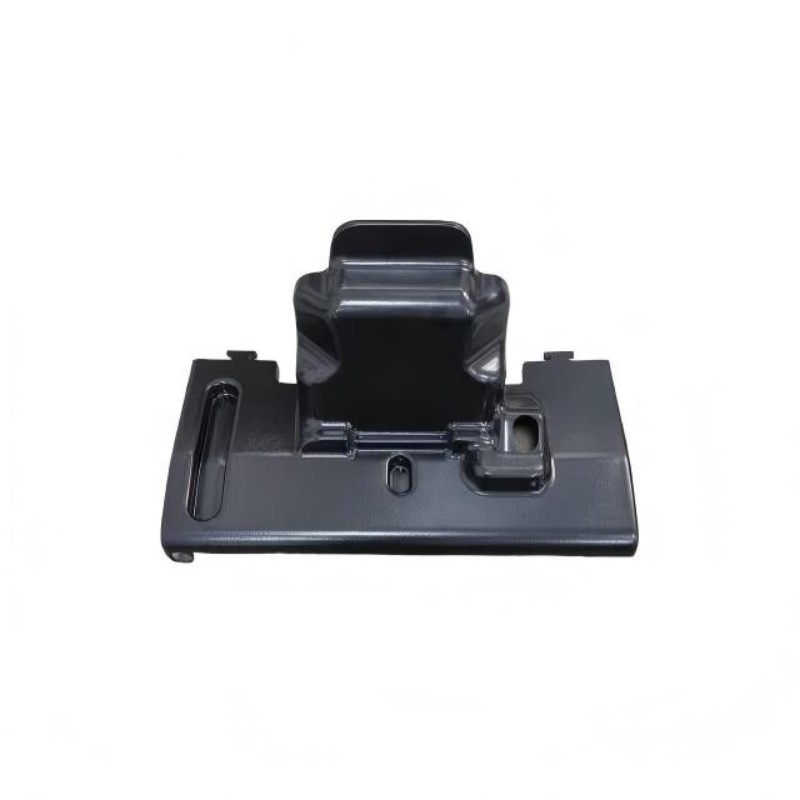
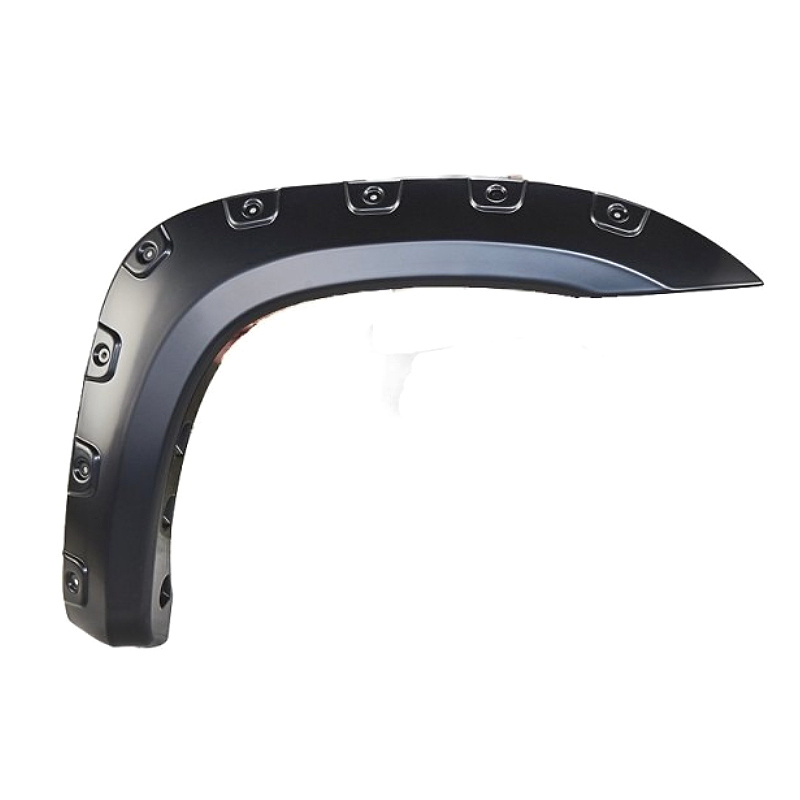
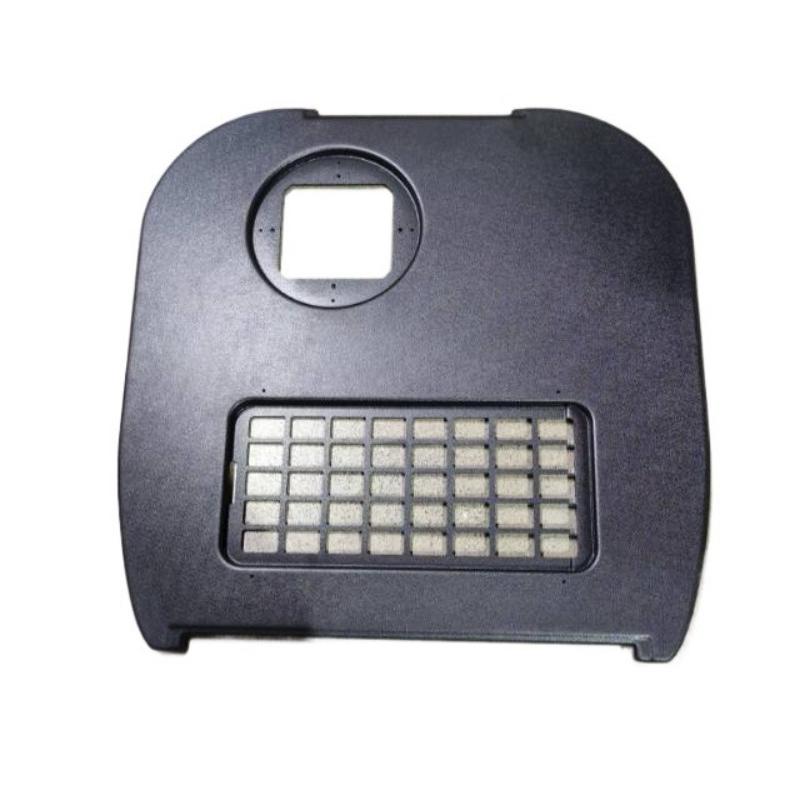
This ABS composite artificial leather vacuum forming offers a durable, stylish solution for a wide range of applications. Ideal for automotive, interior design, and packaging, it combines advanced technology and premium material for a long-lasting and high-quality finish.
A Durable, Leather-Like Material That Balances Practicality And Elegance.
A Practical, Premium-Looking Material For Real-World Products.
Think of this material as a shortcut to a leather look that behaves like engineered plastic. It gives a product that warm, finished appearance—without the cost swings, inconsistent grain, or special handling leather demands. That’s why it turns up in cars, furniture trim, electronics covers and retail displays.
Looks And Tactility That Read As Premium—Quickly.
Run your hand over a molded ABS composite panel and you’ll notice the fine grain, the slight give of the surface, and how it hides small fingerprints. Those tactile cues matter: users perceive value from texture and finish. Done well, it reads like upholstery; done poorly, it reads like plastic.
Vacuum Forming Shapes The Surface While The Composite Provides Strength.
Sheets of an ABS-based composite are warmed until pliable, draped over a mold and pulled tight with vacuum. The mold pattern creates the grain and contours, while the composite gives the part impact resistance and shape memory. After forming you’ll trim, finish the edges, and apply any topcoats or adhesives needed for assembly.
A Real-World Mix Of Durability, Cost Control And Appearance.
It stands up to knocks, spills and day-to-day abrasion better than many textiles.
It keeps weight down, which helps assembly and shipping.
It’s repeatable: the same mold and run produce consistent parts, which is huge for quality control.
It’s cheaper and faster at scale than stitched leather assemblies.
Mini Case Studies Drawn From Typical Uses.
A car door insert: contoured, pebble-grain surface, clipped into a foam-backed frame to combine comfort with crash and wear requirements.
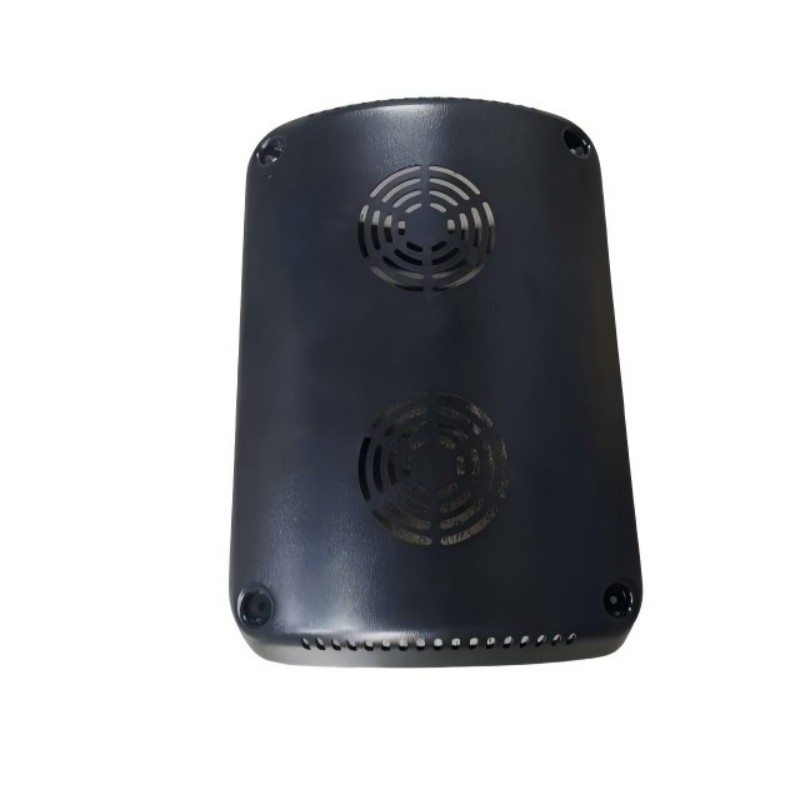
A wireless speaker shell: thin-walled, grain-patterned surface that hides fingerprints and glues cleanly to internal brackets.
Retail product tray: molded to hold items snugly and resist scuffs from repeated handling.
Small Choices Save Big Headaches On The Line.
Avoid extreme thin sections or super-deep draws; they can wash out the grain or cause thin spots.
Use modest draft angles and generous radii to ease demolding and reduce stress points.
Integrate attachment features into the mold (bosses, ribs) rather than relying on post-process fasteners.
Pick finish levels with the real end-use in mind — matte hides wear, satin shows texture.
Not A Perfect Leather Substitute—But Deliberately Better For Certain Uses.
It won’t develop the same natural patina or breathability as animal hide, and very sharp punctures or aggressive solvents will damage the finish. Recycling is possible for many ABS blends, but additives or laminates may complicate end-of-life handling—check the supplier’s datasheet.
Quick, Concrete Checks That Cut Returns And Rework.
Surface grain and color consistent across samples.
No thin or blown-out sections in deep draws.
Clean, even trim lines with no ragged flash.
Attachment points fit the mating parts without forcing.
Topcoat adhesion and solvent resistance tested if the part will see cleaners or oils.
Simple Questions That Reveal Real Environmental Impact.
Ask for recycled content levels, VOC data for finishes, and whether the composite is separable from glued layers. Designing for disassembly pays off if you want parts reclaimed later.
Fast Answers To The Things Buyers Ask First.
Q: Will It Clean Like Leather?
A: Most finishes wipe clean—avoid abrasive cleaners and strong solvents unless specified.
Q: Can You Emboss Different Leather Looks?
A: Yes. Mold texturing lets you mimic pebble, smooth, or suede-like surfaces convincingly.
Q: Is It Repairable If Scratched?
A: Light scuffs can often be buffed or touched up; deep cuts usually need part replacement.

TKP Plastic is China's leading provider of vacuum forming solutions. We are defined by our commitment to innovation, uncompromising quality, and total customer satisfaction. Our expertise enables us to deliver projects that excel in cost-effectiveness, intricate design, and sustainable manufacturing. Partner with TKP to bring your vision to life with precision and reliability.