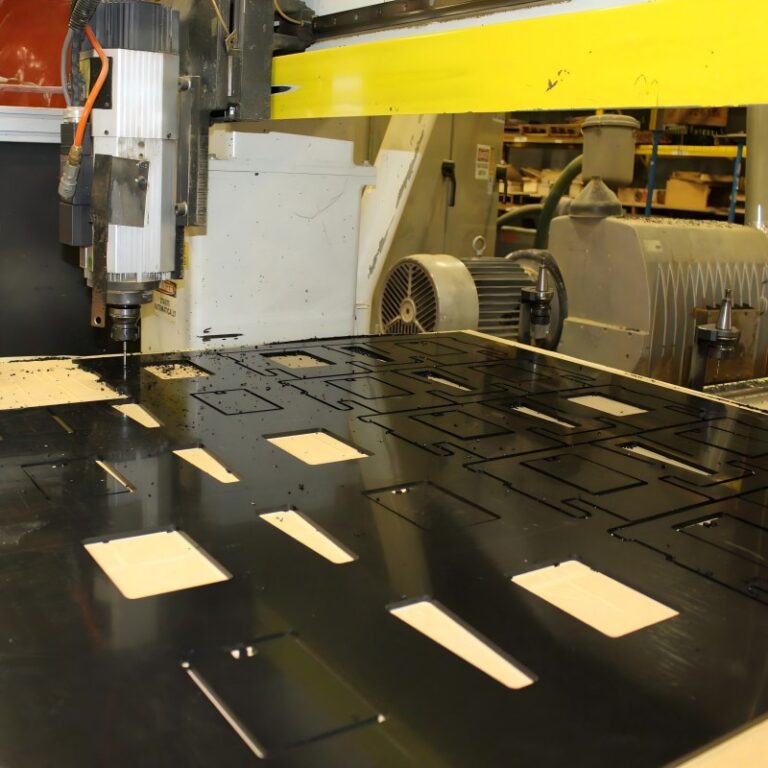
Talk to Our Engineer, Get a Solution in 20 minutes

Our engineers are the expert in vacuum forming products, you can let them know any requirements and specific demands, then they work out the solution soonest and send back it for free.

Product Inquiry

Advanced Custom Vacuum Forming Solutions for Packaging

Vacuum forming remains one of the most cost-effective, fast, and flexible ways to turn thermoplastic sheets into protective, attractive packaging. This guide goes deeper than a product brochure — you’ll get practical design rules, material selection tradeoffs, manufacturing strategies, regulatory checkpoints (especially for medical and food use), and concrete ways to squeeze cost, time, and carbon out of your packaging program. For comparison, we’ve studied competitor approaches and intentionally add extra layers: lifecycle thinking, validation checklists, rapid-tooling options, and inline quality controls you’ll rarely see in standard pages.
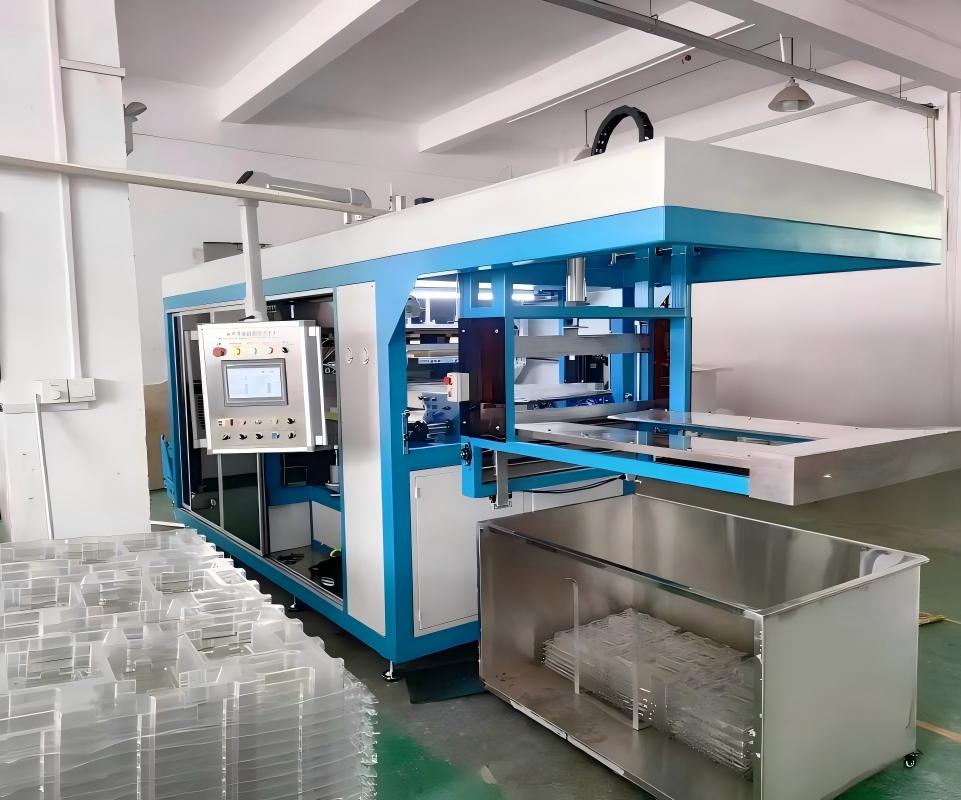

Advanced Custom Vacuum Forming Solutions for High-Performance Packaging

Understanding Custom Vacuum Forming Technology

Basic process mechanics

Vacuum forming heats a thermoplastic sheet until it’s pliable, then draws it over (or into) a mold while vacuum removes the air so the sheet conforms to the tool. It’s fast for low-to-medium volumes, excellent for larger parts, and especially economical when tooling cost must stay low. Commonly formed plastics include ABS, PETG, HIPS, PVC, polycarbonate, and HDPE; each has distinct forming temperatures, shrinkage, clarity and strength characteristics you must match to the product’s function.

Advanced forming techniques

Beyond simple vacuum forming there are techniques that expand capability:

  • Pressure forming (vacuum + positive air pressure) — improves definition, captures finer details and deeper draws, and produces parts closer to injection-molded fidelity. Use when you need thin-wall detail and sharper corners.
  • Twin-sheet forming — forms two sheets simultaneously and bonds them to create hollow parts (useful for rigid, structural trays and reusable packaging).
  • Plug assist & drape forming — plug assists control material distribution for deep draws and class-A surfaces.
  • Composite/inset integration — combine vacuum-formed shells with pre-inserted foam, paperboard, or stamped components for structural support or consumer unboxing experience.

Material selection considerations

Choose materials by balancing mechanical needs, appearance, regulatory compliance, and end-of-life plan:

  • Clarity/appearance: PETG, acrylic (PMMA), polycarbonate.
  • Toughness & impact: ABS, polycarbonate.
  • Food contact: choose food-grade resins and confirm migration limits and regulatory approvals for the target market (EU, US FDA, etc.).
  • Sterilizable/medical uses: certain polycarbonates and PETG can be suitable but must be validated to standards such as ISO 11607 for terminally sterilized devices.

Custom Vacuum Forming Design & Development Process

Initial consultation and requirements analysis

Start the project with a focused intake that captures:

  • functional needs (protection, tamper evidence, shock resistance)
  • volumetric constraints (part stack, palletization targets)
  • environmental conditions (temperature, humidity, sterilization method)
  • regulatory destination (medical device class, food contact regions)
  • desired unit price and annual volumes

Capturing these early prevents late rework and mis-spec’d materials.

3D design and prototyping

Use rapid prototyping to validate fit and user interaction:

  • 3D printed master molds for early visual checks (fast, low cost).
  • Soft tooling (aluminum-plated MDF or urethane) to create first production-like batches.
  • Digital twin / DFM checks — simulate material thinning, draw ratios, and likely springback to avoid trapped features and thin walls.

Prototype for “ease of use” in medical sterile presentation (aseptic handling), and iterate the tray geometry for pick-and-place automation where relevant.

Mold development strategy

Adopt a staged tooling approach:

  1. Proof-of-concept tools — low-cost, quick turnaround (MDF, SLA masters) to validate ergonomics.
  2. Pre-production aluminum tools — for surface finish trials and medium runs.
  3. Hardened production tooling — when volumes justify the capital outlay.

Design molds for serviceability: replaceable inserts for pockets that change between SKUs; draft angles and radiused edges to extend tool life.


Custom Vacuum Forming Manufacturing Process

Production setup and quality control

Set up with these quality controls to avoid downstream rejects:

  • Incoming material verification: Certificates of conformity, thickness tolerance, melt flow when applicable.
  • In-process monitoring: oven temperature logs, sheet sag metrics, cycle time records.
  • Inline inspection: camera checks for surface defects, dimensional gauges for critical features, and where needed, 3D scanning to confirm form fidelity.
  • Functional tests: seal strength (for sterile/food packaging), drop tests, and environmental ageing. Seal and barrier test protocols are mandatory for medical sterile barrier systems.

Efficiency enhancement strategies

Reduce cost per unit without quality loss:

  • Nesting optimization: maximize usable area of sheets to cut material waste.
  • Cycle time tuning: balance heating energy and forming speed for minimal rework.
  • Standardized SKU families: design trays that can be quickly retooled with insert swaps to reduce changeover time.

Cost reduction methodologies

Real cost reductions focus on total cost of ownership:
  • Design for Forming: avoid undercuts, minimize deep draws, and keep wall-thickness uniform to reduce scrap.
  • Material choice by function: cheaper HIPS for opaque protective trays; reserve PETG for clarity where needed.
  • Economies of batch size: consider a modular tooling approach (replaceable inserts) to get the advantages of fewer full-tool runs.

Specialized Vacuum Forming Packaging Applications

Specialized Vacuum Forming Packaging Applications

Electronics and technology packaging

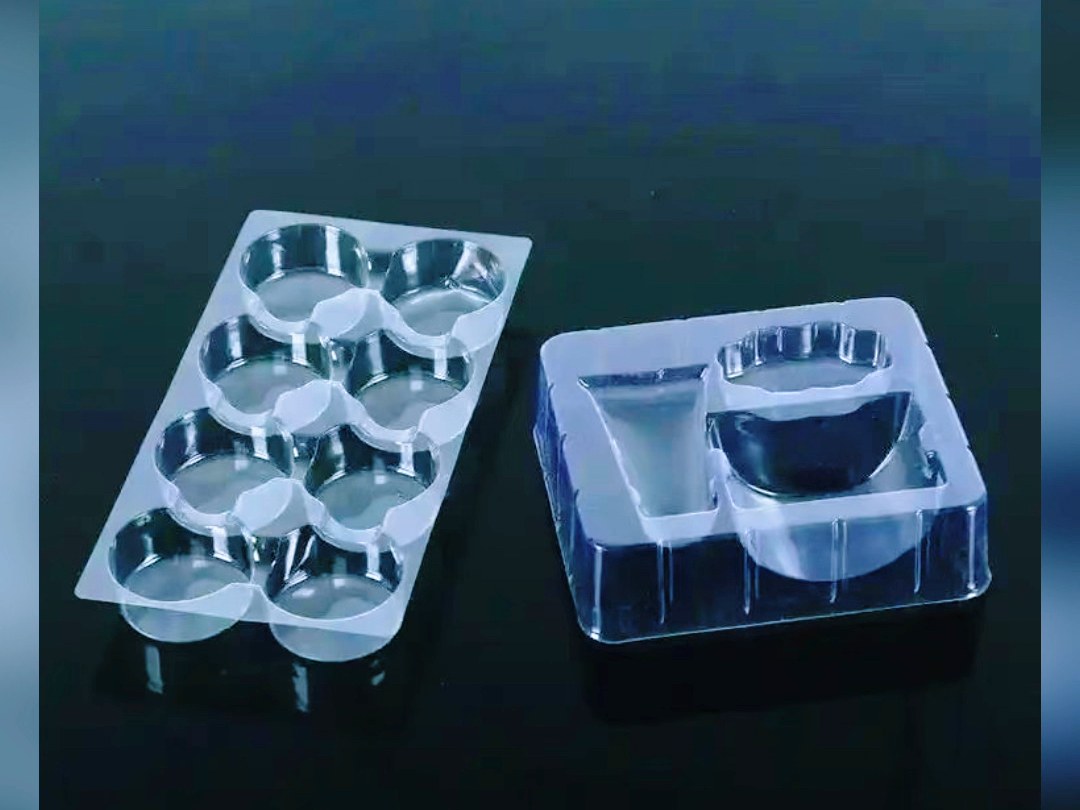
Vacuum-formed trays are ideal for electronics: they provide controlled spacing for sensitive parts, can integrate ESD-safe materials/coatings, and are easy to stack for automated lines. Design for thermal dissipation if components remain powered in transit.

Medical and pharmaceutical applications

Medical packaging is one of the highest-risk uses — you must design for aseptic presentation, validated sterile barrier integrity, and sterilization compatibility (EO, gamma, steam as relevant). Conform to ISO 11607 for design and validation of sterile barrier systems and perform ongoing seal/aging studies. Robust documentation and process validation are non-negotiable.

Food and beverage packaging

Focus on food-grade resin choices, barrier performance (oxygen/moisture), and HACCP principles. Consider laminated solutions or co-extruded sheets for improved barrier properties and label migration testing. Also design trays for consumer convenience (easy-open, resealable options if required).


Advanced & Custom Vacuum Forming Techniques

Composite material integration

Combine vacuum-formed shells with paperboard, corrugated inserts, foam, or molded pulp to create hybrid packaging that reduces plastic content while preserving protection — great for branded unboxing and sustainability targets.

Precision forming technologies

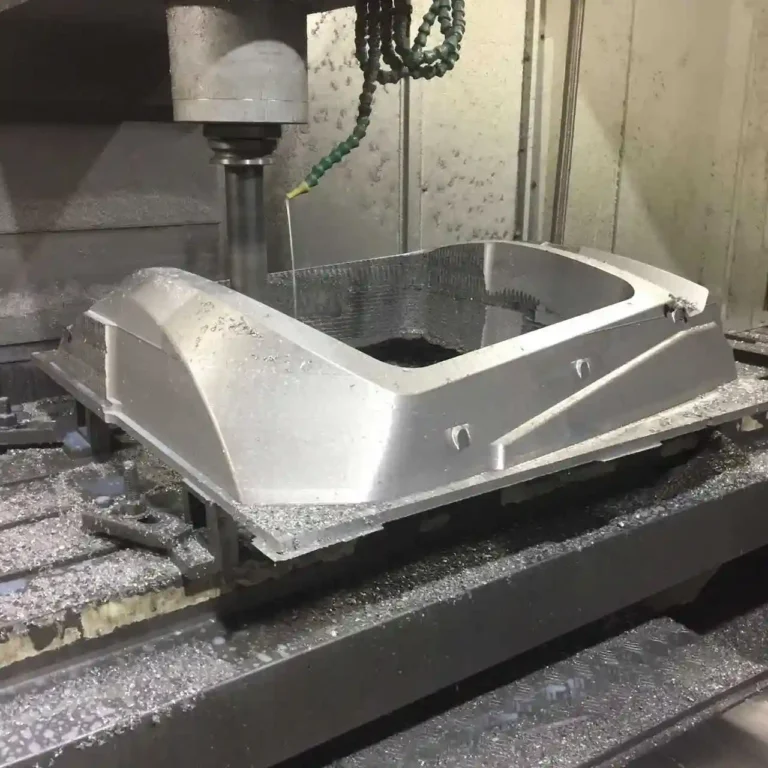
When cosmetic finish is critical, use pressure forming and plug assists to eliminate sink marks and obtain smoother, feature-rich surfaces that rival injection molding for appearance. For tight tolerances, consider post-forming CNC trimming and edge finishing.

Surface enhancement options

Add value through surface treatments:

  • Texture or matte finishes for premium look and scratch masking.
  • Varnish/laminate overlays for printed graphics and brand messaging.
  • Anti-fog or anti-static coatings for display packaging or electronics.
  • Antimicrobial additives for specific medical or high-touch use cases (evaluate regulatory implications).

Frequently Asked Questions

Q: What design limitations should be considered for vacuum forming?
A: Avoid deep, narrow undercuts, tiny islands, and areas that would trap air or material. Keep draw ratios within the material’s capability (rule of thumb: aim for draw ratios below about 1.5–2.0 for simple parts; use plug assist or pressure forming for higher draws). Always specify minimum wall thickness and radii early in design.

Q: How long does custom packaging development typically take?
A: Timeline depends on complexity and tooling strategy. A typical roadmap:

  • Concept & requirements: 1–2 weeks
  • Prototyping + iteration: 2–6 weeks (rapid 3D prototyping can speed this)
  • Low-volume tooling and validation: 3–8 weeks
  • Full production tooling & ramp: 6–12+ weeks
    Medical or regulated products add time for validation and testing. These are estimates — parallel work (design while tooling is fabricated) shortens calendar time.

Maximizing Your Packaging Investment

Practical, actionable checklist to get ROI faster:

  1. Start with requirements, not a look: define protection, environment, and regulatory needs first.
  2. Prototype aggressively: catch ergonomic and fit issues before committing to production tooling.
  3. Design for disassembly & recycling: choose single-polymer constructions where possible to simplify recycling.
  4. Use staged tooling: validate at low cost and scale up only when volumes justify it.
  5. Document validation early: for medical and food packaging, build testing and records into the schedule (ISO 11607 and seal testing).

Final thoughts

Custom vacuum forming can deliver elegant, cost-effective packaging when engineering, material science, and manufacturing strategy are aligned. The differential between a commodity tray and a packaging system that protects, sells, and reduces waste lies in early decisions: material selection, validation planning, and a staged tooling approach that lets you iterate cheaply and scale confidently.

Comments

Blog Comments
Share your love
logo

Company

About Us
Products
Materials
Industries
Services
Contact Us
Blog

Products

ABS Vacuum Forming
Acrylic Vacuum Forming
HDPE Vacuum Forming
PETG Vacuum Forming
PC Vacuum Forming
PP Vacuum Forming
HIPS Vacuum Forming
PVC Vacuum Forming