Talk to Our Engineer, Get a Solution in 20 minutes
Our engineers are the expert in vacuum forming products, you can let them know any requirements and specific demands, then they work out the solution soonest and send back it for free.

Short Description: A Friendly, Practical Look At The Everyday Items Made With Vacuum Forming — What It Is, Why It Works, And How To Design For Production
Opening Note
Short Description: Why This Guide Is Different — Clear Rules, Real Tradeoffs, And Actionable Steps
This isn’t a catalog or a dry how-to. It’s a short, honest briefing: what vacuum forming actually does well, where it trips people up, and the practical decisions that change a concept into a part that ships on time and looks good on the shelf.
Short Description: The Familiar Items Around Your Home And Office That Often Start As Vacuum-Formed Parts
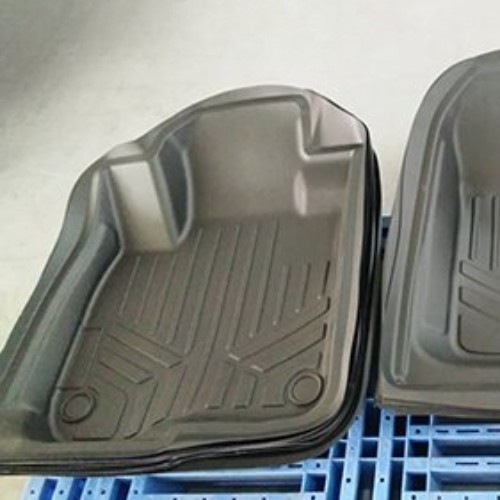
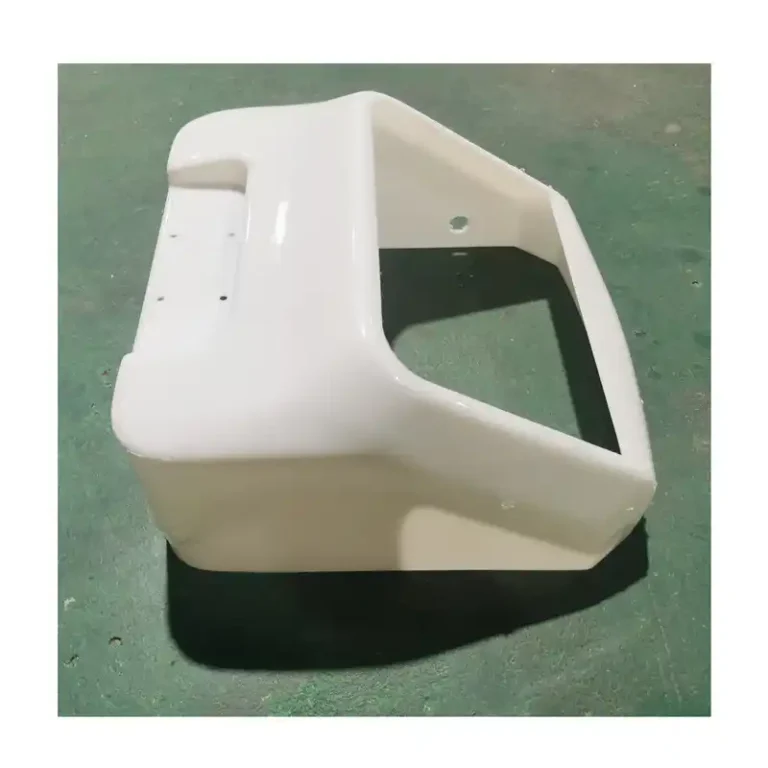
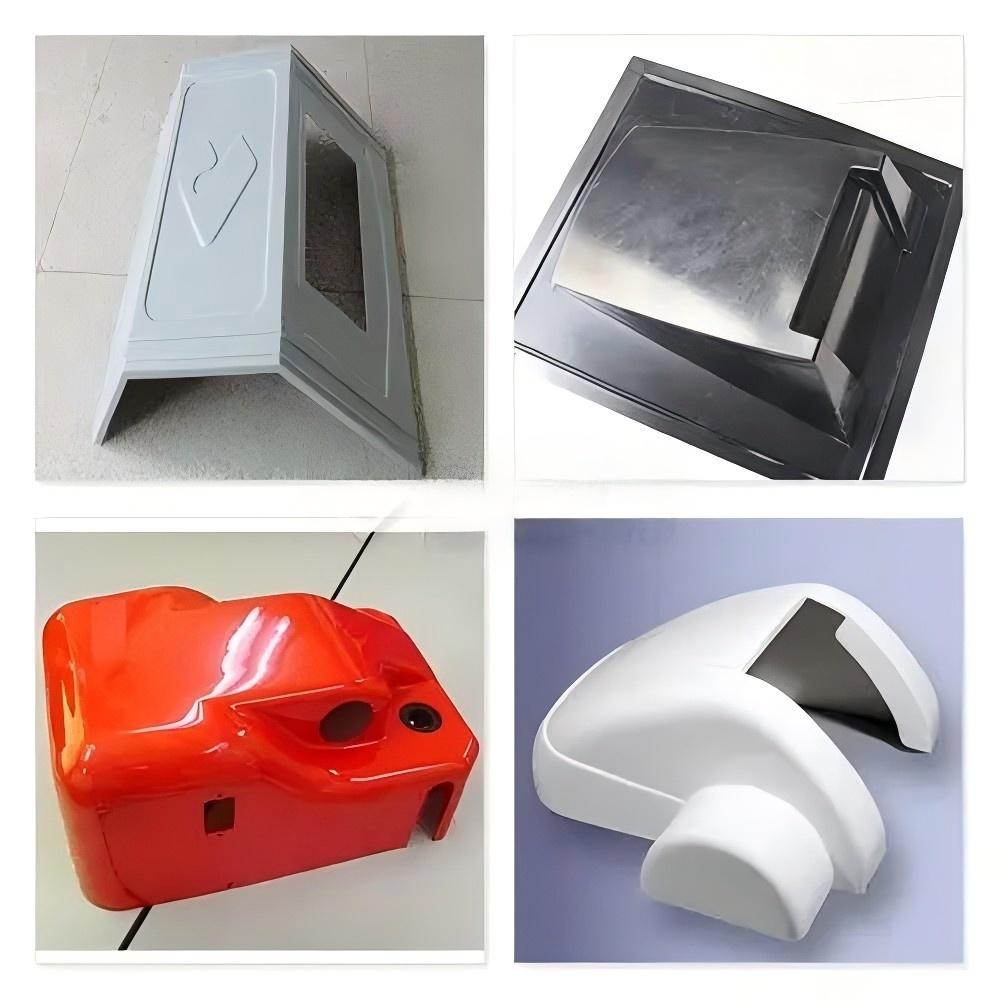
You use vacuum-formed parts every day without thinking about them. Refrigerator shelves, blister packs, retail display trays, appliance liners, instrument trays, and many interior panels on specialty vehicles — those broad, shallow pieces are the sweet spot. If the part is wide, not too deep, and needs a clean surface or a clear wall, vacuum forming is usually in the running.
Short Description: A Practical, Step-By-Step Explanation That Engineers And Buyers Both Appreciate
Heat a plastic sheet until it’s soft, pull it over a shaped plug (a positive mold), and suck the air out so the sheet hugs the form. Cool it, trim it, and you’ve got a part. Tooling tends to be quick and affordable — often wood, MDF, or 3D-printed masters for prototypes and machined aluminum for pilots — which is why teams pick vacuum forming when speed and lower upfront cost matter.
Short Description: The Real-World Strengths And Tradeoffs You’ll See In Production
Pros
Short Description: Fast, Cost-Effective For Big, Simple Shapes
Cons
Short Description: What To Watch Out For If You Need Precision Or Fine Detail
Short Description: Where Size, Speed, And Cost Make Vacuum Forming The Best Tool
Short Description: A Concrete Choice That Shows Cost, Time, And Material Tradeoffs
Problem: A clear refrigerator shelf that needs to carry 20 kg distributed, look good, and be produced at 10,000 units/year.
Result: Vacuum forming with PETG plus a machined pilot tool and a small CNC pocket for an insert gives acceptable strength, attractive clarity, and total first-run cost ~40% of injection molding’s NRE — and prototypes arrive in weeks, not months.
Takeaway: When geometry is friendly and you plan secondaries (inserts, trim) up front, vacuum forming often beats more expensive options in time and total cost.
Short Description: Simple, High-Impact Decisions That Prevent Costly First-Run Problems
Short Description: Practical Remedies Teams Use To Recover Parts Quickly
Short Description: Small Design Choices That Cut Waste And Cost
Short Description: Engineers Who Think In Whole-Part Solutions — Materials, Tooling, And Finishing
Vendors who understand material behavior, mold strategy, and reasonable secondary workflows stop you from paying to “learn” on the first production run. The right partner recommends tooling that matches volume, proposes targeted secondaries (inserts, heat-trimming), and gives realistic lead times and costs.
Short Description: The Few Things Vendors Need To Give A Real Answer Quickly
Short Description: The Bottom Line — Use Vacuum Forming Where The Physics Works, And Plan For The Rest
Vacuum forming wins when parts are large, shallow, and need a good surface without huge upfront tooling costs. It loses when you demand tiny details or industrial-level dimensional tolerances. The difference between a frustrating first run and a smooth production batch is DFM (design for manufacture) and realistic planning for secondary work.
Short Description: Quick Answers To The Questions We Hear Most Often
Q: When Should I Choose Vacuum Forming Over Injection Molding?
A: When volumes are low-to-medium, geometry is broad, and you want rapid prototyping or lower upfront tooling.
Q: How Much Thinning Should I Expect?
A: Budget for roughly 20–40% local thinning in tight radii — exact numbers depend on material and draw depth.
Q: Can Vacuum-Formed Parts Look Premium?
A: Yes — polished molds, careful forming, and planned post-processing (paint, lacquer, textured molds) get great finishes.
Q: How Long Does Tooling Take?
A: Prototype masters (3D-printed or MDF): days to a couple of weeks. Machined aluminum pilot tools: a few weeks. Hardened production tooling: longer depending on complexity.

TKP Plastic is China's leading provider of vacuum forming solutions. We are defined by our commitment to innovation, uncompromising quality, and total customer satisfaction. Our expertise enables us to deliver projects that excel in cost-effectiveness, intricate design, and sustainable manufacturing. Partner with TKP to bring your vision to life with precision and reliability.