Talk to Our Engineer, Get a Solution in 20 minutes
Our engineers are the expert in vacuum forming products, you can let them know any requirements and specific demands, then they work out the solution soonest and send back it for free.

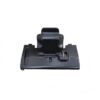
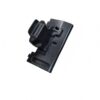
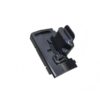
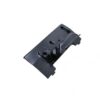
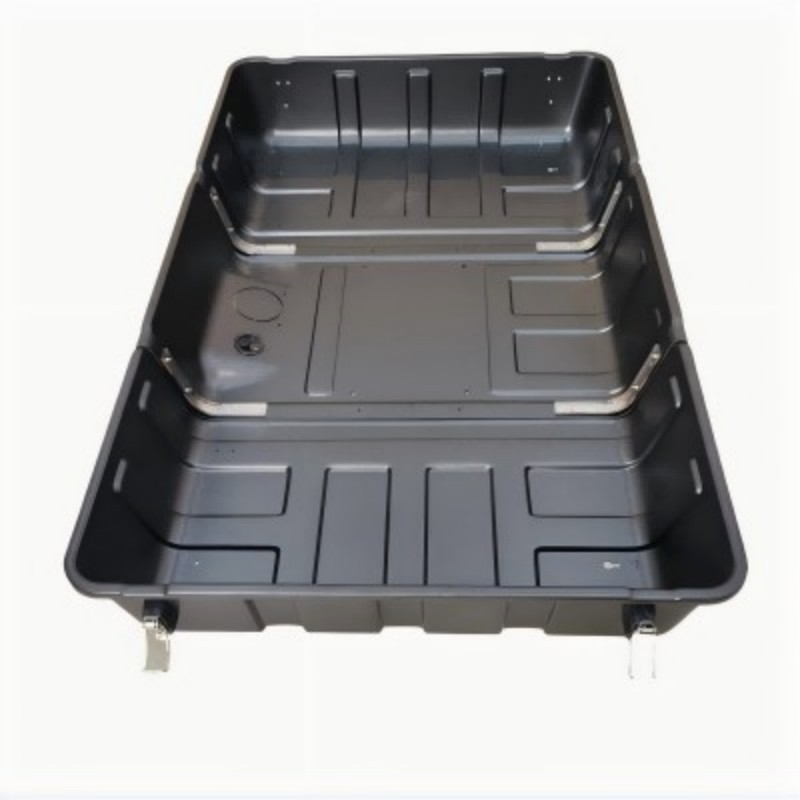
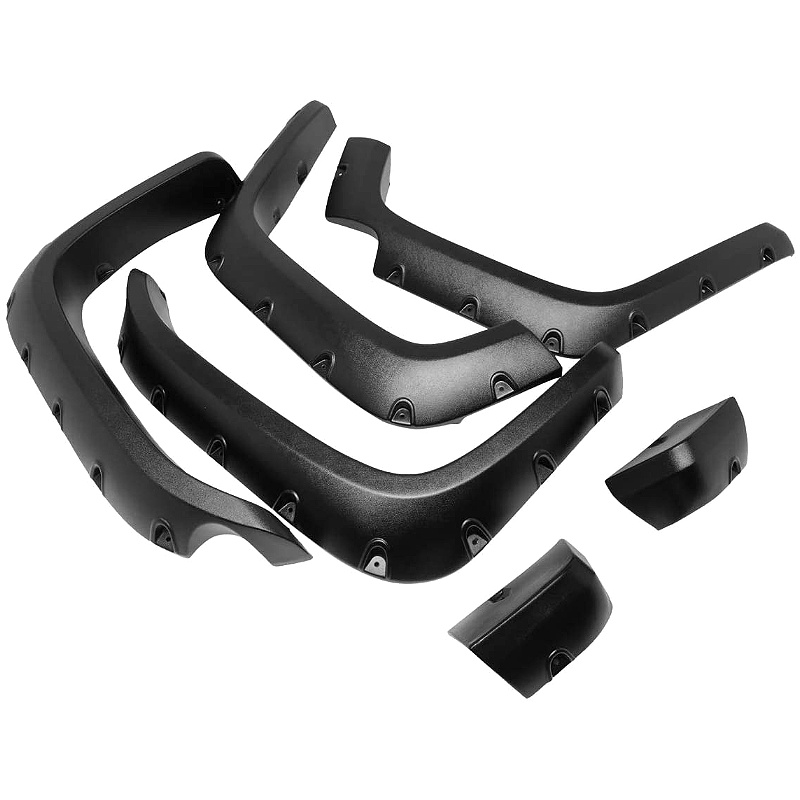
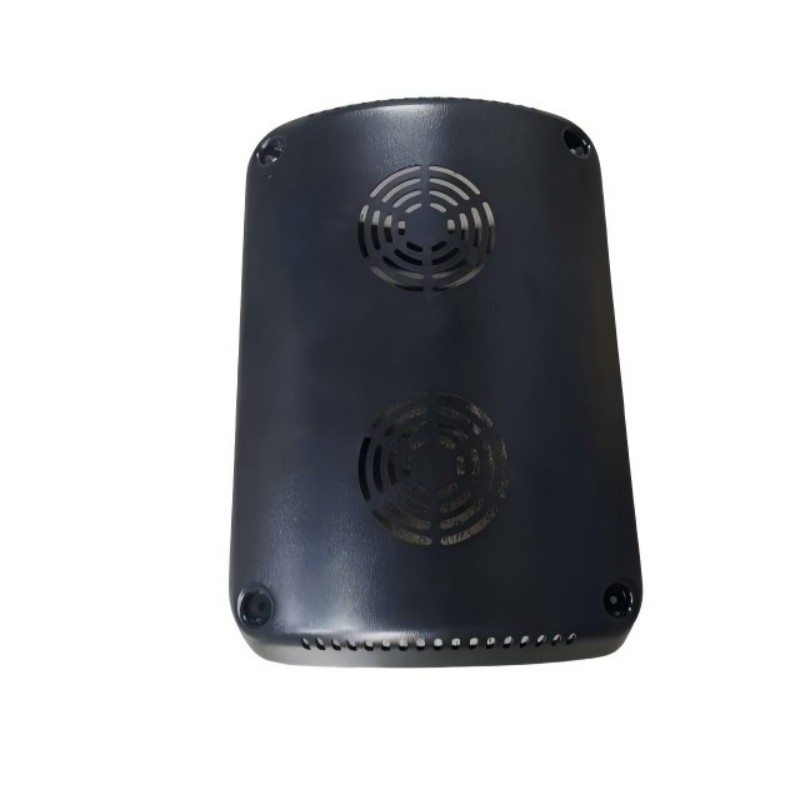
Forklift modification parts vacuum forming provides durable and custom-fit components for enhanced forklift performance. Made with high-quality materials, these parts offer strength, precision, and reliability for a variety of industrial applications.
Practical, Purpose-Built Parts That Make Forklifts Safer And Easier To Use.
Made-To-Fit Plastic Parts That Solve Real Shop-Floor Problems.
Think of vacuum-formed forklift parts as the “quick custom” option: you get panels, guards and trays that look finished, fit well and don’t require heavy metalwork. They’re lighter than steel, tougher than fabric, and can be produced fast enough to keep a fleet moving.
Heat, Vacuum, Trim — Fast, Predictable Production.
A sheet of engineered plastic is warmed until it’s flexible, pulled over a mold with vacuum, cooled, then trimmed and finished. The mold defines grain, bosses and mounting points, so once the mold is right, every piece from that run behaves the same way.
Better Ergonomics, Lower Downtime, And Easier Service.
These parts remove sharp edges, cover fragile components, and make controls easier to reach. That means fewer finger injuries, faster clean-ups, and less time stuck in the shop waiting for a custom metal job. In short: operators are happier and trucks spend more time on the floor.
Choose Grades For Impact, Chemical Resistance Or Cold Weather.
ABS gives a great surface finish and toughness; polypropylene handles oils and flexing; PETG forms cleanly and resists cracking. Suppliers can tweak formulations (UV stabilizers, flame retardants) to match a dock, freezer, or outdoor yard.
Concrete Examples You Can Use In Spec Sheets Or Bids.
Dash And Console Panels: neat covers that hide wiring and simplify mounting.
Valve And Sensor Guards: lightweight sacrificial shields that save expensive components.
Tool Trays And Holders: molded pockets for chargers, wrenches, and paperwork that don’t rattle loose.
Battery And Electronics Covers: serviceable enclosures that protect without trapping heat.
Small Choices That Save Big Headaches Downstream.
Avoid Extremely Deep Draws: too much stretch thins the wall and washes out texture.
Add Draft Angles And Radii: they ease demolding and stop stress cracks.
Mold In Attachment Features: bosses, clips and slots reduce assembly steps and hidden modifications.
Design For Service Access: removable panels and obvious fasteners save tech time and warranty costs.
Prototype In-Place: always test-fit one part on the actual truck before approving a full run.
Built For Industrial Use—But Not Indestructible.
Vacuum-formed plastics resist knocks and routine cleaning well, but sharp impacts, hot exhaust, and strong solvents will leave marks. Recommend clear cleaning guidelines and consider sacrificial guards or topcoats where contact is concentrated.
Know The Failure Modes So You Can Avoid Repeat Orders.
Cracked Bosses: usually from thin walls or over-tightened fasteners — thicken bosses or add metal inserts.
Grain Washout: caused by overly deep draws — reduce draw depth or change mold geometry.
Chemical Attack: pick a resistant grade or add a protective finish if parts meet solvents or fuels.
Fast Inspections That Prevent Returns.
Fitment: Does the part align with existing mounts and wiring?
Wall Thickness: Are critical areas consistent and not paper-thin?
Edge Quality: Are trim lines smooth with no ragged flash?
Attachment Strength: Do bosses and clips hold without cracking?
Surface Match: Do grain and color match approved samples under the intended lighting?
Ask These Simple Questions When Choosing Materials.
Check for recycled content, low-VOC finishes, and whether the part can be separated from glued or electronic components at end of life. Designing parts for disassembly makes recycling realistic instead of theoretical.
Answers To The Practical Questions Teams Ask First.
Q: How fast can prototypes be made?
A: Often days to a few weeks depending on mold complexity and finishing needs.
Q: Can these be repaired on site?
A: Light scuffs sometimes can be patched; structural damage usually means replacing the part.
Q: Will they work in cold-storage warehouses?
A: Yes—if you specify a grade rated for the temperature range and test a sample first.

TKP Plastic is China's leading provider of vacuum forming solutions. We are defined by our commitment to innovation, uncompromising quality, and total customer satisfaction. Our expertise enables us to deliver projects that excel in cost-effectiveness, intricate design, and sustainable manufacturing. Partner with TKP to bring your vision to life with precision and reliability.