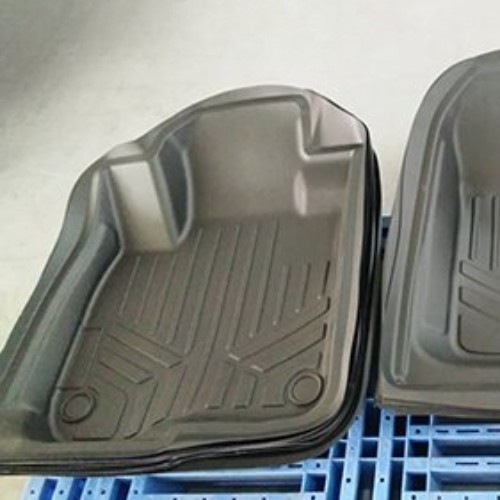
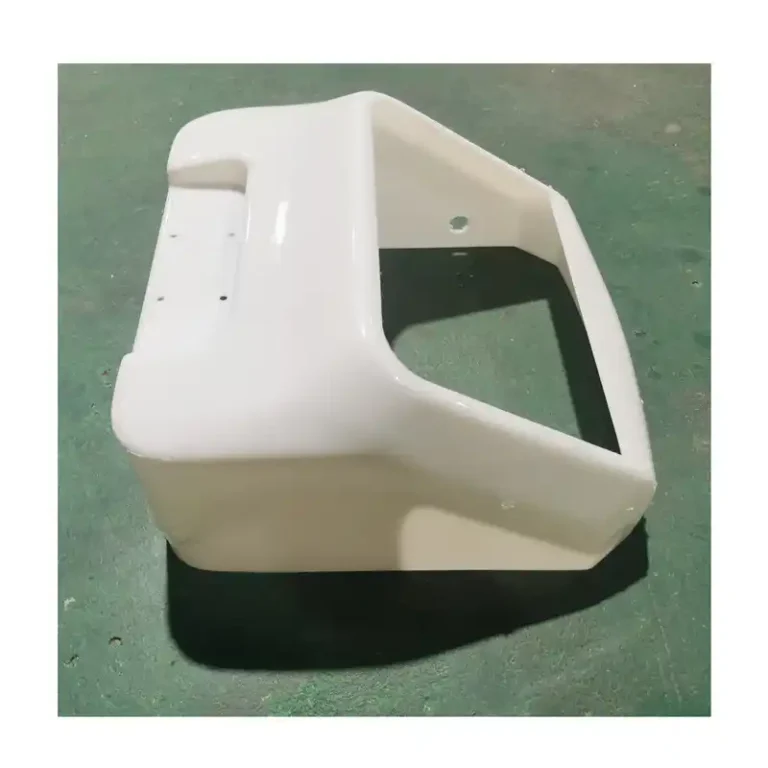
Talk to Our Engineer, Get a Solution in 20 minutes
Our engineers are the expert in vacuum forming products, you can let them know any requirements and specific demands, then they work out the solution soonest and send back it for free.

Short Description : How Thoughtful Design And Recyclable HDPE Turn Packing Into Protection, Efficiency, And Brand Value.
Lead Paragraph :
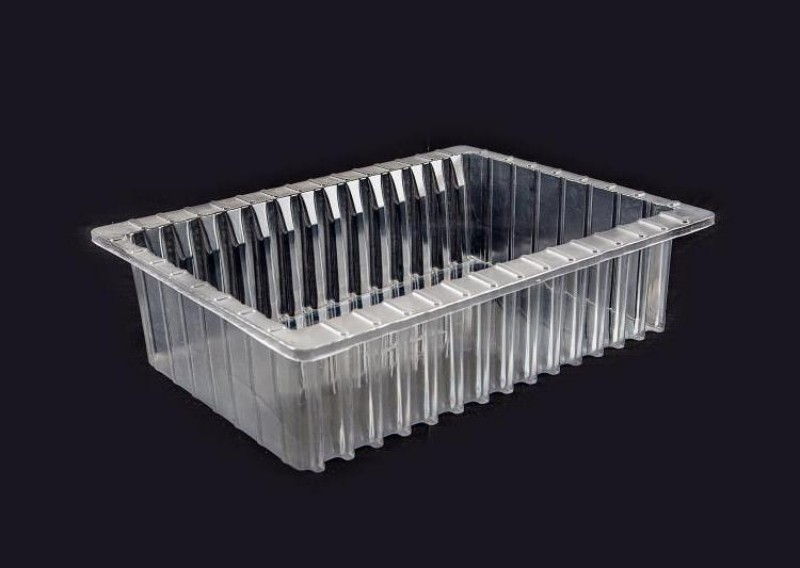
Imagine a tray that cradles a delicate circuit board with the same care a tailor gives to a bespoke suit — that’s what a well-designed HDPE vacuum-formed tray does. It’s not glamorous, but it quietly prevents heartbreak: fewer damaged goods, fewer emergency overnight shipments, and fewer awkward conversations with unhappy customers. This article digs beneath the tech specs to show the practical choices, trade-offs, and real business decisions behind adopting HDPE trays.
Short Description : Packaging Is Evolving From Temporary Wrapping To Integrated, Reusable Systems That Protect Products And People.
Packaging once solved only one problem: move stuff from A to B. Today it must protect, optimize space, integrate with logistics data, and reflect a company’s values. HDPE vacuum-formed trays sit at that intersection: engineered to hold, protect, and communicate.
Short Description : A Simple Four-Step Thermoforming Method That Balances Detail, Cost, And Speed For Real-World Production.
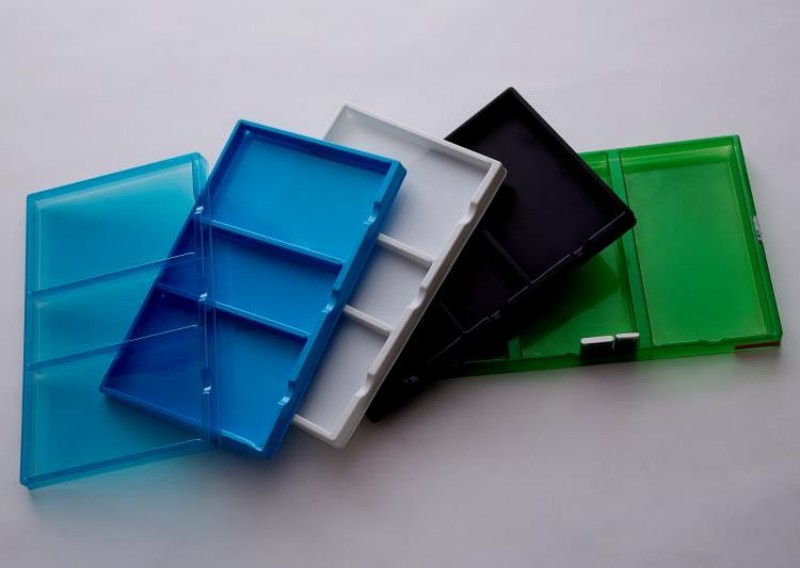
Think of vacuum forming as sculpting with heat and air. A flat HDPE sheet becomes a precise cavity in four steps: heating, forming, cooling, demolding. The magic is not just the mold detail — it’s the speed and flexibility. For companies that need multiple SKUs or frequent design changes, the lower tool cost and faster turnaround make vacuum forming far more practical than heavy investment in injection tooling.
Practical Note: If your product changes every six months, vacuum forming lets you iterate without a six-figure tooling write-off.
Short Description : HDPE Brings Durability, Cleanability, Lightweight Handling, And A Clear Recycling Path.
HDPE isn’t just “a plastic.” It’s a toolbox: strong under shock, tolerant of cold storage, resistant to oils and many chemicals, and simple to wash and disinfect. For supply chains that touch medical devices, electronics, or food, HDPE lowers contamination risk and simplifies cross-border shipping (no fumigation required the way wooden pallets sometimes do).
Human Angle: Warehouse teams notice the difference. Lighter trays reduce wrist strain during repeated picking; smoother edges reduce minor cuts and downtime.
Short Description : Real Benefits That Show Up As Fewer Breakages, Easier Handling, And Cleaner Reports.
Short Description : From PCBs To Scalpels To Seedlings — HDPE Trays Fit Many Roles Without Reinventing The Wheel.
Illustrative Vignette: A small medical-device maker switched to HDPE trays and saw fewer damaged kits in transit. The operations lead said: “We used to panic before big orders. Now we pack, scan, and ship with confidence.” That confidence translated into predictable delivery windows and a tighter returns line on the monthly report.
Short Description : Practical Steps And Questions To Ask Suppliers To Make Pilot Projects Fast And Informative.
Short Description : A Simple Way To Estimate Payback Using Your Own Damage And Replacement Numbers.
Basic Formula (Use Your Own Numbers):
Annual Savings ≈ (Current Annual Damage Cost + Annual Pallet Replacement Cost + Fumigation/Disposal Cost Savings + Shipping Savings From Lower Weight) — Annualized Cost Of HDPE Trays (Amortized Tooling + Maintenance).
How To Use It: Plug in your average damage-per-incident, average replacements per year, and expected tray lifespan. Even rough estimates usually show the direction — replacement-heavy flows favor HDPE faster.
Short Description : Expect Trays That Talk, Lighter Bio-Based Materials, And Easier Recycling Systems.
RFID, tilt/impact sensors, and temperature loggers will make trays active participants in product care. On the material front, bio-HDPE blends and single-material designs aim to make the end-of-life stream even cleaner.
Short Description : HDPE Vacuum Forming Trays Are Not Decorative — They’re Practical Tools That Reduce Risk, Save Money, And Improve Day-To-Day Work.
They protect products, simplify logistics, and reinforce brand and sustainability goals. The right way in is a short pilot, a clear KPI set, and supplier questions that force real answers on recyclability, lead times, and cleaning protocols.

TKP Plastic is China's leading provider of vacuum forming solutions. We are defined by our commitment to innovation, uncompromising quality, and total customer satisfaction. Our expertise enables us to deliver projects that excel in cost-effectiveness, intricate design, and sustainable manufacturing. Partner with TKP to bring your vision to life with precision and reliability.