Talk to Our Engineer, Get a Solution in 20 minutes
Our engineers are the expert in vacuum forming products, you can let them know any requirements and specific demands, then they work out the solution soonest and send back it for free.

Discover the best materials for vacuum forming. Compare plastics, explore performance, and choose the ideal option for your product. Trusted by B2B clients worldwide.
Discover the best materials for vacuum forming. Compare plastics, explore performance, and choose the ideal option for your product. Trusted by B2B clients worldwide.
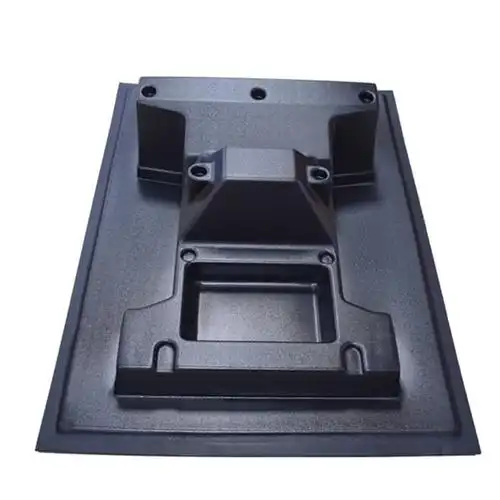
A practical guide for engineers and production managers that explains five core ABS thick-sheet forming problems, shows evidence and tests, and gives clear, actionable fixes to reduce defects and improve first-pass yield.
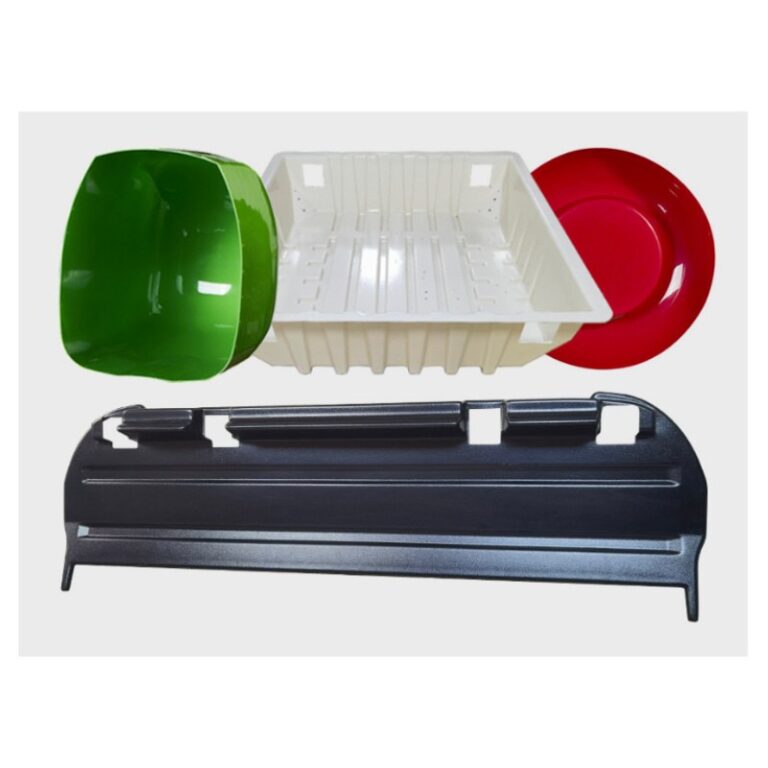
Choosing the correct sheet gauge for vacuum forming is one of the fastest ways to make—or break—your part. Gauge controls strength, detail, cost, tool complexity and production speed. Below you’ll find a practical explanation of thin vs thick gauge, when to choose each, design rules that actually matter (draw ratios, plug assists, draft, ventilation), a clear comparison table, and a short FAQ to help you decide for real projects.

This article cuts past marketing claims to compare vacuum forming and traditional methods so you can pick the right tool for the job — especially when exploring professional processes like vacuum forming for costume-grade components.
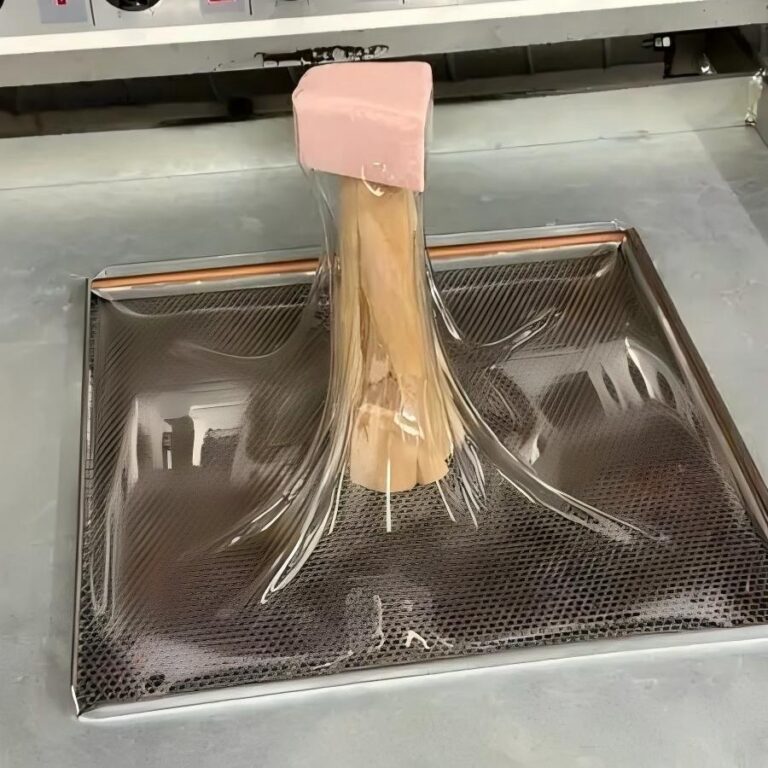
Heating is the single most important step in vacuum forming. Heat it too little and the sheet won’t stretch; heat it too much and you’ll scorch, thin out, or ruin the part — and risk hazardous fumes. This guide gives clear, usable steps you can apply whether you’re working at a hobby bench or a small shop, plus safety checks and quick troubleshooting so you waste less material and get repeatable results.
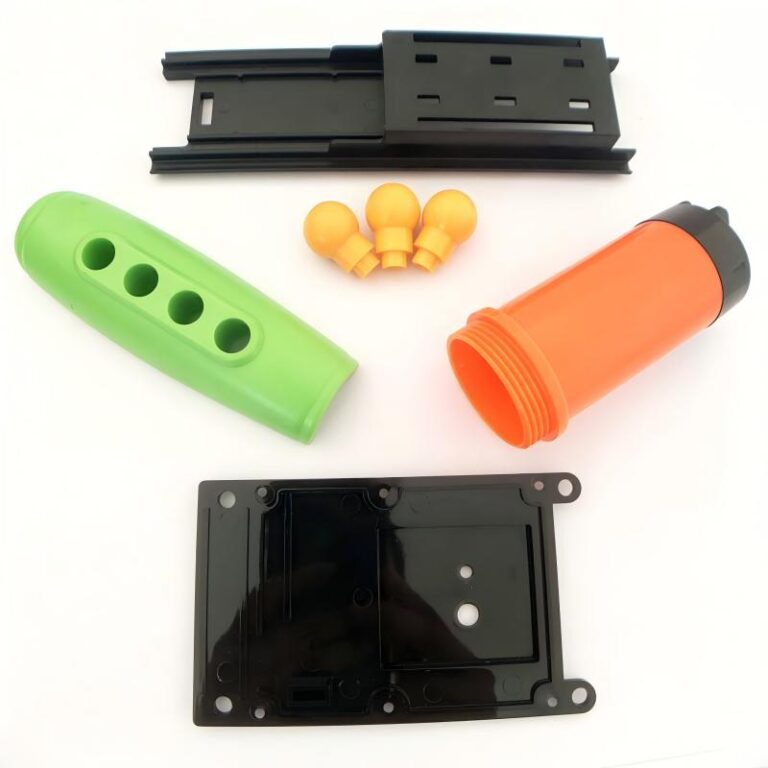
Abs and acrylic are both widely used thermoplastics, but they solve very different problems. One is built for toughness and forgiveness. The other is chosen for clarity, gloss, and visual impact. When this difference is misunderstood, the consequences often show up later—in cracked parts, yellowed surfaces, or unnecessary manufacturing costs.
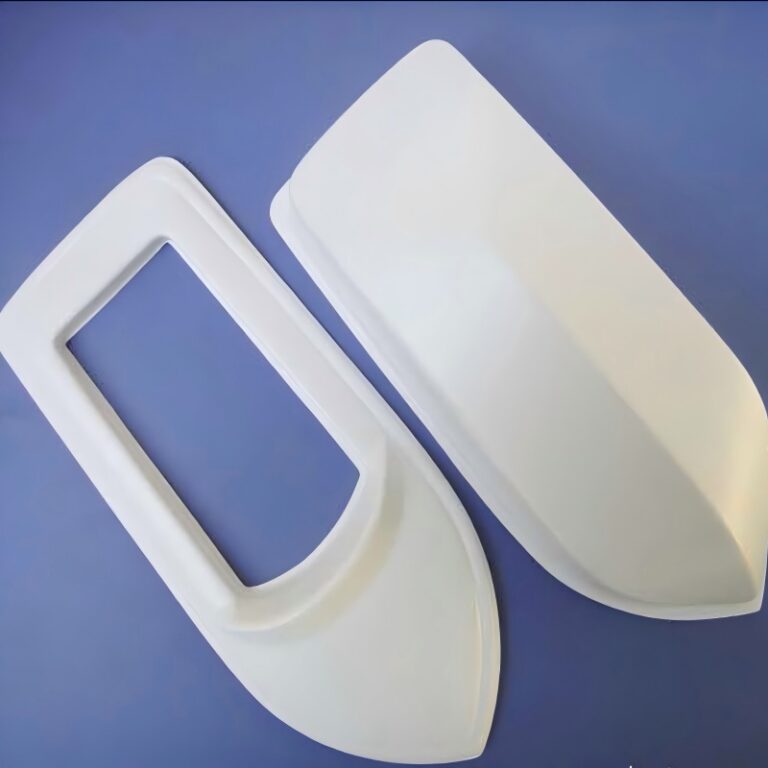
Polypropylene (PP) can be vacuum formed, but it behaves differently from common amorphous plastics (like ABS or acrylic). With the right grade, temperature control, tooling and venting, PP makes durable, chemical-resistant parts
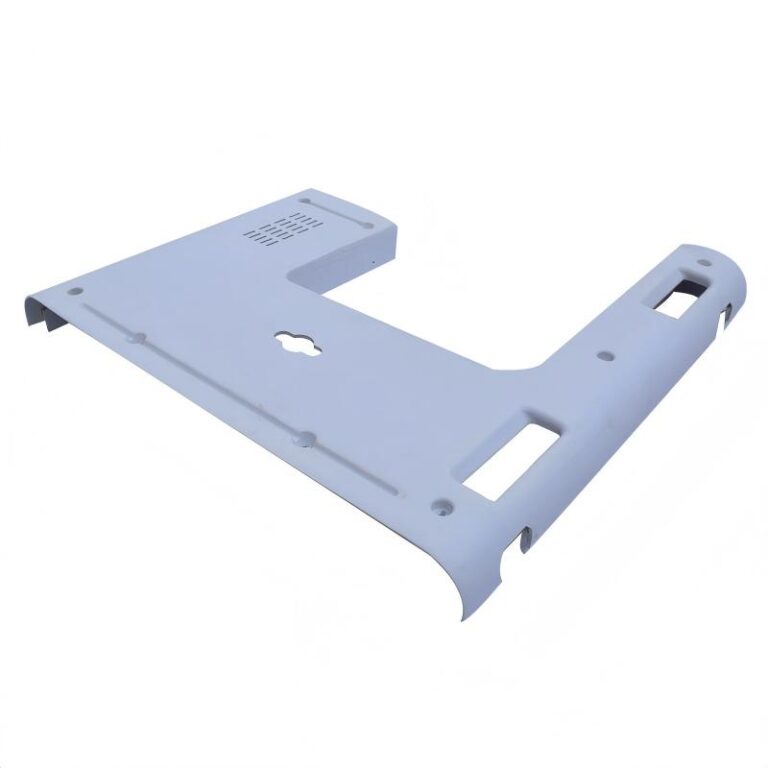
It explains what heavy-gauge (thick-sheet) vacuum forming is, how to choose materials, which industries use it, common part types, customization options, cost and sustainability considerations, and practical steps for design and procurement
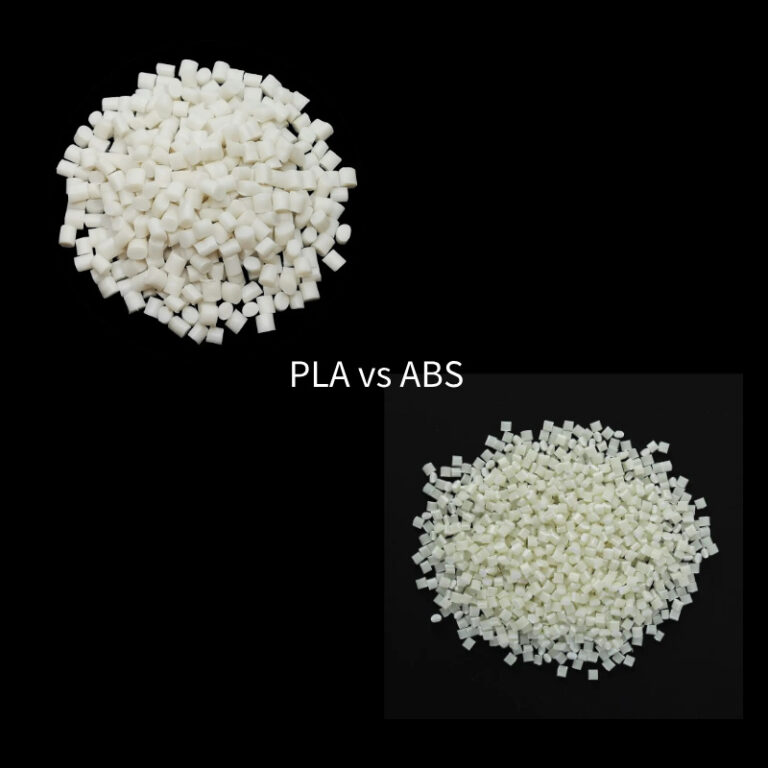
PLA and ABS excel at different things. PLA is the fast, friendly, detail-loving material that gets prototypes and pretty parts done with minimal fuss. ABS is the tougher, warmer, and more forgiving-under-stress material that performs where heat, impact and durability matter.
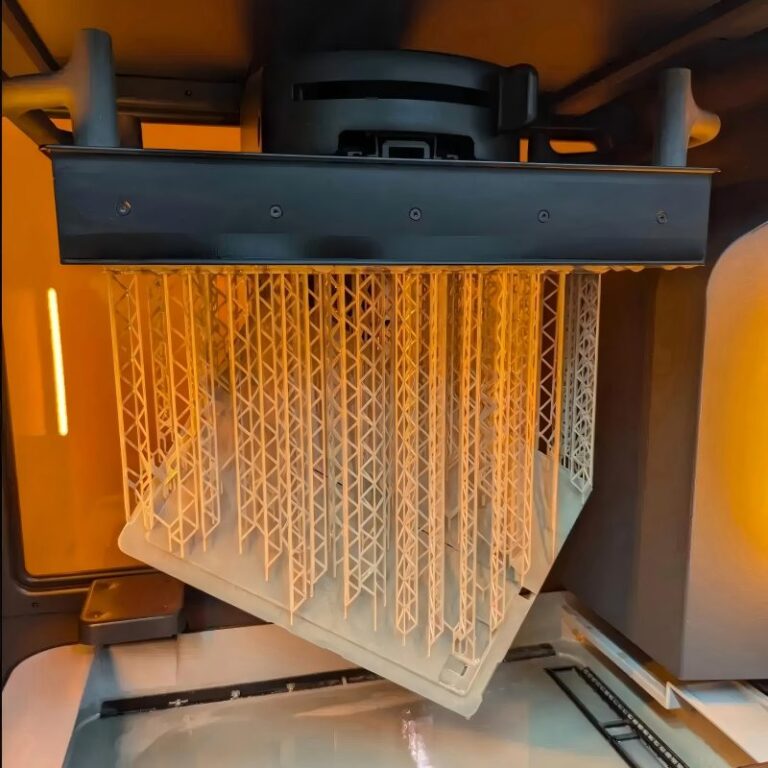
3D printing gives you the freedom to iterate geometry quickly; vacuum forming produces production-like thin shells and finishes. Together, they let teams validate earlier, cheaper, and more convincingly than with printed parts alone.
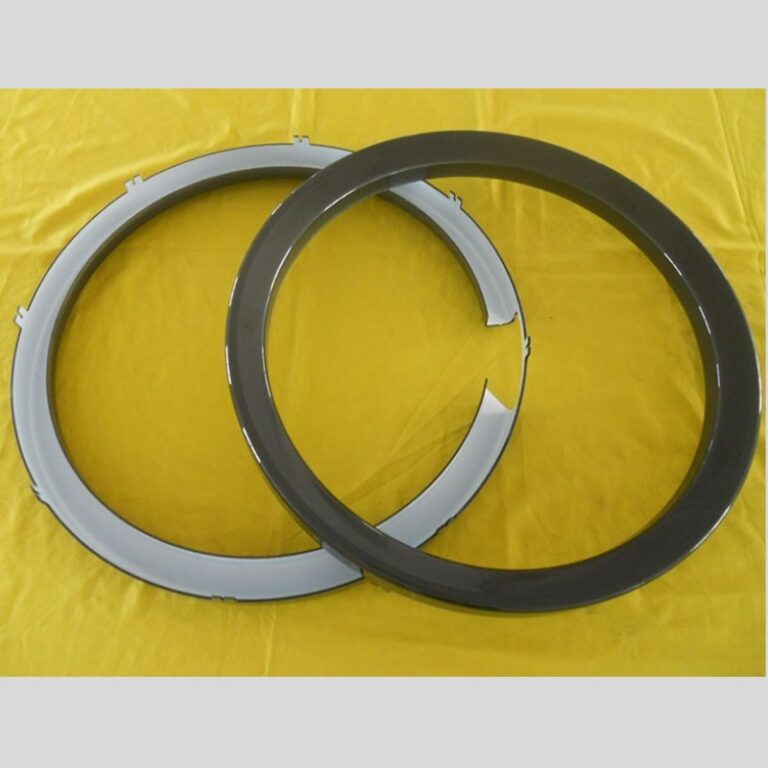
Can acrylic be vacuum formed? Yes — reliably, but only if you respect its personality. Acrylic (PMMA) rewards careful heating, controlled stretching, and post-process annealing with spectacular clarity and UV stability.
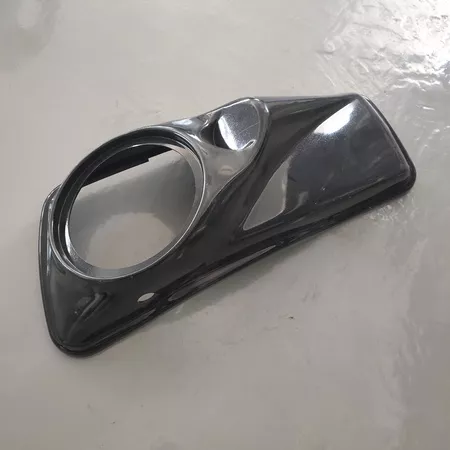
Vacuum forming is not a perfectly controlled science experiment. Tools age. Operators make judgment calls. Customers change their minds halfway through a project. ABS survives all of that.

Vacuum forming looks simple: heat a sheet, pull a vacuum, and out pops a shape. But the real work is choosing the right plastic for the job — the choice that prevents a ruined tool run, patchy paint adhesion.

TKP Plastic is China's leading provider of vacuum forming solutions. We are defined by our commitment to innovation, uncompromising quality, and total customer satisfaction. Our expertise enables us to deliver projects that excel in cost-effectiveness, intricate design, and sustainable manufacturing. Partner with TKP to bring your vision to life with precision and reliability.