Talk to Our Engineer, Get a Solution in 20 minutes
Our engineers are the expert in vacuum forming products, you can let them know any requirements and specific demands, then they work out the solution soonest and send back it for free.

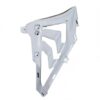
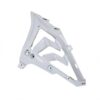
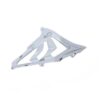
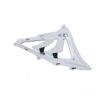
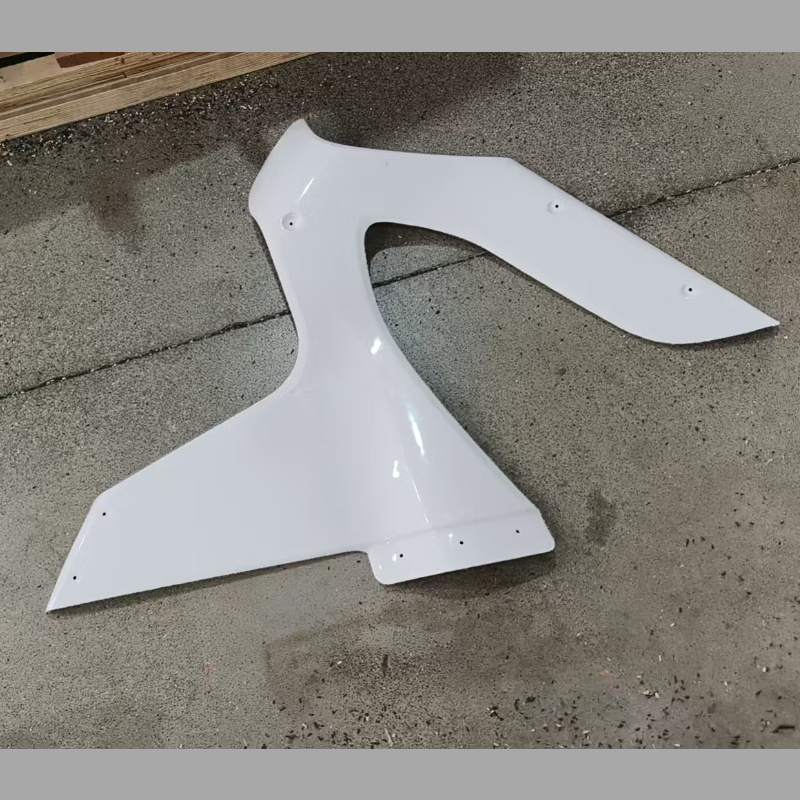
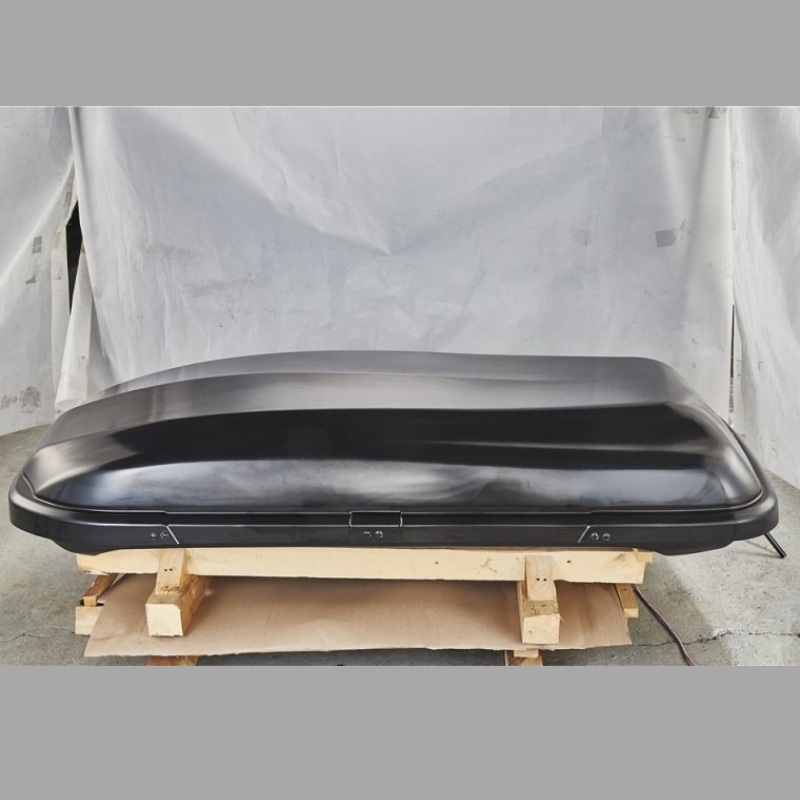
Vacuum-formed motorcycle modification panel with sharp lines and open-cut design. Lightweight yet tough thermoplastic for custom builds, track projects, or OEM-style upgrades. Smooth gloss finish, paintable, and drilled for fast, accurate installation.
Factory-fit feel with room for your style.
This part is the kind of component you notice by what it stops: splash on your boots, grit on the swingarm, and the tiny rattles that creep in after a few seasons. made by vacuum forming, it’s shaped to sit true to the bike’s lines, take paint well and survive daily use without fuss.
A thin, formed panel that gives repeatable fit and a paint-ready surface.
Vacuum forming heats a thermoplastic sheet and pulls it over a mold so each panel has consistent wall thickness where it matters, crisp edges where it mounts, and a glossy skin that accepts primer, paint or wrap. because the process repeats the same geometry, you get predictable parts for prototypes, small runs or custom builds.
Tough thermoplastics that flex instead of snapping, and shrug off road grime.
Common options are abs and asa or similar thermoplastics chosen to resist vibration, uv and the odd knock. the material bends under impact and returns to shape rather than fracturing — practical resilience for commuting and weekend use.
Cutouts and venting that trim weight and move air without theatrics.
The holes and curves are purposeful: they let hot air escape, stop mud from packing in, and cut grams where structure allows. the benefit shows up as slightly cooler running in hot conditions and a cleaner package after rainy rides.
Formed locating features and multiple mounts to reduce trimming time.
You’ll usually line it up, start bolts by hand and tighten. because locating features are formed into the part, you spend less time fiddling, fewer shims are needed, and projects move faster in the workshop.
Faster tooling and lower up-front cost than injection molding for medium and large panels.
Vacuum forming needs simpler tooling and shorter lead times, so it’s better for short runs, revisions, and one-off pieces. injection molding still wins at very high volumes or when ultra-tight tolerances are required — vacuum forming is a practical middle ground.
Paint, wrap, texture or pre-drilled patterns sent to your spec.
The smooth surface takes standard paint systems after light scuffing and plastic primer, and panels can be supplied trimmed, drilled, textured, or with protective film. this makes them ready for small production or a final-touch custom build.
Checked for thickness, hole position and surface uniformity — packed to arrive ready.
Inspection focuses on the things that cause shop headaches: hole alignment, consistent wall thickness and a blemish-free skin. parts can be boxed with protective film, labeled and palletized so they get to you ready to fit.
Simple prep and checks that save time later.
scuff with fine grit and use a plastic primer before painting.
re-torque fasteners after the first 100–200 km to catch settling.
avoid harsh solvents for routine cleaning; mild soap and a soft cloth are kinder.
if small chips appear, touch them up quickly to stop corrosion at metal interfaces.
What to include so a vendor can quote and guide you quickly.
Send sketches or cad files, indicate target material and preferred wall thickness, point out mounting hole locations and any required tolerances, and say whether you want parts trimmed, pre-drilled or packaged. clear photos of the bike and the area the part will fit help a lot.
Is this suitable for street, track and light off-road use? — yes, it’s designed for mixed use and everyday riding.
Can i paint or wrap it myself? — yes; scuff, prime and finish with compatible products.
Will it change handling? — not noticeably when fitted correctly; it’s engineered to be light where possible.
What tools do i need to fit it? — basic hand tools; parts can be supplied pre-drilled for faster fitment.

TKP Plastic is China's leading provider of vacuum forming solutions. We are defined by our commitment to innovation, uncompromising quality, and total customer satisfaction. Our expertise enables us to deliver projects that excel in cost-effectiveness, intricate design, and sustainable manufacturing. Partner with TKP to bring your vision to life with precision and reliability.