Talk to Our Engineer, Get a Solution in 20 minutes
Our engineers are the expert in vacuum forming products, you can let them know any requirements and specific demands, then they work out the solution soonest and send back it for free.

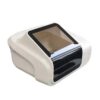
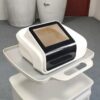
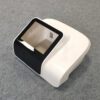
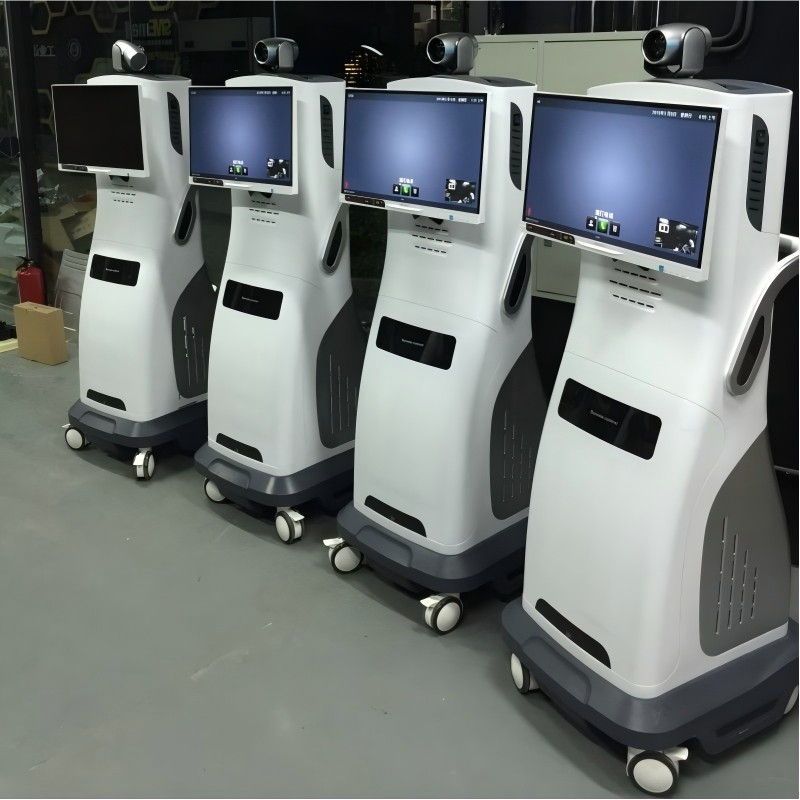
The Vacuum Formed Plastic Protective Case for Medical Machinery offers durable, lightweight, and precise protection. Designed for advanced medical devices, it provides superior impact resistance, hygiene, and a sleek, ergonomic appearance ideal for professional healthcare environments.
A Practical, Engineer-Level Housing That Balances Cleanability, Durability, And Real-World Use.
Designed Around The Daily Reality Of Clinics, Labs, And Hospital Workflows.
Medical gear gets handled hard: carts bump, techs wipe in a hurry, service staff open panels dozens of times. This housing is shaped to survive that life. It’s vacuum formed for consistent geometry at reasonable cost, but the design choices are driven by serviceability, ease of cleaning, and predictable failure modes — not by making the prettiest part in the room.
Practical notes: keep access panels obvious, make clips serviceable with common tools, and avoid hidden fasteners that “look neat” but slow down maintenance.
Smooth, Nonporous Surfaces From Medical-Grade Thermoplastics That Stand Up To Routine Disinfection.
Use ABS or PC/ABS blends chosen for cleanability and toughness. Smooth, glossy or fine-textured surfaces are easy to wipe and do not trap residue. But: not all ABS is created equal — add UV stabilizers for sun-exposed carts, choose flame-retardant grades only if you need specific UL ratings, and consider PC/ABS where higher heat resistance is required.
Cleaning reality: 70% isopropyl wipes and diluted bleach solutions are commonly used; each chemistry affects finishes differently. Specify the disinfectants you expect (IPA, dilute sodium hypochlorite, hydrogen peroxide wipes) and test samples — early.
Tailored Contours And Cutouts That Match Actual Internals And Assembly Sequences.
Vacuum forming gives you accurate external profiles and consistent wall sections. That helps when displays, connectors, and ventilation must line up precisely. Typical tolerances are in the single-millimeter range — fine for housings, but if you need sub-mm alignment for optical modules or tight gasketing, plan post-trim CNC or insert tooling.
Design tips: keep draft angles (1.5–3°), avoid deep narrow ribs, and place bosses with at least 2× the local wall thickness for reliable screws or heat stakes.
Lightweight Handling With Local Reinforcement Where Stress Actually Happens.
A clinic worker shouldn’t struggle with a device. Keep the part light and ergonomic, then add stiffness where it’s needed — ribs under load points, a formed grid under panels that take pressure, and localized thickening only where fastening or impact is expected. Blind ribs and excessive structure just add mass.
Quick shop tip: prototype the assembly with the real PCB and cable harness to find where strain relief, bosses, or access cutouts matter most.
Real Guidance On What Cleaners Work, What Damages Finishes, And When To Test.
Don’t promise sterilization methods without testing. Vacuum-formed housings are generally fine for surface disinfection (wipes, sprays), but they are not autoclave parts unless made from specific high-temperature plastics. Common practice: validate the housing against the cleaning agents you’ll use (IPA, 0.1% sodium hypochlorite, accelerated hydrogen peroxide). Track these tests: look for crazing, softening, color change, and loss of gloss.
If you expect aggressive sanitizers or repeated high-temperature exposure, specify a polymer and grade that’s been verified, or plan for replaceable covers.
How To Get Real Water/Dust Resistance Without Killing Serviceability.
You can reach IP54–IP65 levels with good gasket design and proper fastener spacing — but that means designing a continuous groove, specifying compression (10–20% typical), and using screws spaced to maintain even pressure. Don’t design for IP65 and then expect easy field service; higher IP often raises service time and cost.
Practical compromise: use a removable, gasketed service panel for field access and a sealed main body for the internals that must remain dust-tight.
Specify Performance Needs, Then Pick Grade And Test — Don’t Guess Compliance.
Materials touch many boxes: chemical resistance, flame rating (UL94), biocompatibility (if patient contact is possible), and ESD control (additives or coatings). A housing can “support” regulatory compliance, but the device as a whole must be tested. Call out the expected standards early and include material certificates and test samples in the design phase.
CNC Trimming, Ultrasonic Welding, Inserts, And Fastening Practices That Work On The Line.
Common secondary ops: CNC trim for tight tolerances, ultrasonic welding for permanent seams, heat staking or PEM nuts for repeated assembly, and brass threaded inserts for frequent servicing. Each operation affects the polymer: heat stakes need adequate boss mass; ultrasonic welds need suitable joint geometry. Prototype with the intended secondary operations — don’t assume the first sample will behave the same as production.
Things Engineers Wish Were Obvious Before The First Build.
Thicker walls = more protection but heavier shipping and slower heating during forming.
Gloss hides dirt less well; light texture hides wear but is slightly harder to sterilize visually.
Ribs placed without load analysis add weight for no benefit.
Early physical mockups (3D print + formed sample) save weeks of late changes.
A Thoughtful, Test-Driven Housing Approach That Prioritizes Cleanability, Serviceability, And Predictable Performance.
If you want housings that last in real healthcare settings, design like you’ll be on the floor: plan for the cleaners, the tech who fixes it at midnight, and the budget that won’t tolerate endless rework. Vacuum-formed plastic cases are an efficient, practical choice — provided you specify materials, finishes, gasketing, and test regimes up front.

TKP Plastic is China's leading provider of vacuum forming solutions. We are defined by our commitment to innovation, uncompromising quality, and total customer satisfaction. Our expertise enables us to deliver projects that excel in cost-effectiveness, intricate design, and sustainable manufacturing. Partner with TKP to bring your vision to life with precision and reliability.