Talk to Our Engineer, Get a Solution in 20 minutes
Our engineers are the expert in vacuum forming products, you can let them know any requirements and specific demands, then they work out the solution soonest and send back it for free.

Vacuum forming looks simple: heat a sheet, pull a vacuum, and out pops a shape. But the real work is choosing the right plastic for the job — the choice that prevents a ruined tool run, patchy paint adhesion, or a part that cracks six months after it ships. This guide gives you the shortlist (and why each material behaves the way it does), real shop-proven tips, an easy “2-minute decision flow”, and a practical prototype recipe you can run today.
Stop thinking in product datasheets and start thinking in three axes:
Score each axis 0–5 and use that to narrow the shortlist. The remainder of this guide explains how the common polymers map to those axes — and what will bite you if you pick the wrong one.
Below each material is a short when-to-pick, real weakness, practical forming note, and a short checklist for quick testing.
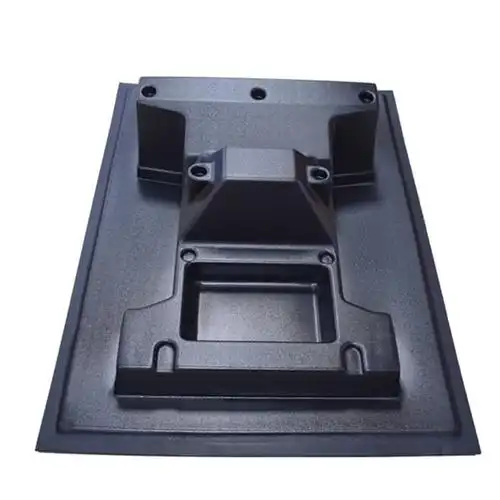
When to pick: Indoor housings, painted parts, functional prototypes that may become injection-molded. Real weakness: Yellowing outdoors and stress cracking at sharp cut edges if trimmed cold. Practical forming note: Good toughness and paintability; expect moderate springback — add draft and generous radii.
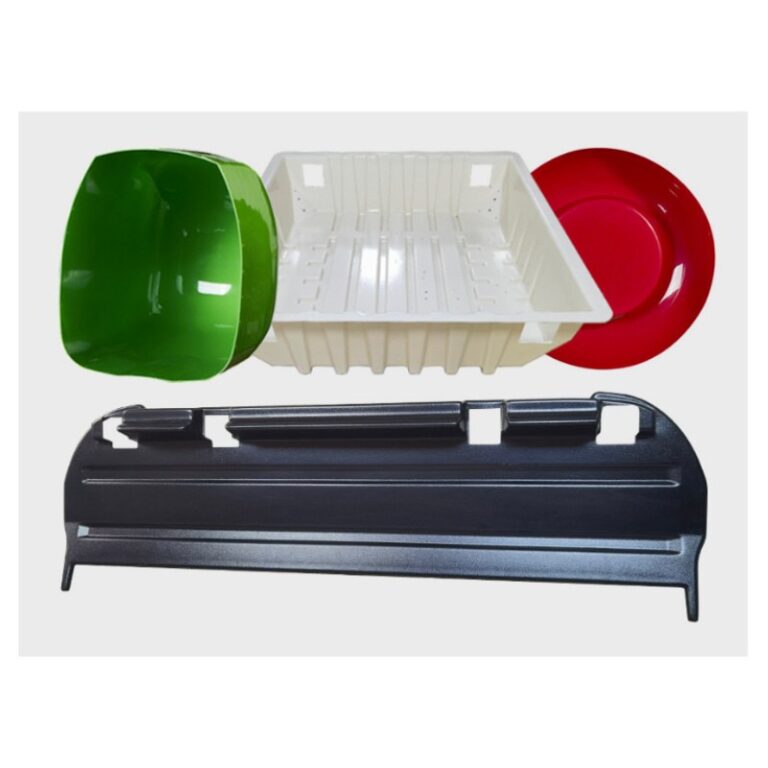
When to pick: High-quality displays, light diffusers, POS units where clarity and polish matter. Real weakness: Brittle — thin, sharp features crack under load. Use thicker sections or structural backing. Practical forming note: Forms well but needs careful heating and slow handling; polishable to near-glass finish. Typical thermoforming windows vary by grade (cast vs extruded) — see forming ranges below.
When to pick: Food trays, blisters, clear packaging where barrier and gloss matter. Real weakness: Susceptible to shrink variations if trimmed poorly. Practical forming note: Low forming temps for clarity; very common in packaging.
When to pick: Any exterior application where UV and color stability matter (outdoor housings, signage). Real weakness: Slightly more expensive than ABS, but reduces long-term warranty costs. Practical forming note: Similar forming behavior to ABS, but ask your supplier for outdoor-grade data.
When to pick: Trays, covers, and enclosures that must dissipate static. Real weakness: Additives can change forming behavior (check draw and finish). Practical forming note: Ask for surface resistivity range (e.g., 10^4–10^9 Ω) before prototyping.
When to pick: Point-of-sale displays, low-stress housings, budget packaging. Real weakness: Lower chemical resistance than polyolefins. Practical forming note: Cheap and forgiving — a common shop staple. Typical forming temps are well documented below.
When to pick: Tanks, bins, chemically exposed covers. Real weakness: Higher shrink and slip; tooling must account for this. Practical forming note: Narrower window and semi-crystalline behavior require tight process control.
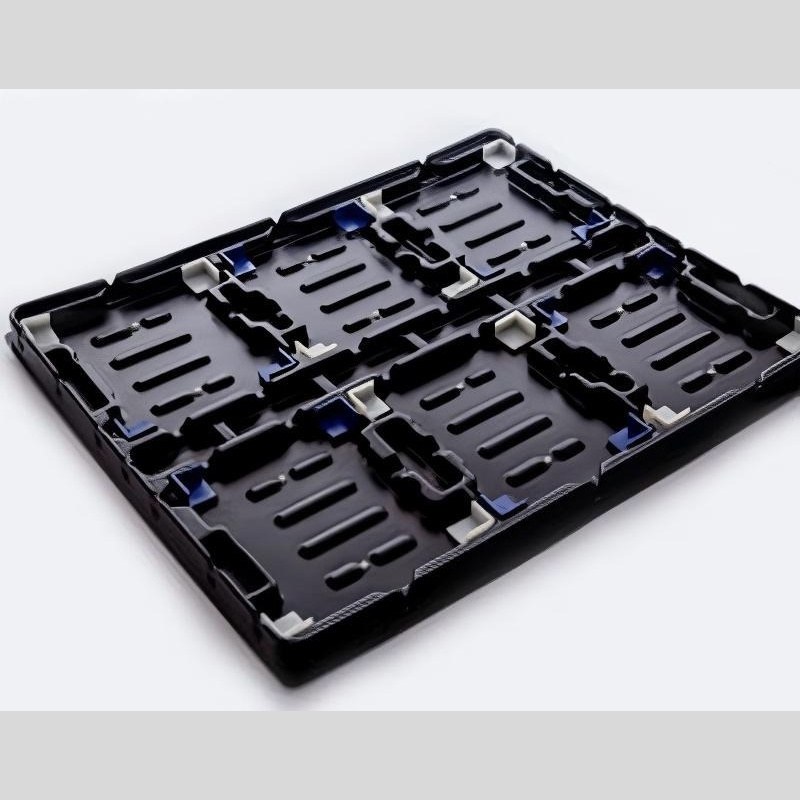
When to pick: Blisters, medical trays, clear packaging with impact resistance. Real weakness: Not as scratch-resistant as acrylic, but much tougher. Practical forming note: Excellent deep-draw behavior and easier to form than polycarbonate. See forming window below.
When to pick: Parts needing flex/fatigue resistance, low-cost packaging. Real weakness: Low surface energy — paints and adhesives need pretreatment. Practical forming note: Forms in solid or melt phase; temperatures vary by technique — see sources below.
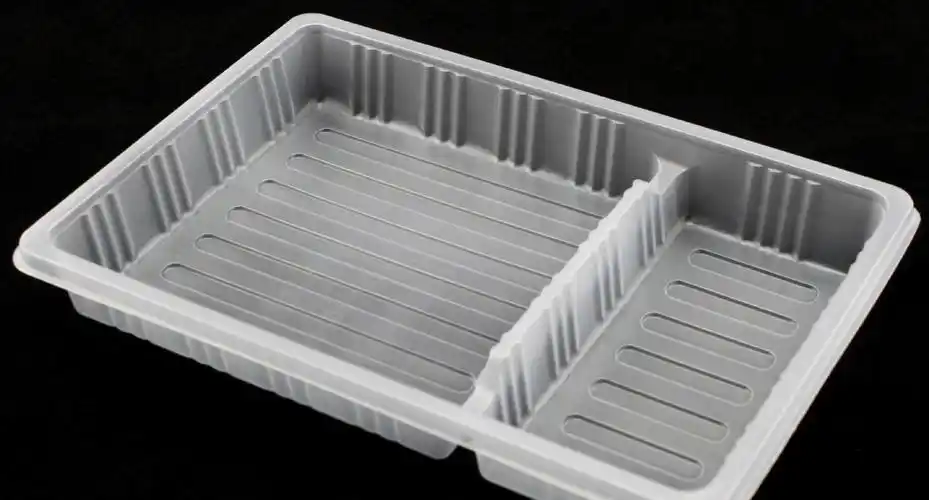
When to pick: Guards, industrial housings, rigid formed parts. Real weakness: Fume considerations; use proper ventilation and compliant grades. Practical forming note: Handles well on many machines but check VOC rules in your plant.
| Material | Clarity | Toughness | UV Stability | Typical Form Temp | Typical Uses |
|---|---|---|---|---|---|
| ABS | Opaque | Good | Moderate | 140–190°C. (matweb.com) | Housings, interiors |
| PETG | Clear | Very Good | Moderate | 120–160°C. (Curbell Plastics) | Trays, displays |
| Acrylic | Clear | Moderate (brittle) | Moderate | Mid-high | Signs, light diffusers |
| HIPS | Opaque | Moderate | Low | 140–190°C. (toolcraft.co.uk) | POS displays |
| HDPE | Opaque | Very good | Low | Varied | Tanks, crates |
| ASA | Opaque | Good | Excellent | Similar to ABS | Outdoor parts |
| PP | Opaque | Variable | Low-moderate | Varied | Packaging, furniture |
| PVC | Translucent/opaque | Good | Moderate | Varied | Guards, industrial parts |
These are practical start-points for trial; always validate on your machine and with your sheet thickness.
These are the actionable steps that change outcomes, not just theory.
If wall thinning > 40% at corners or paint fails the tape test, go back: change material or add plug assist / geometry radii. This little loop saves huge headaches later.
Production teams often pick ABS because it’s cheap and familiar — then parts crack in sunlight and the client files a warranty return. The avoidable step? Score that part against the three axes above and run a 5-part prototype with ASA (or UV-stable paints) before committing. Small upfront tests matter.
The cheapest sheet on the quote can be the most expensive choice if it causes rework, returns or a failed finish. Score your needs (optics, environment, life), run the 5-part prototype recipe above, and iterate once — you’ll save weeks and thousands in scrap. Contact TKP team for more professional information to start your project.

TKP Plastic is China's leading provider of vacuum forming solutions. We are defined by our commitment to innovation, uncompromising quality, and total customer satisfaction. Our expertise enables us to deliver projects that excel in cost-effectiveness, intricate design, and sustainable manufacturing. Partner with TKP to bring your vision to life with precision and reliability.