Talk to Our Engineer, Get a Solution in 20 minutes
Our engineers are the expert in vacuum forming products, you can let them know any requirements and specific demands, then they work out the solution soonest and send back it for free.

Most people never notice blister trays.
That’s the point.
When blister tray packaging is done well, nothing goes wrong. Products arrive intact. Sterile devices stay sterile. Pills don’t rattle, crack, or degrade. Assembly lines don’t jam at 2:17 a.m. And customers never wonder whether what they’re holding is authentic.
In 2026, the blister tray packaging market isn’t about plastic anymore. It’s about risk management, regulatory survival, sustainability credibility, and operational calm in industries where failure is expensive and very public — especially for manufacturers focused on precision thermoforming and custom plastic packaging solutions.
This is what’s really happening beneath the surface.
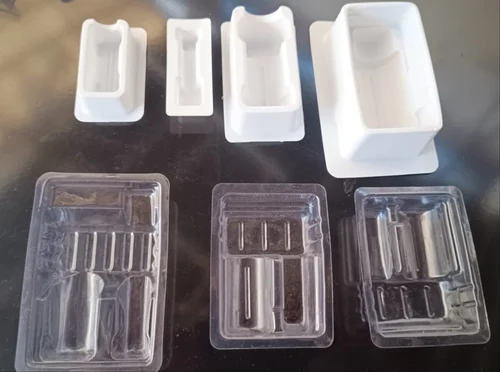
On paper, the blister tray packaging market appears comfortably mature. Growth is steady, predictable, and driven by familiar sectors: pharmaceuticals, medical devices, food, cosmetics, and high-value consumer goods.
But talk to anyone actually buying or producing trays, and you’ll hear a different story — particularly from suppliers deeply involved in vacuum forming services for regulated industries.
The volume of trays is increasing slowly. The demands placed on each tray are exploding.
In 2026, a blister tray is expected to:
That’s a lot to ask from something that used to be “just a tray.”
Pharma remains the emotional center of this market — not because of volume alone, but because of consequences.
A failed tray doesn’t just cause waste. It can:
In 2026, pharma companies are designing packaging backwards from risk. Instead of asking “What tray is cheapest?”, they ask:
“What tray will never be the reason this product fails?”
That shift favors:
PVC still exists, but it’s on borrowed time. PET, PETG, and PP dominate new projects — especially in applications tied to medical vacuum forming — not because they’re perfect, but because they offer better balance between clarity, rigidity, processability, and regulatory comfort.

For medical devices, blister trays are no longer passive containers. They’re handling systems.
A tray must:
In 2026, device manufacturers increasingly design trays in parallel with the device itself. If the tray is an afterthought, the product launch suffers.
This has pushed the market toward:
The result? Higher margins for capable suppliers — and brutal competition for those who can’t adapt.
Everyone wants sustainable blister trays.
Almost no one wants to pay for mistakes.
In 2026, sustainability conversations around blister tray packaging have matured. The easy claims are gone. Buyers now ask uncomfortable but necessary questions:
The industry’s current answer is compromise.
Mono-material trays are rising fast, especially in PET-based systems. Lightweighting is now standard. PCR content is used cautiously, often limited to secondary or non-critical applications — a reality well understood by manufacturers working across different thermoforming materials.
The smartest companies are no longer chasing perfection. They’re documenting trade-offs, testing aggressively, and choosing solutions that won’t collapse under regulatory or operational pressure.
One of the least discussed drivers in the blister tray packaging market is automation fatigue.
Production lines are faster. Labor is scarcer. Downtime is intolerable.
A tray that:
…can cost more in lost production than its entire annual purchase price.
In 2026, buyers increasingly evaluate trays by asking:
“Will this tray behave the same way every single time?”
Consistency beats innovation. Predictability beats novelty.
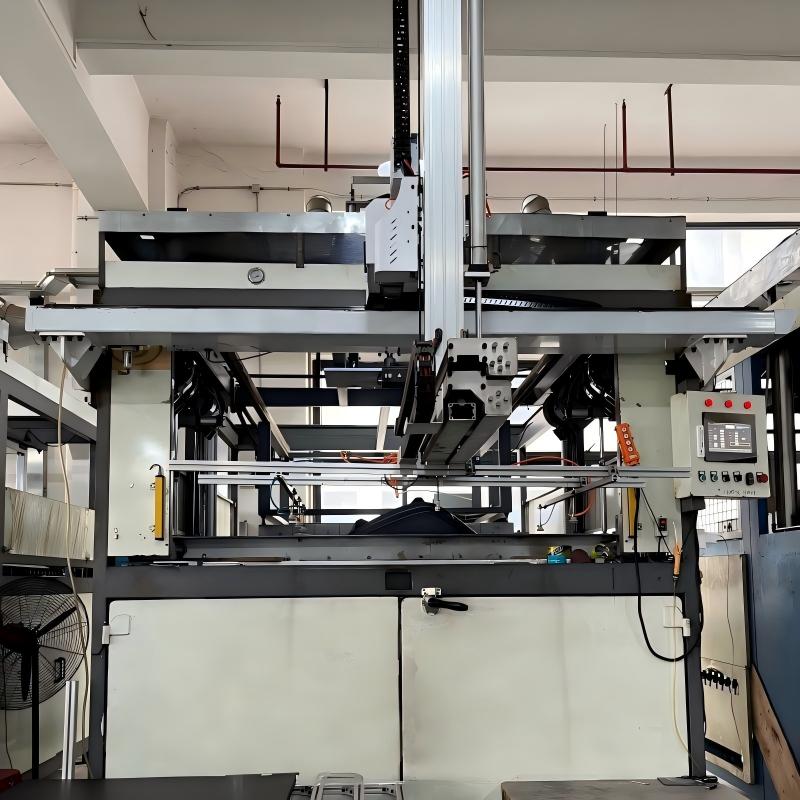
That’s why suppliers investing in tooling precision, material repeatability, and process control — like those operating advanced vacuum forming facilities at Best Vacuum Forming — are quietly winning long-term contracts.
Yes, Asia-Pacific continues to drive volume growth. Yes, North America and Europe dominate high-value and regulated applications.
But the real divide in 2026 isn’t regional. It’s philosophical.
Some manufacturers still see blister trays as commodities. Others treat them as risk-critical components.
Only the second group is growing sustainably.
What’s accelerating
What’s fading
The blister tray packaging market doesn’t reward noise.
It rewards:
In 2026, the best blister trays are invisible — because nothing goes wrong.
And in industries where failure is expensive, that invisibility is worth everything.

TKP Plastic is China's leading provider of vacuum forming solutions. We are defined by our commitment to innovation, uncompromising quality, and total customer satisfaction. Our expertise enables us to deliver projects that excel in cost-effectiveness, intricate design, and sustainable manufacturing. Partner with TKP to bring your vision to life with precision and reliability.