Talk to Our Engineer, Get a Solution in 20 minutes
Our engineers are the expert in vacuum forming products, you can let them know any requirements and specific demands, then they work out the solution soonest and send back it for free.


In the field of medical device manufacturing, while the focus is on high-precision injection molding or cutting-edge 3D printing, plastic vacuum/thermoforming technology is often considered a "traditional" process. However, with the rapid advancements in materials science and automation technology, thermoforming technology is redefining the manufacturing standards for medical devices and sterile packaging with its perfect balance of design flexibility, cost-effectiveness, and production efficiency.
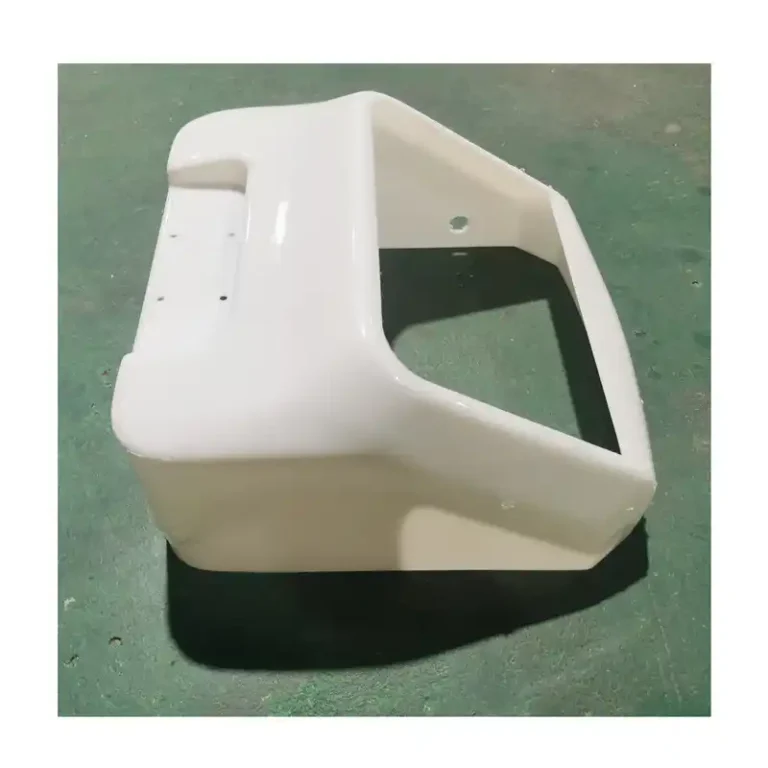
Vacuum forming composite sandwich sheets (rigid plastic skins + foam or honeycomb core) is a great way to make lightweight, stiff parts — but it brings three recurring headaches: sandwich separation (delamination), interlayer slippage, and differing thermal expansion between layers.
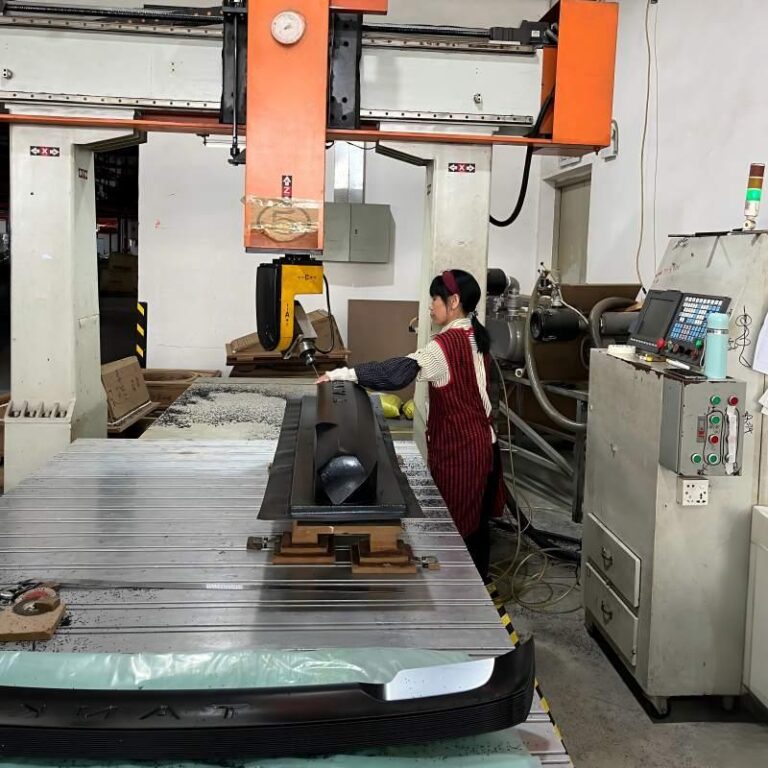
When you need custom plastic parts—anything from protective shells and bezels to display housings and trays—two processes dominate: vacuum forming (to shape the shell) and CNC cutting (to precisely trim, hole-cut, and finish). Tekaopu Plastic Combining them into a single, one-stop service removes handoffs, reduces lead time and scrap, improves tolerances, and gives you a finished part ready for assembly or sale.
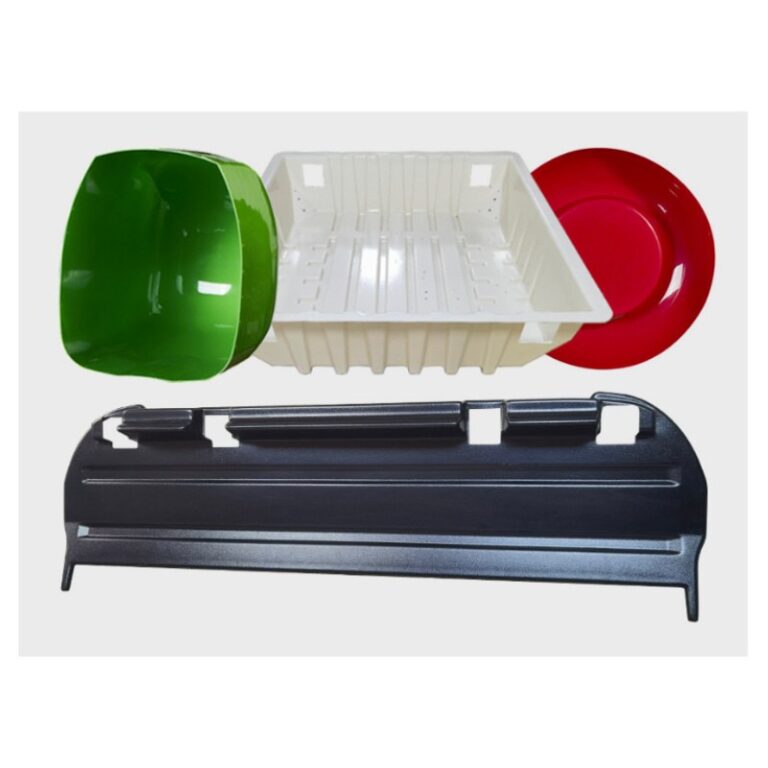
Choosing the correct sheet gauge for vacuum forming is one of the fastest ways to make—or break—your part. Gauge controls strength, detail, cost, tool complexity and production speed. Below you’ll find a practical explanation of thin vs thick gauge, when to choose each, design rules that actually matter (draw ratios, plug assists, draft, ventilation), a clear comparison table, and a short FAQ to help you decide for real projects.
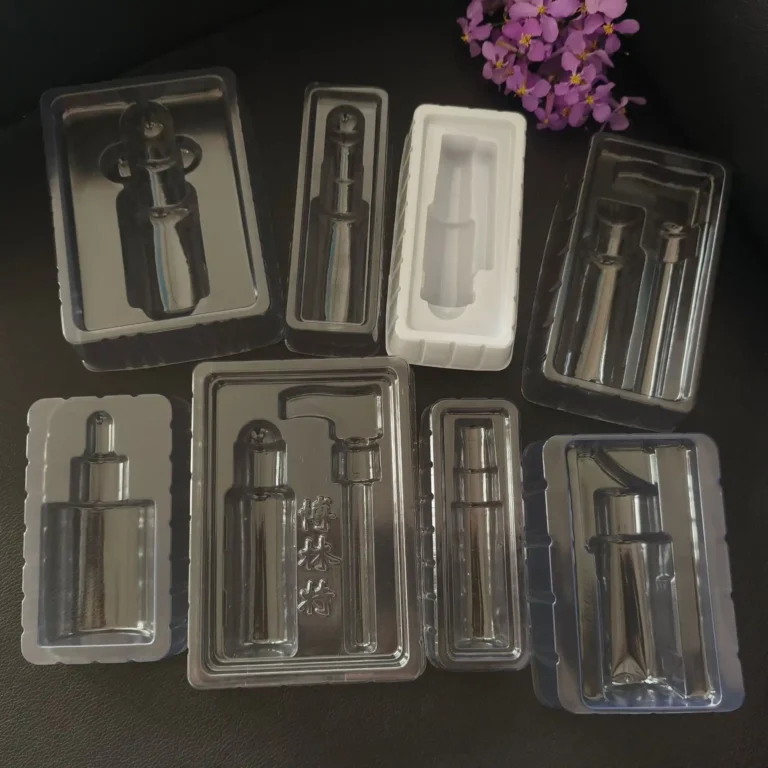
In 2026, the blister tray packaging market isn’t about plastic anymore. It’s about risk management, regulatory survival, sustainability credibility, and operational calm in industries where failure is expensive and very public
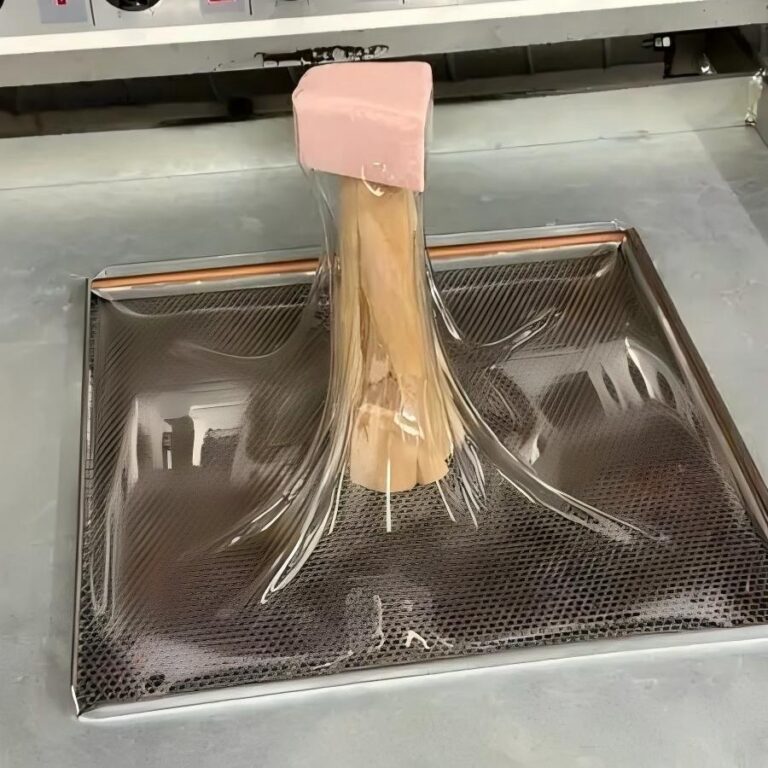
Heating is the single most important step in vacuum forming. Heat it too little and the sheet won’t stretch; heat it too much and you’ll scorch, thin out, or ruin the part — and risk hazardous fumes. This guide gives clear, usable steps you can apply whether you’re working at a hobby bench or a small shop, plus safety checks and quick troubleshooting so you waste less material and get repeatable results.

Vacuum forming Looks Simple—Heat A Sheet, Stretch It Over A Mold, Cool It—But The Real Work Happens In The Material. The Choice Of Polymer Dictates Strength, Surface Finish, Weathering, Cost, How The Sheet Stretches Around Tight Corners, And What Post-Processes (Painting, Bonding, Plating) Will Work.
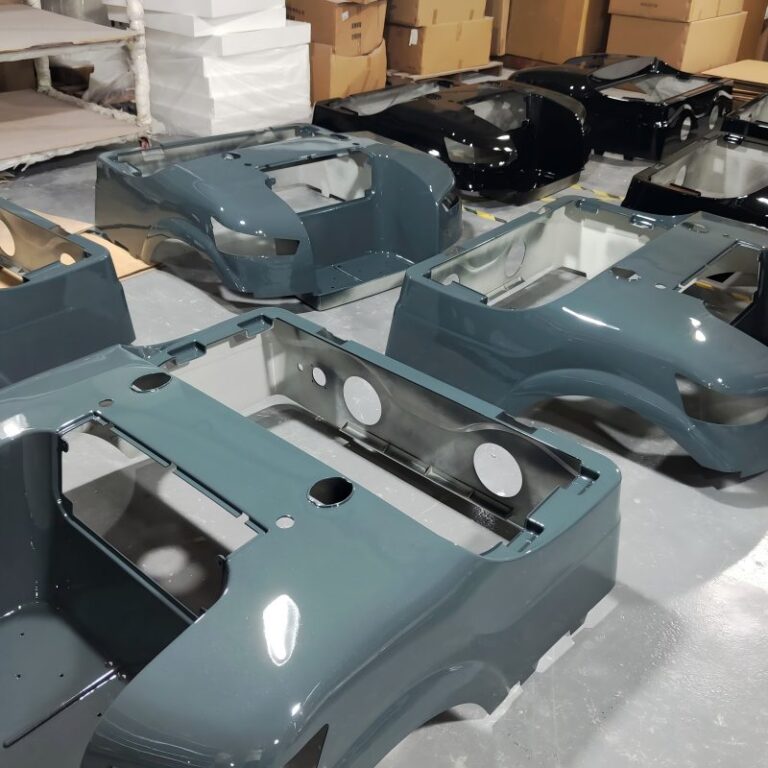
The development of thermoformed products in the automotive industry is evolving towards lightweighting, environmental friendliness, and high personalization. The expansion of the new energy vehicle market will further enhance the application value of vacuum forming technology due to the increasing demand for lightweight components.
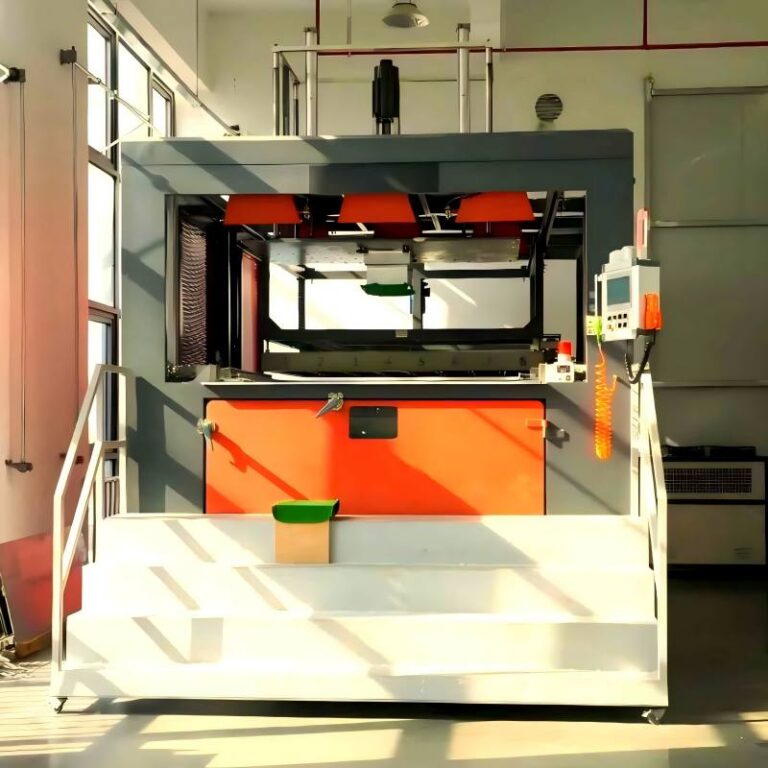
This article aims to deeply analyze six key factors affecting vacuum forming: sheet material performance and selection, heating process control, vacuum and pressure systems, mold design and temperature management, cooling process optimization, and process parameter coordination and intelligent control.
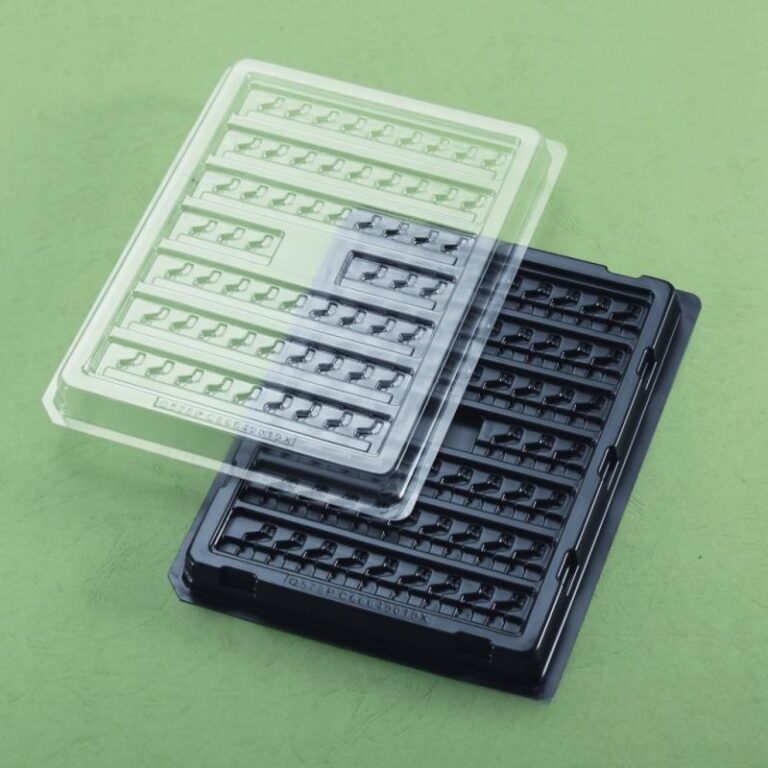
Plastic thermoforming is a core process in packaging, displays, and light industrial parts — and PET family materials (PET, PETG, APET) are among the most commonly used sheets. They’re prized for clarity, strength, and food-contact performance, but each variant behaves differently in the oven and at the tooling.

Vacuum forming is deceptively familiar: the plastic clamshell that holds your headphones, the curvy dash panel in a car, the glossy point-of-sale display in a shop window. It’s a fast, relatively low-cost way to turn flat plastic sheet into three-dimensional parts.
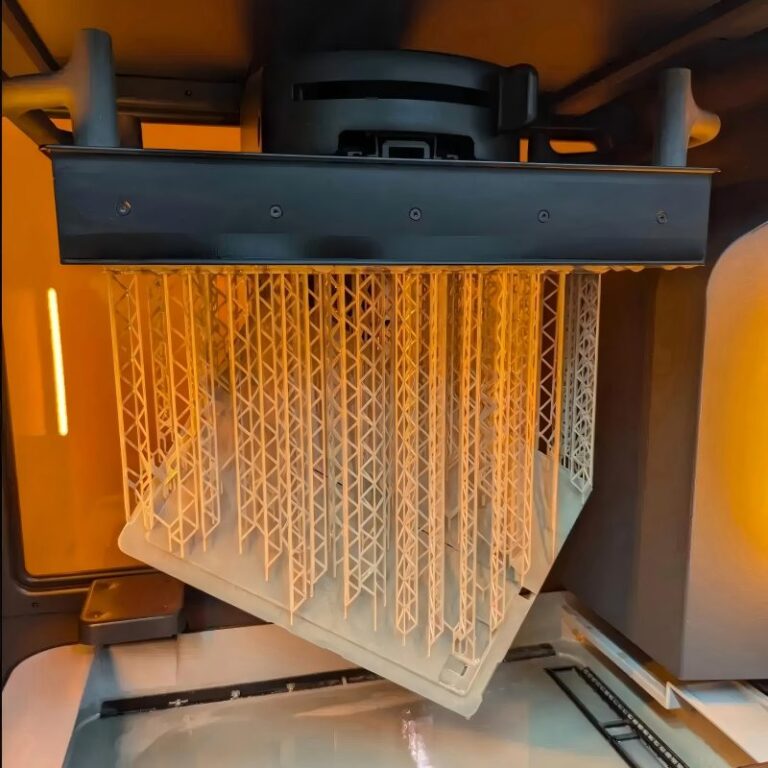
In reality, vacuum forming and thermoforming are not beginner processes — they are forgiving processes. That distinction matters.

TKP Plastic is China's leading provider of vacuum forming solutions. We are defined by our commitment to innovation, uncompromising quality, and total customer satisfaction. Our expertise enables us to deliver projects that excel in cost-effectiveness, intricate design, and sustainable manufacturing. Partner with TKP to bring your vision to life with precision and reliability.