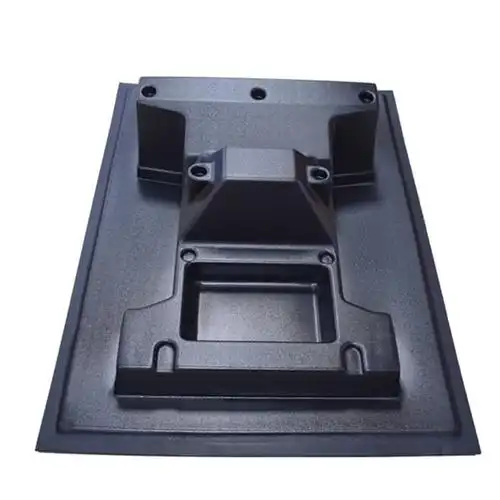
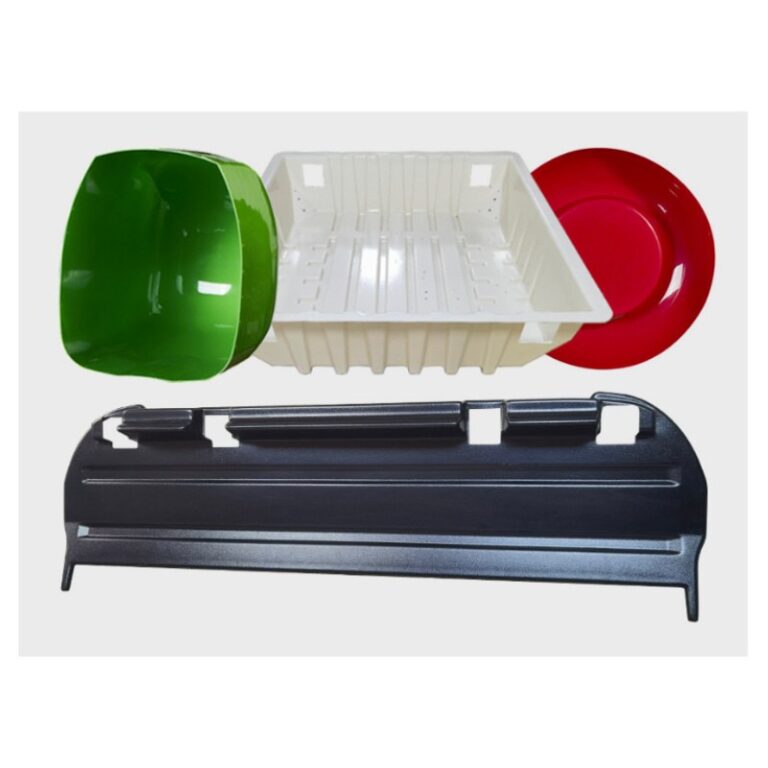
Talk to Our Engineer, Get a Solution in 20 minutes
Our engineers are the expert in vacuum forming products, you can let them know any requirements and specific demands, then they work out the solution soonest and send back it for free.

Short description:
A straightforward, human-first guide to picking ABS or acrylic — with real-world checks, quick tests, and design tradeoffs made painless.
Short description:
A plain-language snapshot to match function (toughness vs. clarity) to the right material and process.
Pick ABS when you want a part that survives drops, machining, and assembly. Pick acrylic (PMMA) when you need glass-like clarity and a glossy finish that lasts outdoors. Sounds simple — and often it is — but the devil’s in the details: forming windows, how you join parts, what cleaners the product will see, and whether you’ll coat or laminate later.
Short description:
Why ABS is the usual choice when parts must take abuse, be machined, or be finished.
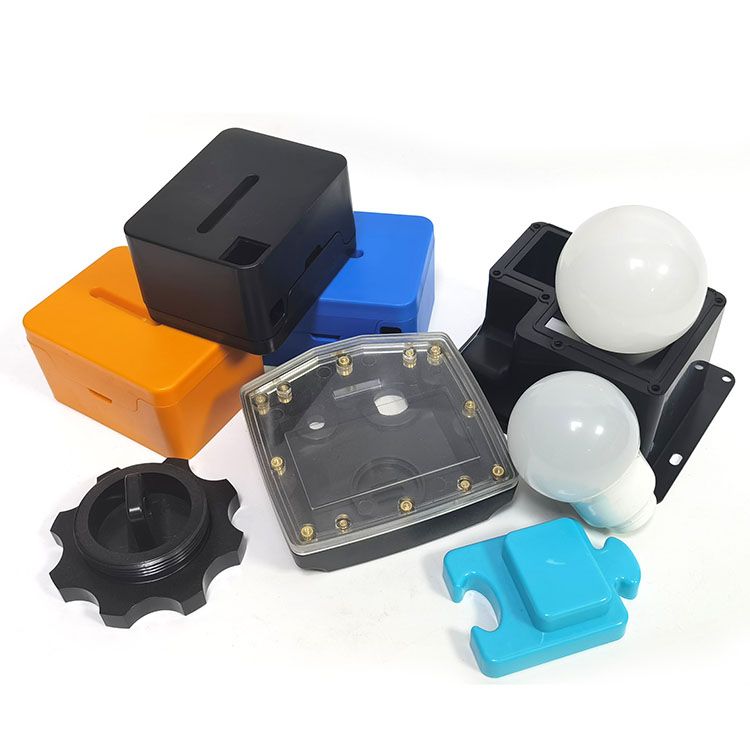
Think of ABS as a practical, forgiving material. It bends a little, it takes a hit, and you can paint or machine it afterward without drama. Those traits make it great for housings, bezels, and structural pieces that get handled a lot.
Practical rule:
If your part sees routine drops or needs threaded bosses, start with ABS.
Thermal note:
Expect useful service roughly from −40 °C up to around +75 °C for many grades — plan for expansion and thermal stress.
Forming tip:
Thermoforming ABS is forgiving, but thicker sheets may need pre-drying to avoid bubbles and achieve better draw distribution.
Finish & assembly:
Ultrasonic welding, mechanical fastening, painting, and plating are all friendly with ABS.
When ABS can fail:
It yellows and becomes brittle faster than acrylic in direct sun unless you use UV-stabilized grades or coatings. If the part will live outdoors uncoated for years, check alternatives.
Short description:
Why acrylic is the go-to when light transmission, gloss, and outdoor appearance are top priorities.
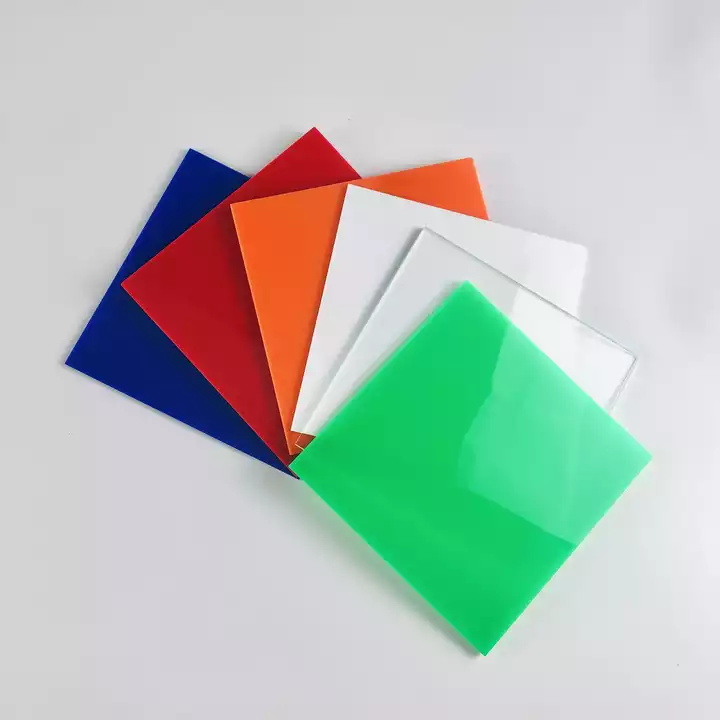
Acrylic looks and behaves a lot like glass — minus the weight and with better shatter resistance in many cases. It keeps excellent clarity and polish, and UV-stabilized grades maintain color and gloss for long-term outdoor use.
Optics rule:
When color fidelity and light diffusion matter (think backlit signage or display windows), start with PMMA.
Forming note:
PMMA can be thermoformed with excellent clarity, but the process window is narrower than ABS — temperature control matters.
Mechanical tradeoff:
It’s stiffer than ABS but also more brittle. Blunt impact can cause cracking unless you choose impact-modified grades or add structural backing.
When PMMA can fail:
Use caution if the part will be repeatedly struck or dropped — PMMA cracks more readily than ABS unless modified.
Short description:
Where ABS wins in the field — durability, finishing, and assembly advantages.
These are cases where opacity and post-process finishing are acceptable tradeoffs for toughness.
Short description:
Where acrylic’s visual qualities and weather resistance make the difference.
If the surface is the product — the part customers see or touch — acrylic often delivers the perceived quality designers want.
Short description:
A practical checklist and quick tests to avoid common traps.
Mechanical loads & impact
Quick test: Build a representative drop test or Izod coupon using your actual geometry, not just a flat sample.
Optical needs
Quick test: Measure transmission and haze, or visually compare against glass under real product lighting.
UV & outdoor exposure
Choose UV-stabilized PMMA for long outdoor life. For ABS, consider ASA or protective coatings.
Joining & assembly
Design snap-fits and fasteners for ABS. For PMMA, plan solvent-cement joints or low-stress mechanical fastening to avoid crazing.
Manufacturing route
Thermoforming: ABS is forgiving; PMMA needs tighter control. Injection molding: Both work, but gate design and cooling differ.
Cost & lifecycle
Don’t shop by cost per kilogram alone. PMMA can reduce assemblies or finishing steps and lower total system cost.
Chemical & cleaning environment
Run simple soak tests with real cleaners and adhesives on representative parts early.
Short description:
Tactical hybrid ideas and coatings that deliver the best of both worlds.
PMMA-capped ABS:
Co-extruded sheets with a glossy optical face and a tough structural back — ideal for displays.
Hardcoats:
Anti-scratch and UV coatings extend life and reduce maintenance.
Material swaps:
Use ASA instead of ABS for outdoor-facing parts, or impact-modified PMMA when clarity must stay.
Join strategy:
Avoid high-torque fasteners through PMMA. Use bonded joints, captive screws, or insert-molded backers.
These aren’t theoretical — they’re proven system-level decisions that reduce field failures.
Short description:
A small test set that catches most surprises.
Run these early. It’s cheaper to fail a prototype than a tooling run.
Short description:
One-line answers for fast decisions.
Short description:
Match material to what the part must do, not just price per kilogram.
Materials are tools. Pick the one that solves the real problem. If you want, upload a drawing or share environment, wall thickness, and volumes. I’ll return a plain-language DFM note with grade suggestions, tests, and finishing routes.
Short description:
Quick responses to the questions engineers ask first.
Q: Can ABS be made clear like acrylic?
A: No. Not to true optical standards. Use PMMA for glass-like clarity.
Q: Which is better outdoors?
A: Acrylic, especially UV-stabilized grades, usually keeps its appearance longer.
Q: Are hybrid sheets available?
A: Yes. PMMA-faced ABS sheets are common for durable display and panel applications.

TKP Plastic is China's leading provider of vacuum forming solutions. We are defined by our commitment to innovation, uncompromising quality, and total customer satisfaction. Our expertise enables us to deliver projects that excel in cost-effectiveness, intricate design, and sustainable manufacturing. Partner with TKP to bring your vision to life with precision and reliability.