Talk to Our Engineer, Get a Solution in 20 minutes
Our engineers are the expert in vacuum forming products, you can let them know any requirements and specific demands, then they work out the solution soonest and send back it for free.

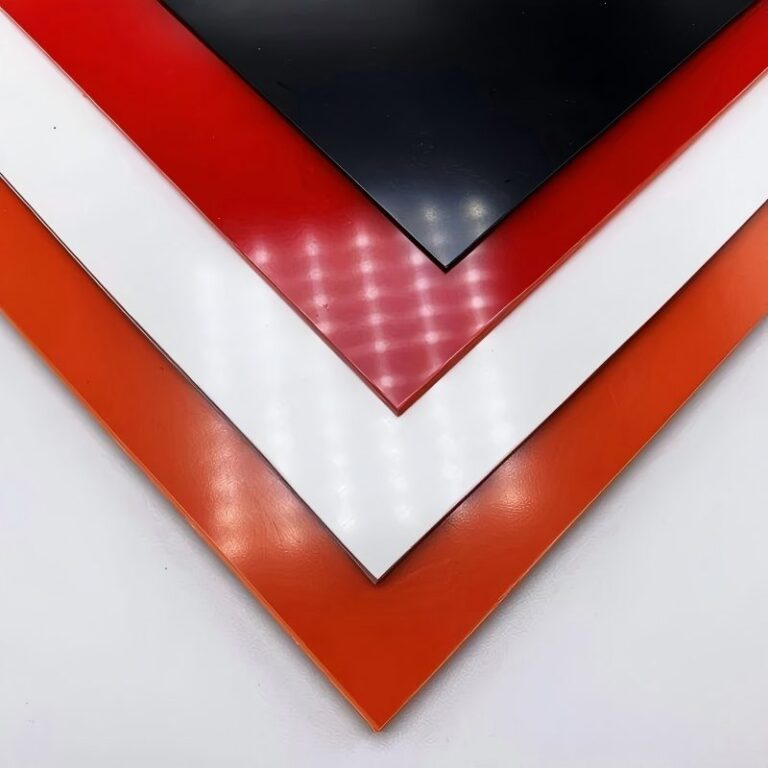
When a product needs to look good and perform well, ABS and acrylic often land on the shortlist. ABS is an engineering thermoplastic valued for impact resistance, toughness, and dimensional stability, while acrylic—polymethyl methacrylate, or PMMA—is prized for optical clarity, brilliance, and strong UV resistance.
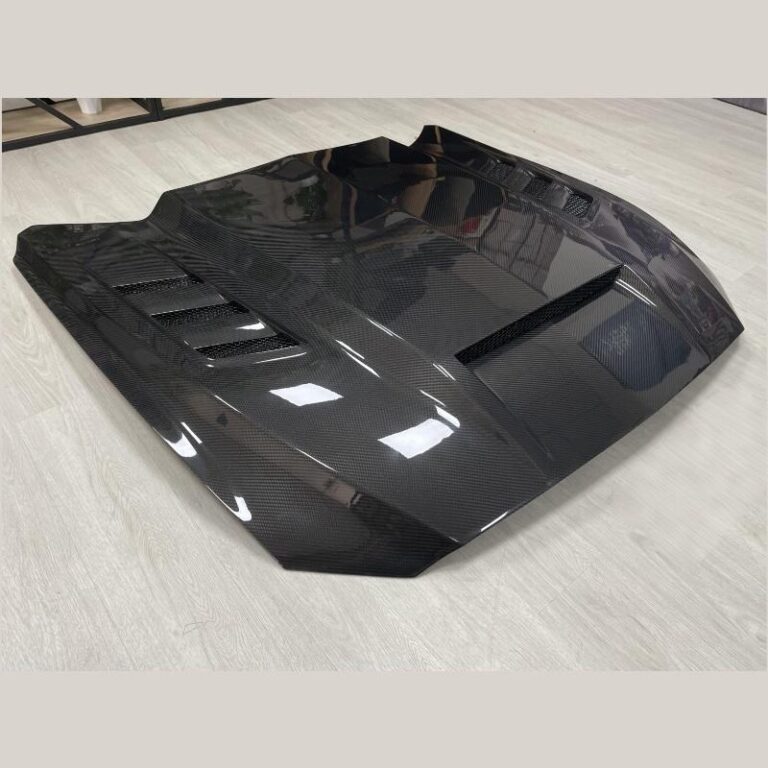
When a project starts to outgrow fiberglass, the conversation usually changes from “Can we make this?” to “Can we make it lighter, faster, and more cost-effective without losing performance?” That is where plastic thermoforming becomes a strong alternative.
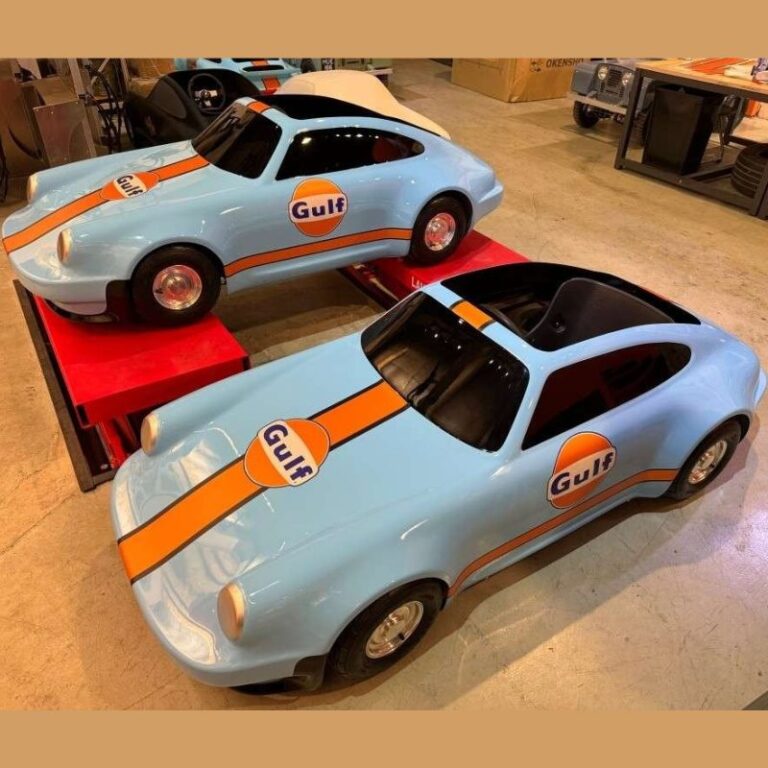
here’s a quiet misconception in manufacturing: that once a thermoformed part comes off the mold, the hard work is done.
In reality, that’s often where the product begins to matter most.
Because what customers ultimately see, touch, and judge isn’t the forming precision hidden in the geometry — it’s the surface. The way light reflects off it. The way a logo sits without distortion. The way a color feels consistent, not just correct.
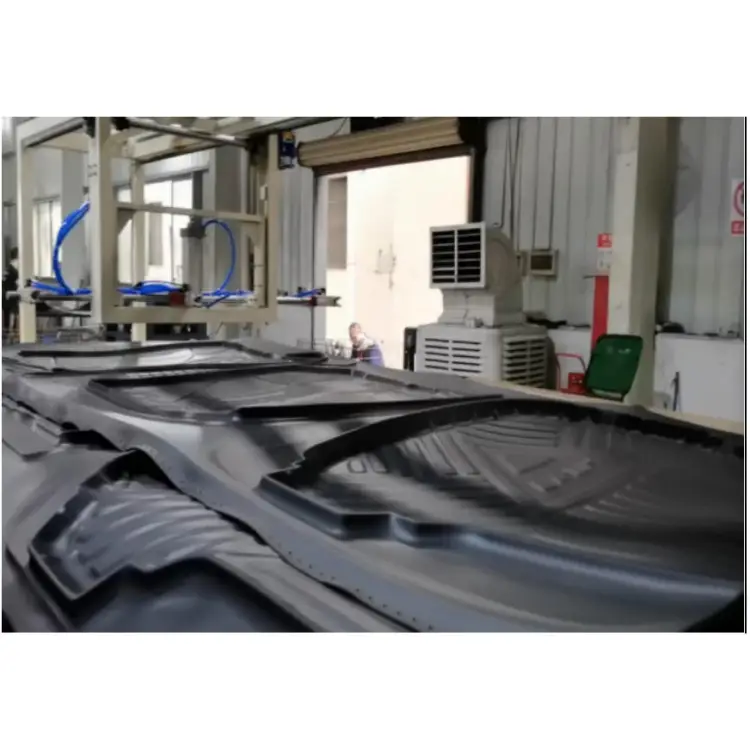
How 3D Printing Is Turning Thermoforming From Slow Gatekeeper Into Creative Accelerator Thermoforming used to be the patient workhorse of plastics: reliable, economical at scale, and quietly present in everything from vending-machine panels to niche sink liners. Today it’s learning…
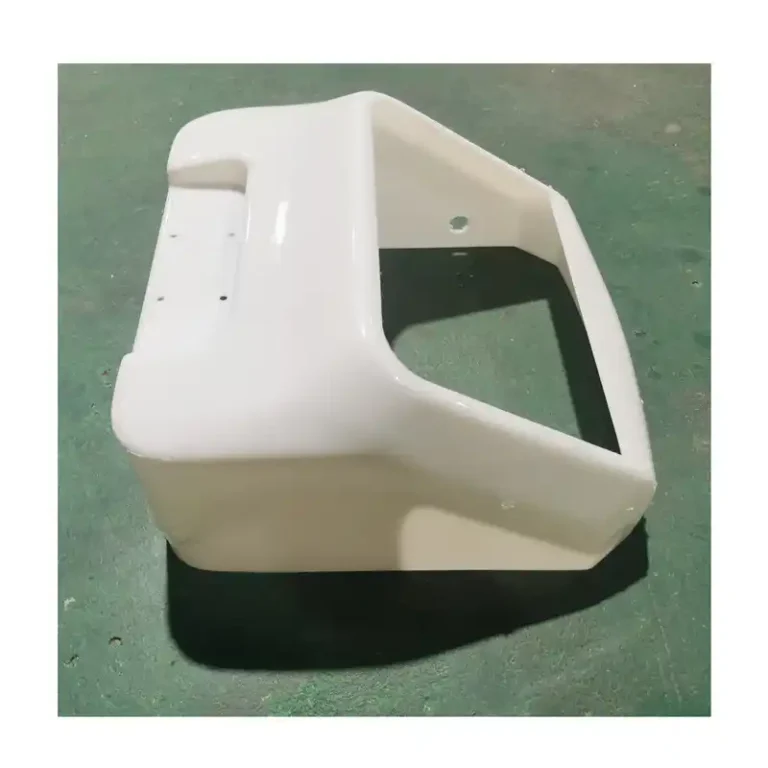
Vacuum forming composite sandwich sheets (rigid plastic skins + foam or honeycomb core) is a great way to make lightweight, stiff parts — but it brings three recurring headaches: sandwich separation (delamination), interlayer slippage, and differing thermal expansion between layers.
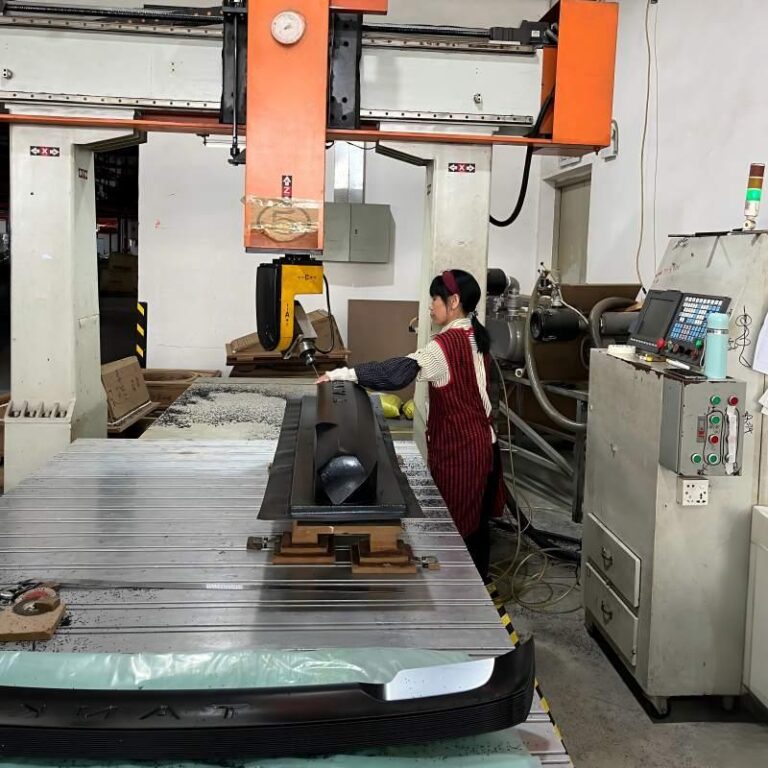
When you need custom plastic parts—anything from protective shells and bezels to display housings and trays—two processes dominate: vacuum forming (to shape the shell) and CNC cutting (to precisely trim, hole-cut, and finish). Tekaopu Plastic Combining them into a single, one-stop service removes handoffs, reduces lead time and scrap, improves tolerances, and gives you a finished part ready for assembly or sale.
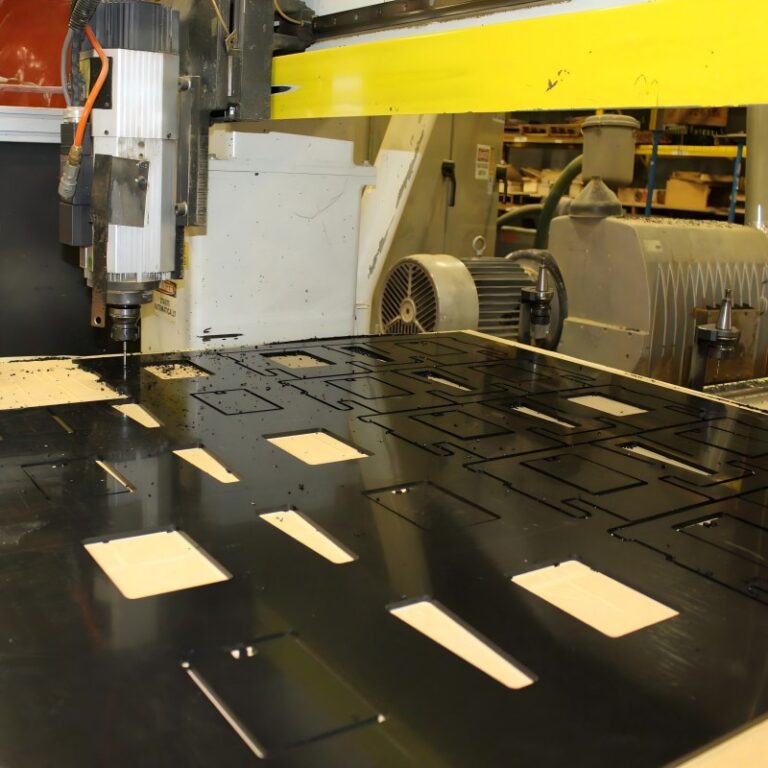
Introduction — A Plain-Spoken Look At The Finishing StepShort Description: Thermoforming Gives You Shape; CNC Gives You Use. You can heat a sheet of plastic, pull it over a mold, and get a nice-looking shell in a few minutes. But…
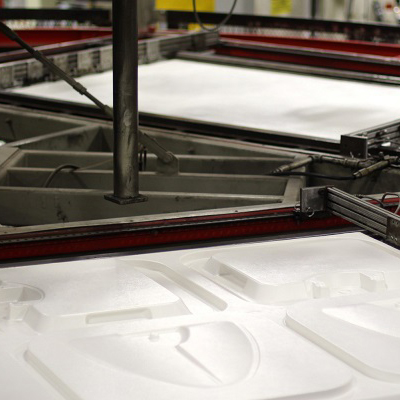
Thermoforming feels deceptively simple: heat a plastic sheet, shape it, trim it — done. But beneath that simplicity lies a rich history, iterative engineering breakthroughs, and a suite of modern techniques that make thermoformed parts ubiquitous from medical trays to automotive interiors.
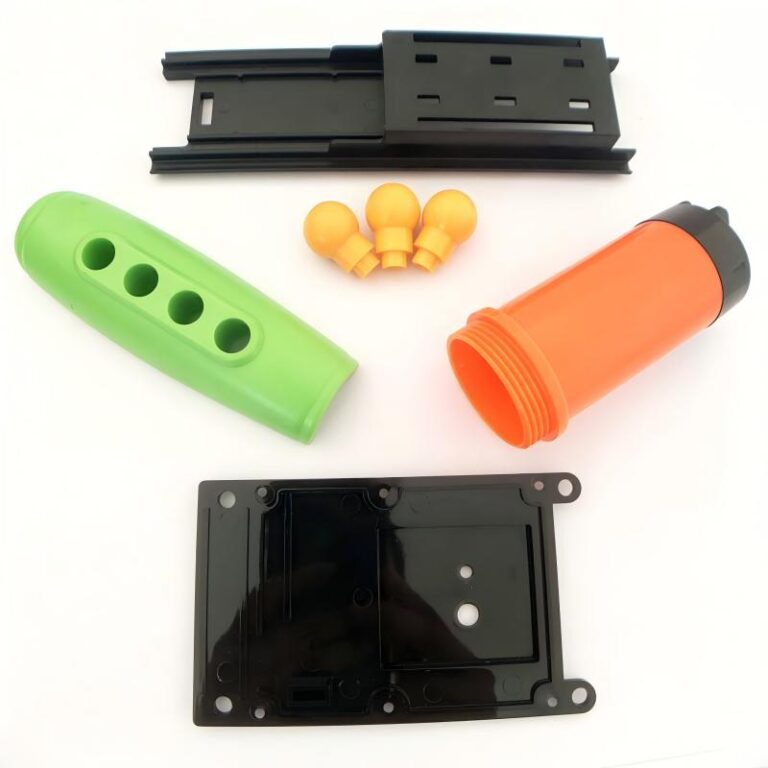
Abs and acrylic are both widely used thermoplastics, but they solve very different problems. One is built for toughness and forgiveness. The other is chosen for clarity, gloss, and visual impact. When this difference is misunderstood, the consequences often show up later—in cracked parts, yellowed surfaces, or unnecessary manufacturing costs.
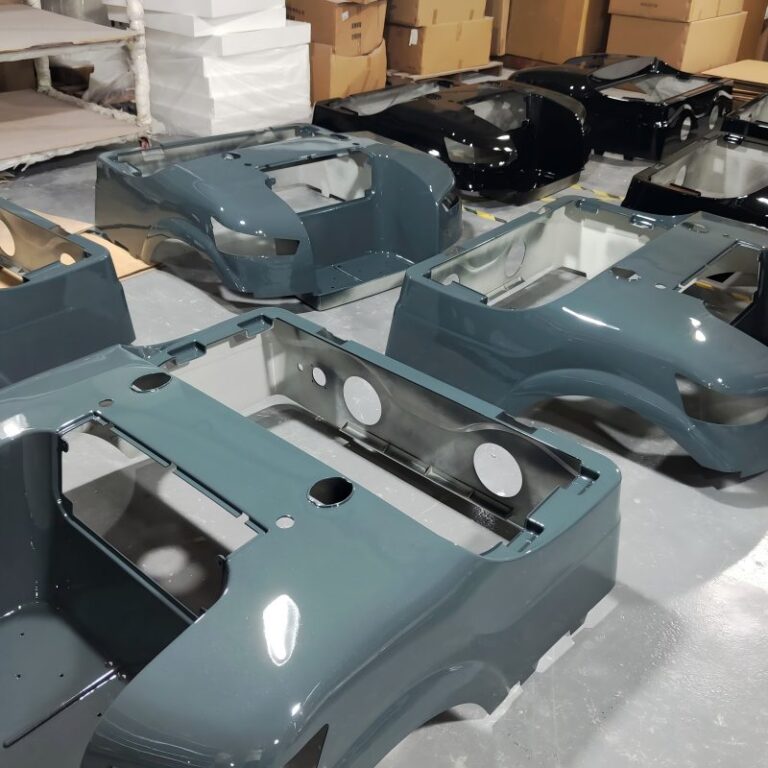
The development of thermoformed products in the automotive industry is evolving towards lightweighting, environmental friendliness, and high personalization. The expansion of the new energy vehicle market will further enhance the application value of vacuum forming technology due to the increasing demand for lightweight components.
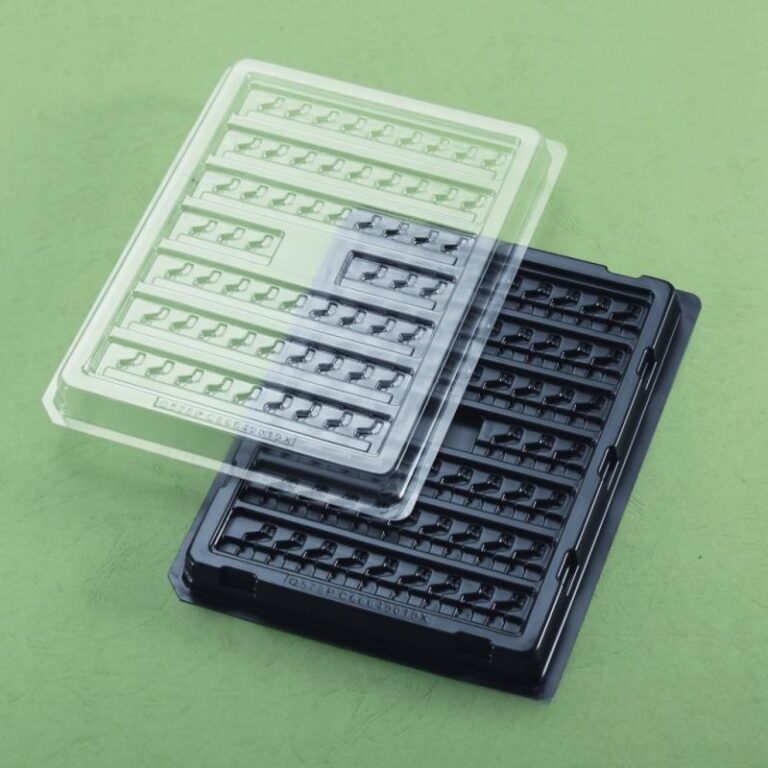
Plastic thermoforming is a core process in packaging, displays, and light industrial parts — and PET family materials (PET, PETG, APET) are among the most commonly used sheets. They’re prized for clarity, strength, and food-contact performance, but each variant behaves differently in the oven and at the tooling.
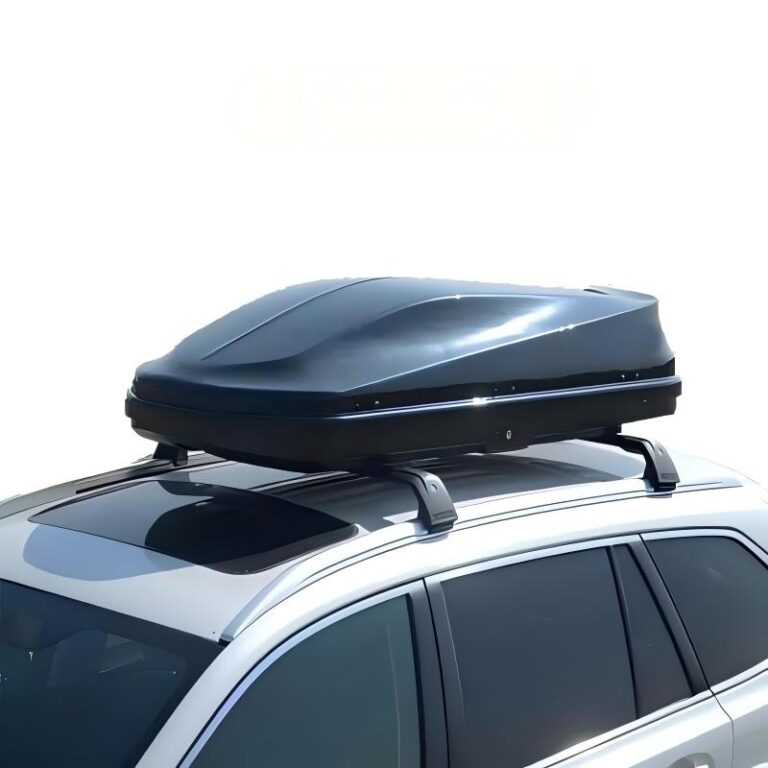
Vacuum forming is deceptively familiar: the plastic clamshell that holds your headphones, the curvy dash panel in a car, the glossy point-of-sale display in a shop window. It’s a fast, relatively low-cost way to turn flat plastic sheet into three-dimensional parts.

TKP Plastic is China's leading provider of vacuum forming solutions. We are defined by our commitment to innovation, uncompromising quality, and total customer satisfaction. Our expertise enables us to deliver projects that excel in cost-effectiveness, intricate design, and sustainable manufacturing. Partner with TKP to bring your vision to life with precision and reliability.