Talk to Our Engineer, Get a Solution in 20 minutes
Our engineers are the expert in vacuum forming products, you can let them know any requirements and specific demands, then they work out the solution soonest and send back it for free.

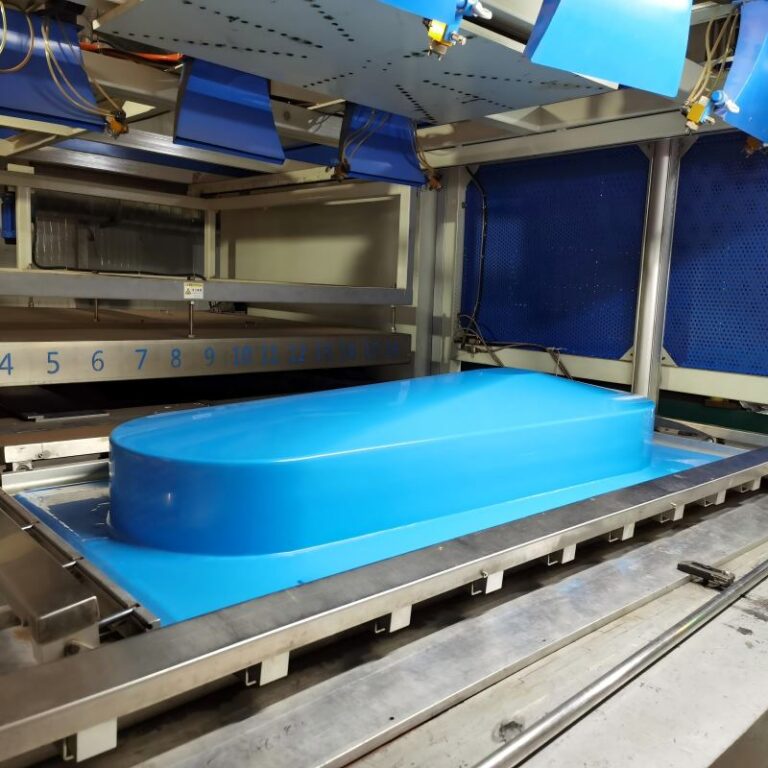
Thermoforming looks simple: heat, form, trim. But the real skill is choosing the right gauge for the job. Pick wrong, and you pay later — with warranty claims, unhappy customers, or repeated retooling. Pick right, and you save time, money, and headaches.
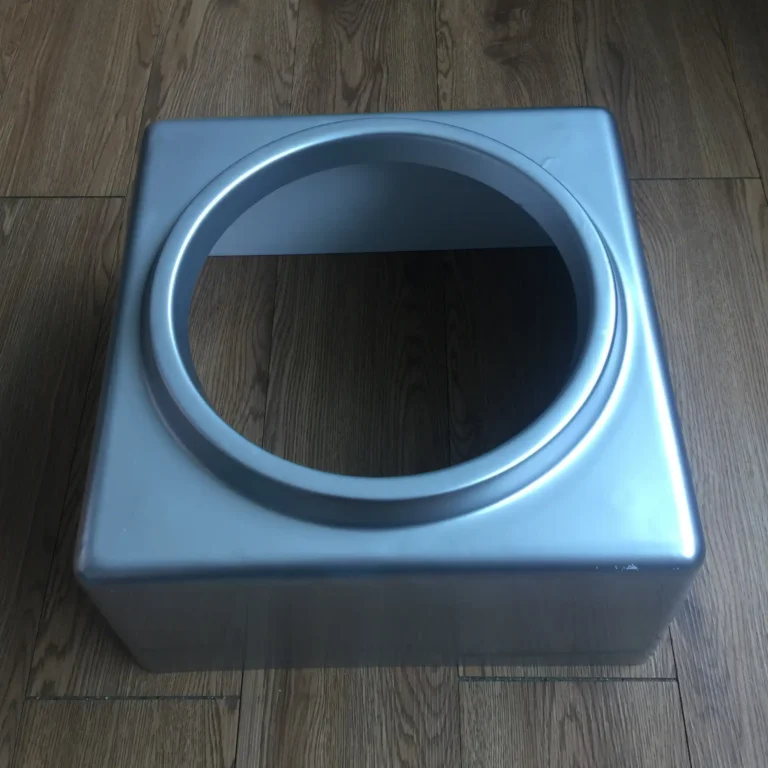
Thermoforming quietly powers millions of everyday plastic parts — from blister packs and yogurt lids to aircraft interior panels and medical trays. It’s fast, flexible, and often overshadowed by injection molding in mainstream conversations.
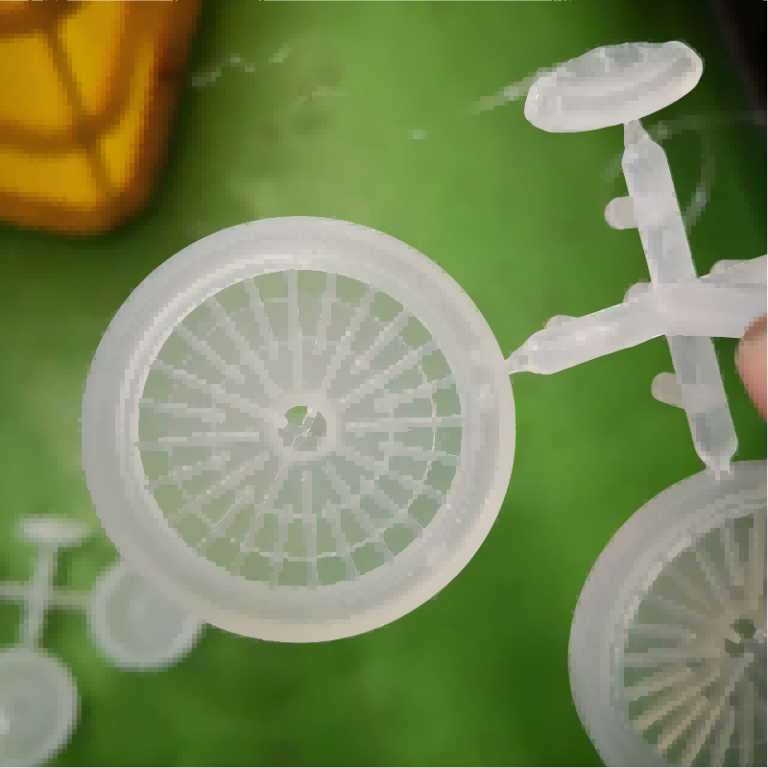
In the field of plastics processing, injection molding and plastic thermoforming are two commonly used manufacturing processes for producing precision industrial parts. The following will compare and analyze these two technologies.
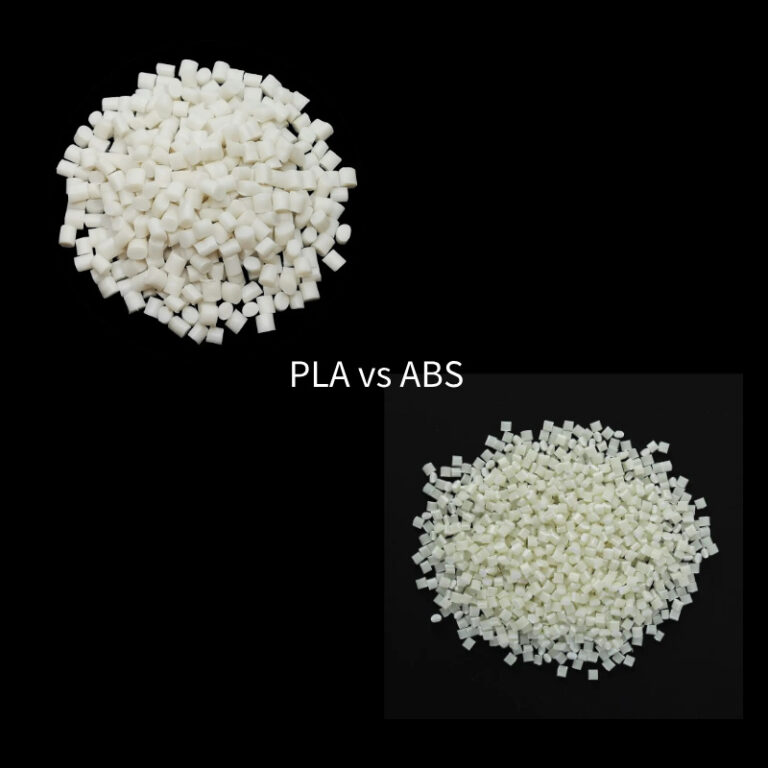
PLA and ABS excel at different things. PLA is the fast, friendly, detail-loving material that gets prototypes and pretty parts done with minimal fuss. ABS is the tougher, warmer, and more forgiving-under-stress material that performs where heat, impact and durability matter.
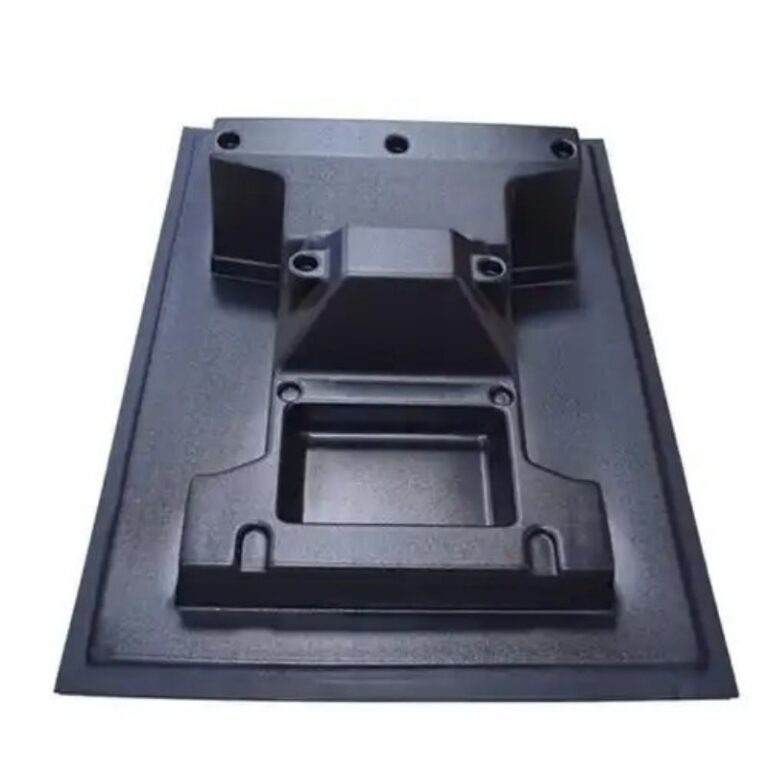
Vacuum forming is deceptively simple: heat a thermoplastic sheet, drape it over a mold, pull a vacuum, and you have a formed part. The choice of mold, however, determines surface quality, cycle time, repeatability, cost, and whether you can scale from prototype to production.
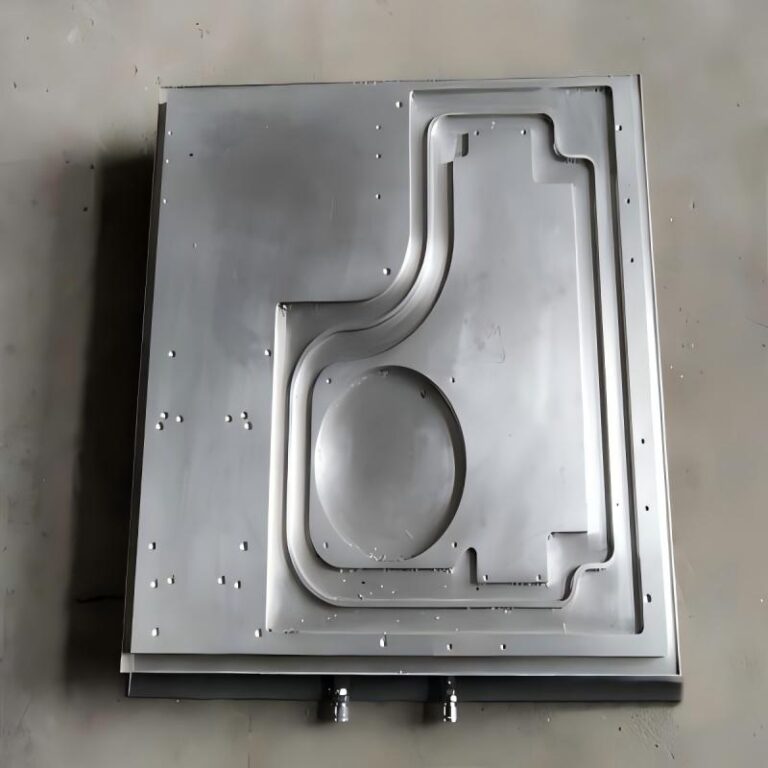
Vacuum forming is deceptively simple: heat a plastic sheet until soft, pull it over a mold, and use a vacuum to make the sheet hug the shape. What sounds like “heat and suck” actually gives teams a powerful mix of speed, scale and flexibility — if you design around the process.
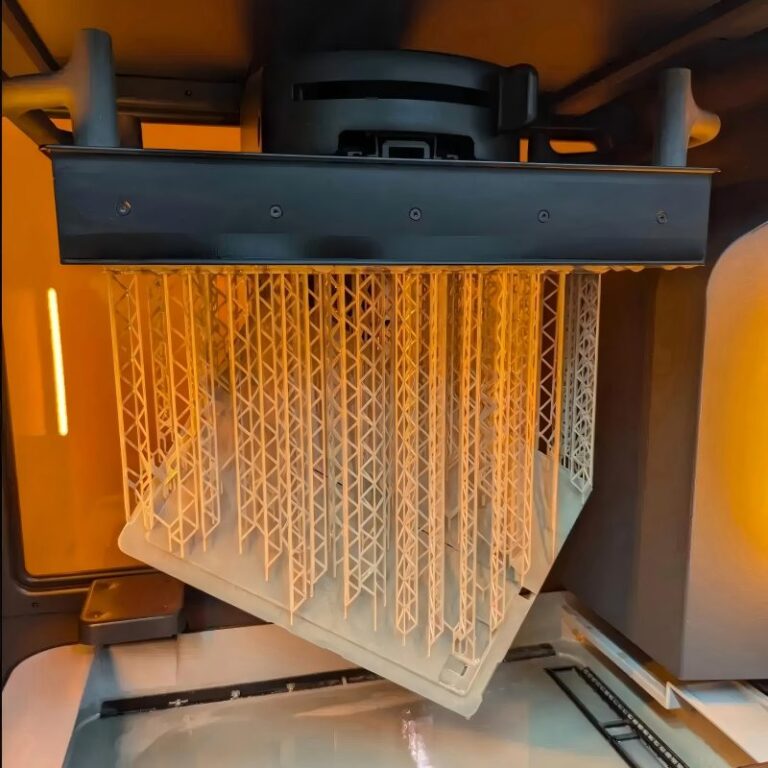
3D printing gives you the freedom to iterate geometry quickly; vacuum forming produces production-like thin shells and finishes. Together, they let teams validate earlier, cheaper, and more convincingly than with printed parts alone.
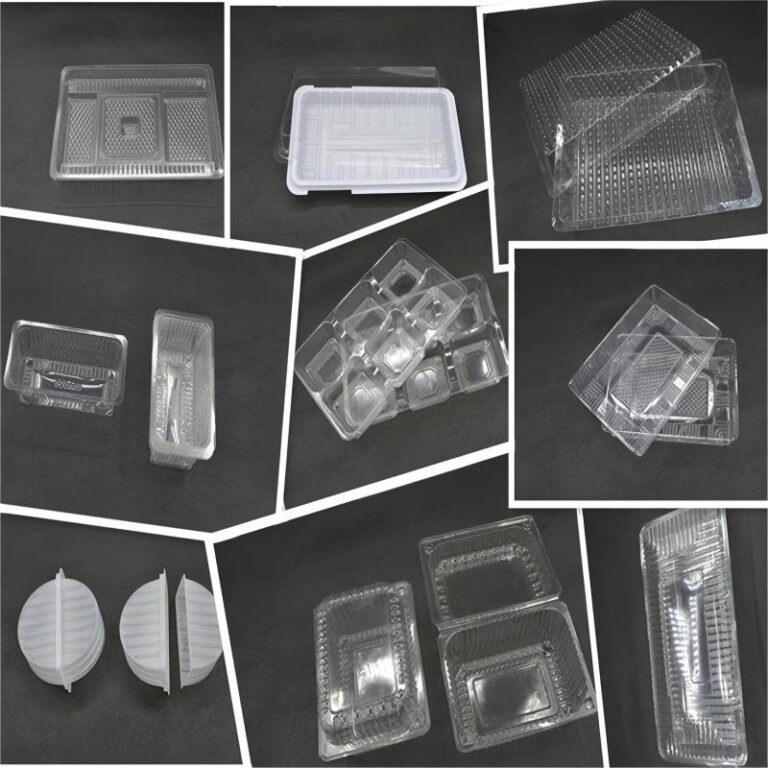
Vacuum forming remains one of the most cost-effective, fast, and flexible ways to turn thermoplastic sheets into protective, attractive packaging. This guide goes deeper than a product brochure — you’ll get practical design rules, material selection tradeoffs, manufacturing strategies, regulatory checkpoints (especially for medical and food use)
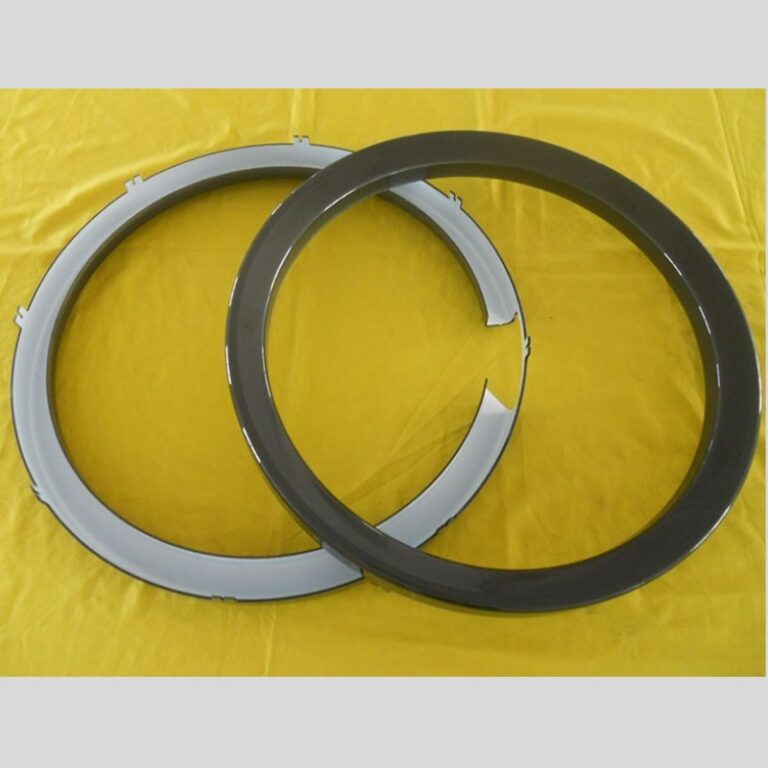
Can acrylic be vacuum formed? Yes — reliably, but only if you respect its personality. Acrylic (PMMA) rewards careful heating, controlled stretching, and post-process annealing with spectacular clarity and UV stability.
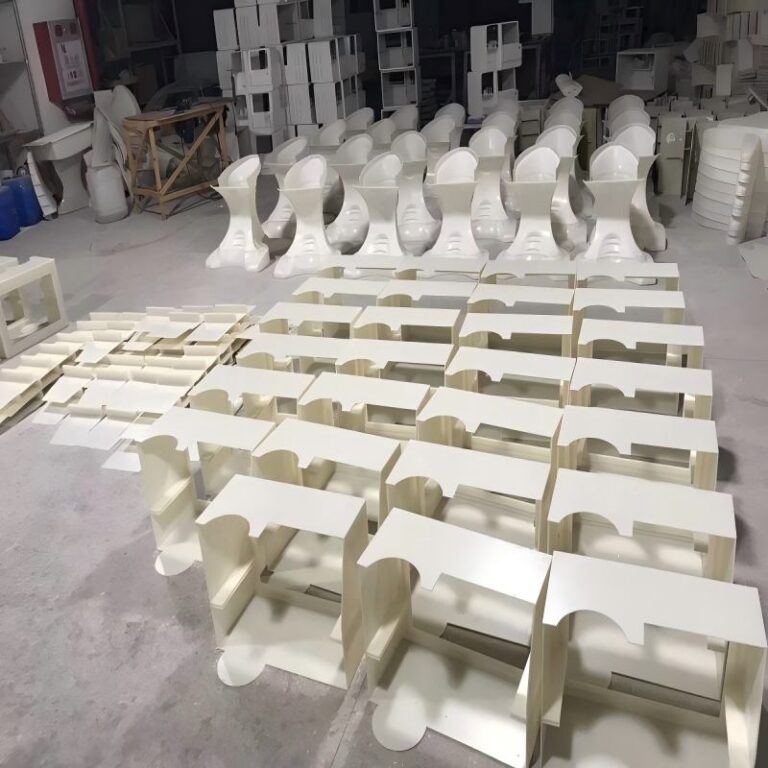
Let's check the 12 vacuum forming plastic manufacturers you should know in 2026: established pioneers, regional specialists, and several emergent players that are shaping how vacuum-formed parts are designed, produced and recycled.
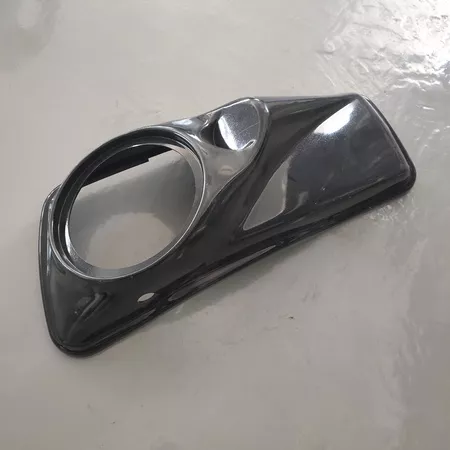
Vacuum forming is not a perfectly controlled science experiment. Tools age. Operators make judgment calls. Customers change their minds halfway through a project. ABS survives all of that.
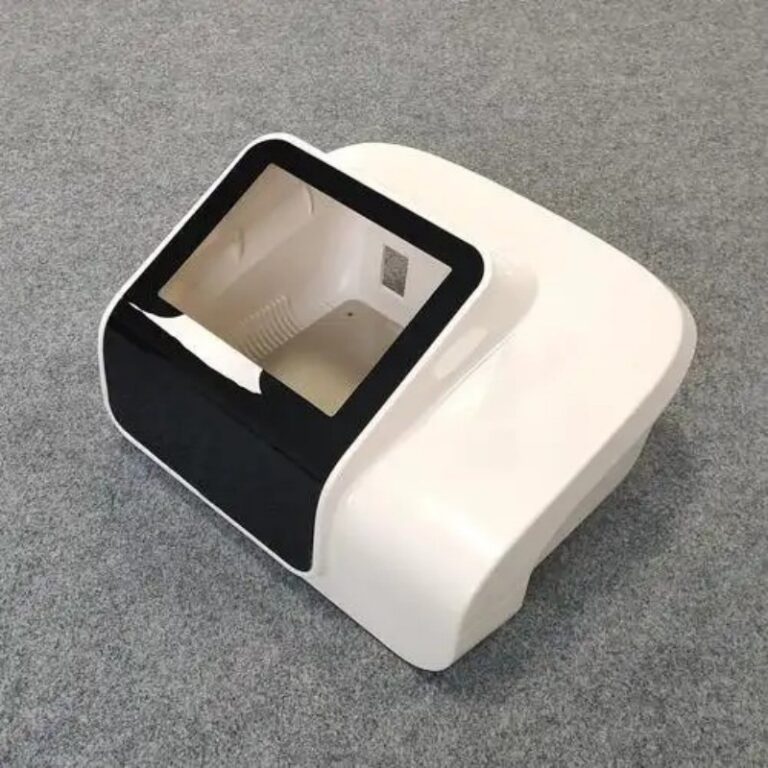
Vacuum forming looks simple: heat a sheet, pull a vacuum, and out pops a shape. But the real work is choosing the right plastic for the job — the choice that prevents a ruined tool run, patchy paint adhesion.

TKP Plastic is China's leading provider of vacuum forming solutions. We are defined by our commitment to innovation, uncompromising quality, and total customer satisfaction. Our expertise enables us to deliver projects that excel in cost-effectiveness, intricate design, and sustainable manufacturing. Partner with TKP to bring your vision to life with precision and reliability.