Talk to Our Engineer, Get a Solution in 20 minutes
Our engineers are the expert in vacuum forming products, you can let them know any requirements and specific demands, then they work out the solution soonest and send back it for free.


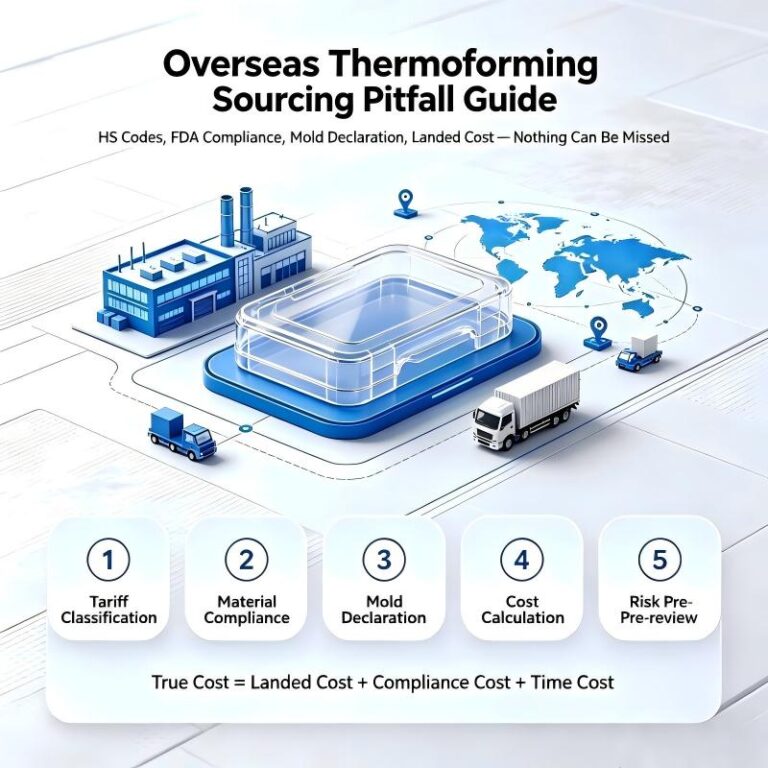
So you've decided to source your vacuum forming (thermoforming) parts from overseas — and more likely than not, from China, the world's largest plastics manufacturing hub.
That decision opens up cost advantages and access to advanced manufacturing capabilities. But it also introduces a complex web of cross-border compliance requirements that many procurement professionals underestimate.
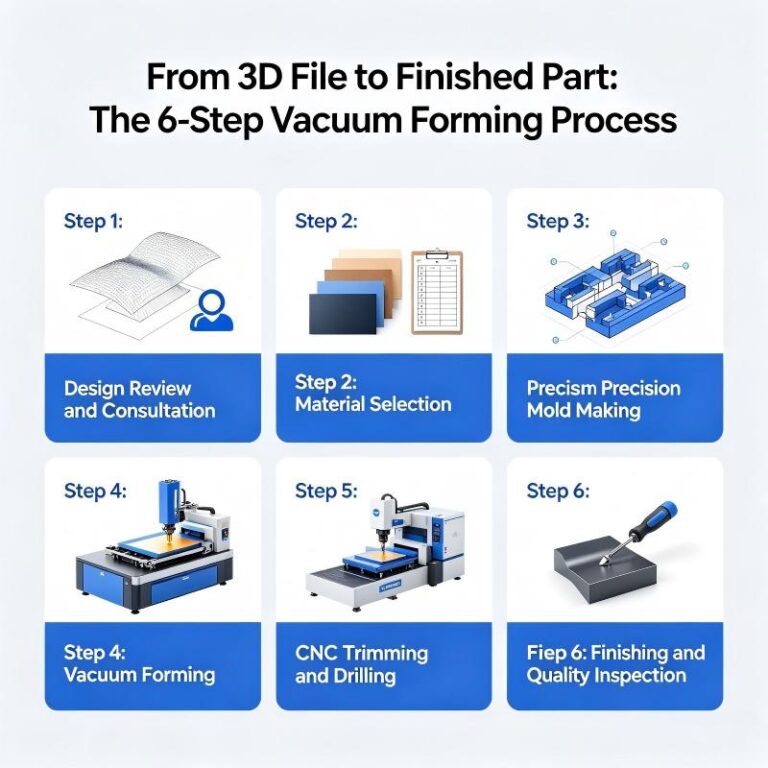
You have a 3D design. You know the part you need. But the gap between a digital file and a physical, production-ready plastic component can feel like a black box—especially when you are sourcing from overseas.
That uncertainty costs time and creates hesitation. At TKP Plastic, we believe transparency is the foundation of trust.
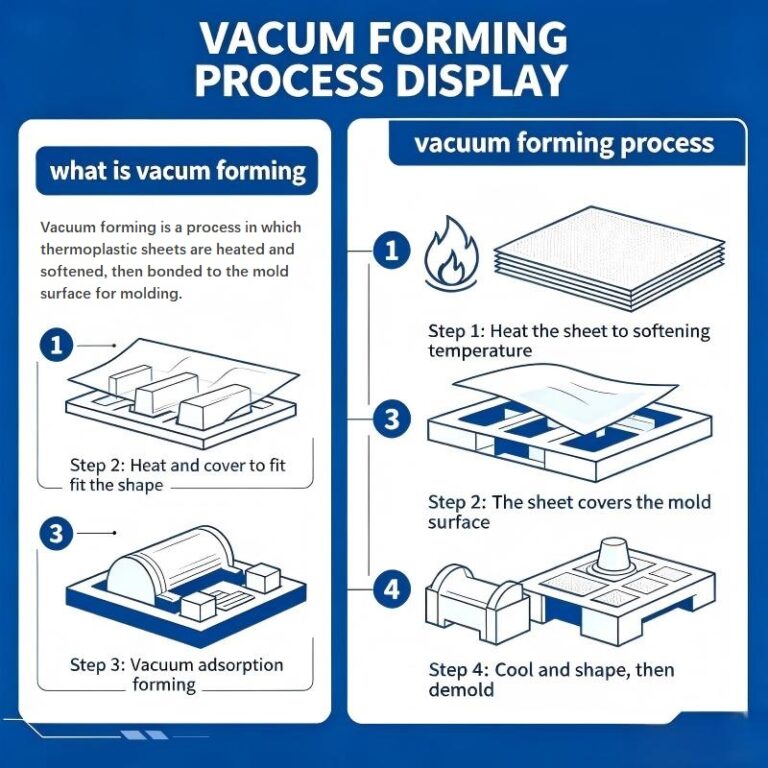
Vacuum‑formed products are everywhere. The bathtub you use every day, the inner liner of your refrigerator, your car’s dashboard, even the plastic tray that holds your strawberries – chances are, they all come from the same process: vacuum forming.
But do you really understand this process? How does it differ from injection moulding? What kinds of parts are suitable for vacuum forming? How much does a mould cost? How long is the lead time?

When people compare injection molding and plastic thermoforming, they often start with price. That is usually the wrong first question.
Price matters, of course. But in real projects, part size can quietly decide everything else: tooling cost, lead time, machine requirements, risk, and whether a design is worth locking in early. A small part and a large part may look similar on paper, but they do not behave the same way in production.

When a product needs to look good and perform well, ABS and acrylic often land on the shortlist. ABS is an engineering thermoplastic valued for impact resistance, toughness, and dimensional stability, while acrylic—polymethyl methacrylate, or PMMA—is prized for optical clarity, brilliance, and strong UV resistance.
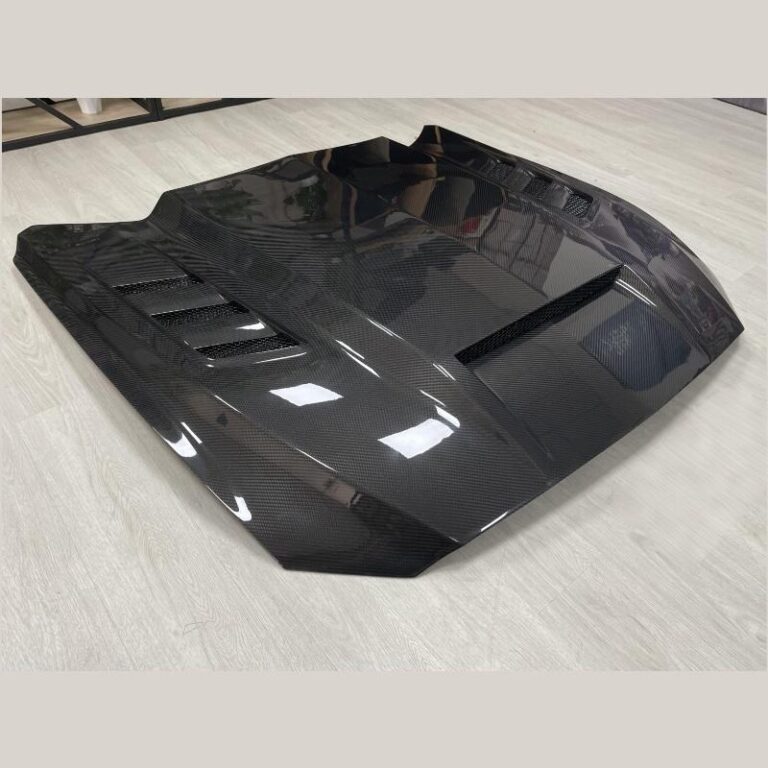
When a project starts to outgrow fiberglass, the conversation usually changes from “Can we make this?” to “Can we make it lighter, faster, and more cost-effective without losing performance?” That is where plastic thermoforming becomes a strong alternative.
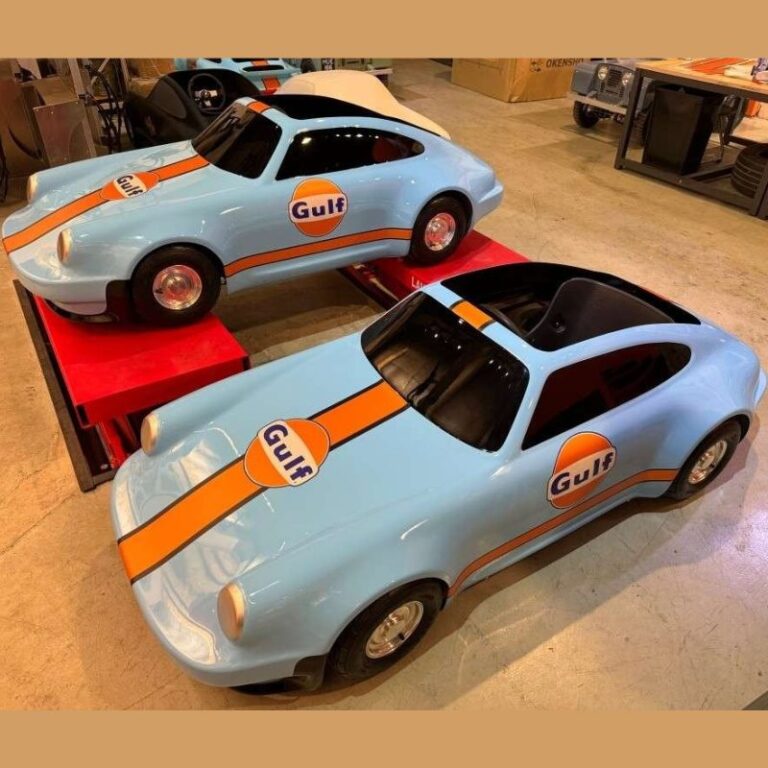
here’s a quiet misconception in manufacturing: that once a thermoformed part comes off the mold, the hard work is done.
In reality, that’s often where the product begins to matter most.
Because what customers ultimately see, touch, and judge isn’t the forming precision hidden in the geometry — it’s the surface. The way light reflects off it. The way a logo sits without distortion. The way a color feels consistent, not just correct.
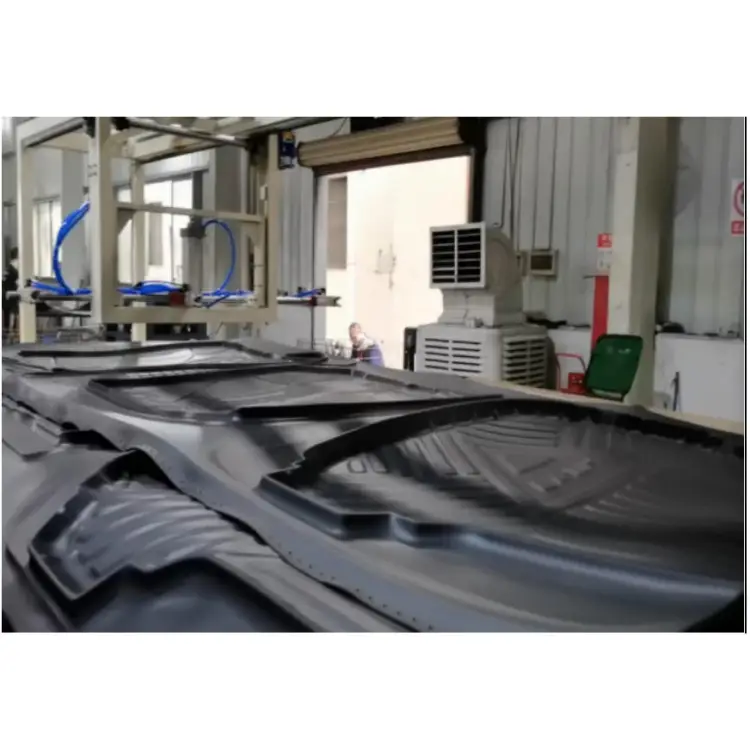
How 3D Printing Is Turning Thermoforming From Slow Gatekeeper Into Creative Accelerator Thermoforming used to be the patient workhorse of plastics: reliable, economical at scale, and quietly present in everything from vending-machine panels to niche sink liners. Today it’s learning…
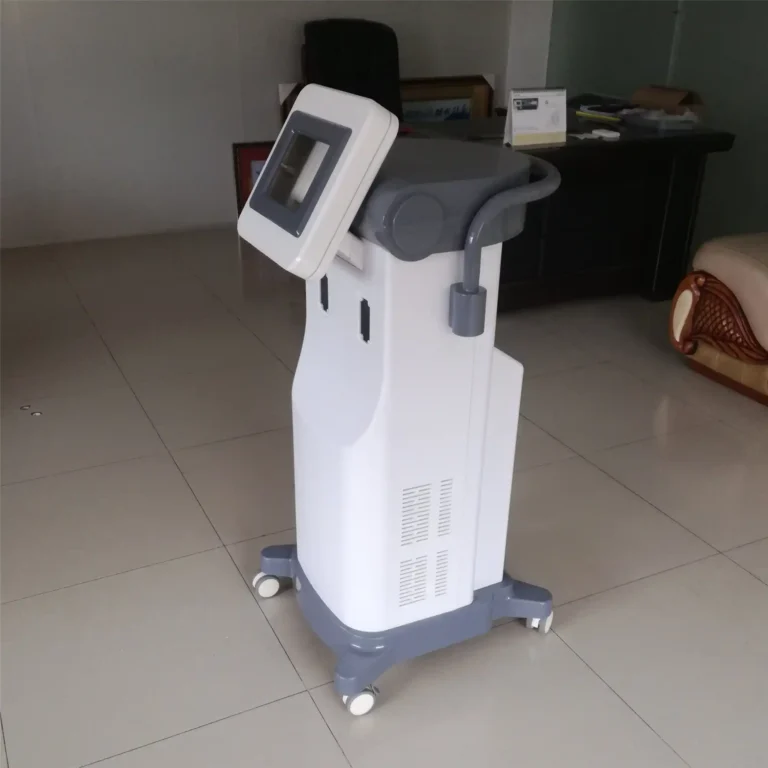
In the field of medical device manufacturing, while the focus is on high-precision injection molding or cutting-edge 3D printing, plastic vacuum/thermoforming technology is often considered a "traditional" process. However, with the rapid advancements in materials science and automation technology, thermoforming technology is redefining the manufacturing standards for medical devices and sterile packaging with its perfect balance of design flexibility, cost-effectiveness, and production efficiency.
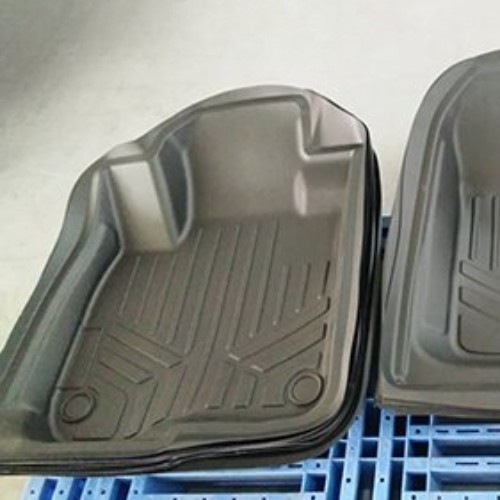
Automotive manufacturing is not just about making parts — it’s about balancing weight, cost, speed, and risk. For large components such as trunk liners, underbody shields, bumper cores, and interior structural panels, traditional processes often force painful trade-offs. Thick sheet thermoforming exists in that strategic middle ground where engineering practicality meets financial realism.
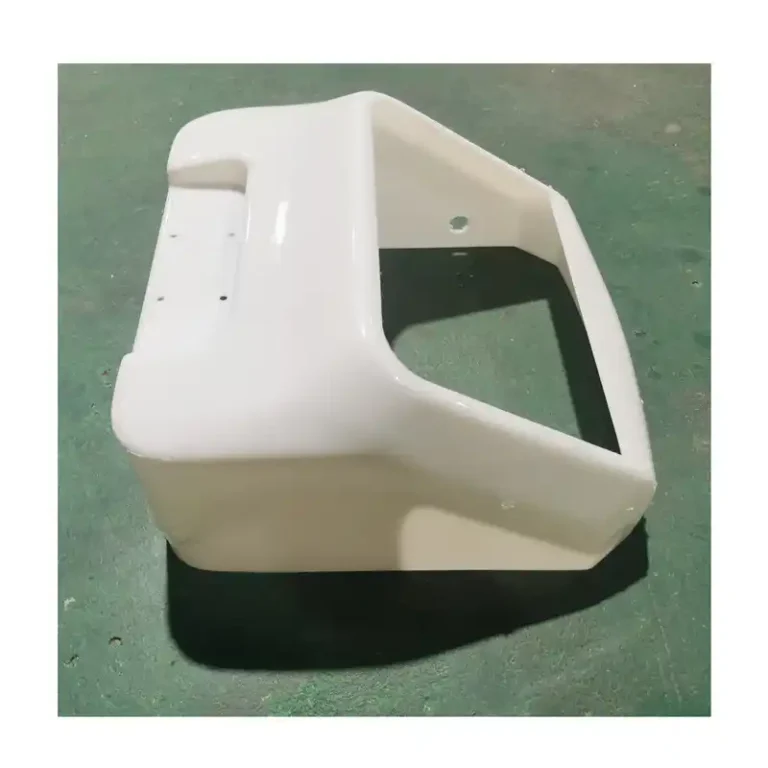
Vacuum forming composite sandwich sheets (rigid plastic skins + foam or honeycomb core) is a great way to make lightweight, stiff parts — but it brings three recurring headaches: sandwich separation (delamination), interlayer slippage, and differing thermal expansion between layers.
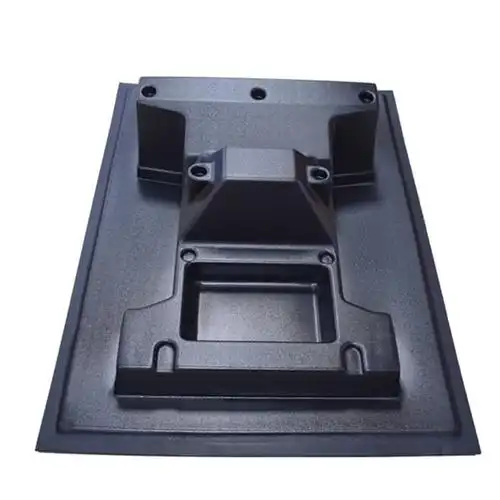
A practical guide for engineers and production managers that explains five core ABS thick-sheet forming problems, shows evidence and tests, and gives clear, actionable fixes to reduce defects and improve first-pass yield.

TKP Plastic is China's leading provider of vacuum forming solutions. We are defined by our commitment to innovation, uncompromising quality, and total customer satisfaction. Our expertise enables us to deliver projects that excel in cost-effectiveness, intricate design, and sustainable manufacturing. Partner with TKP to bring your vision to life with precision and reliability.