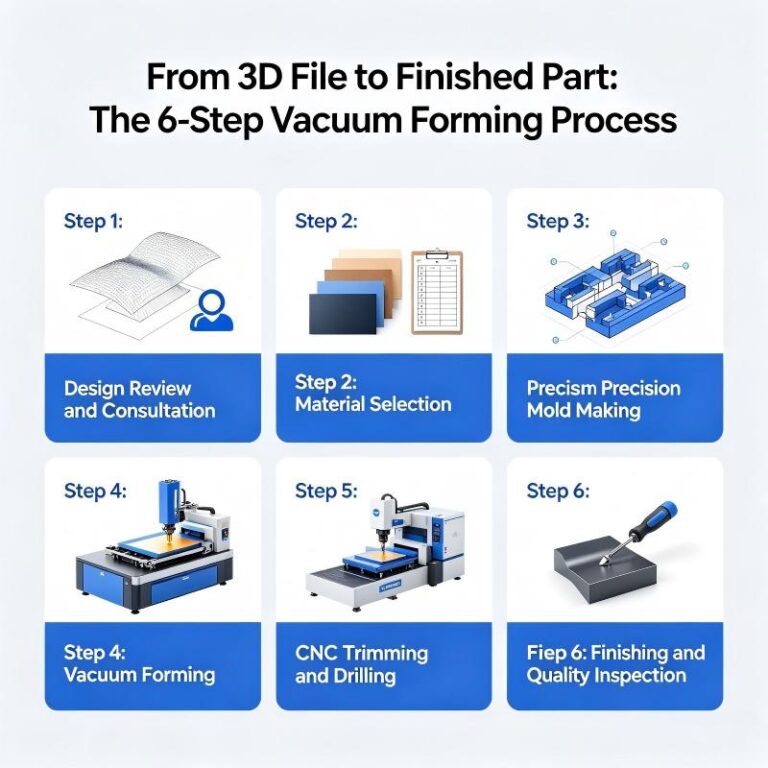
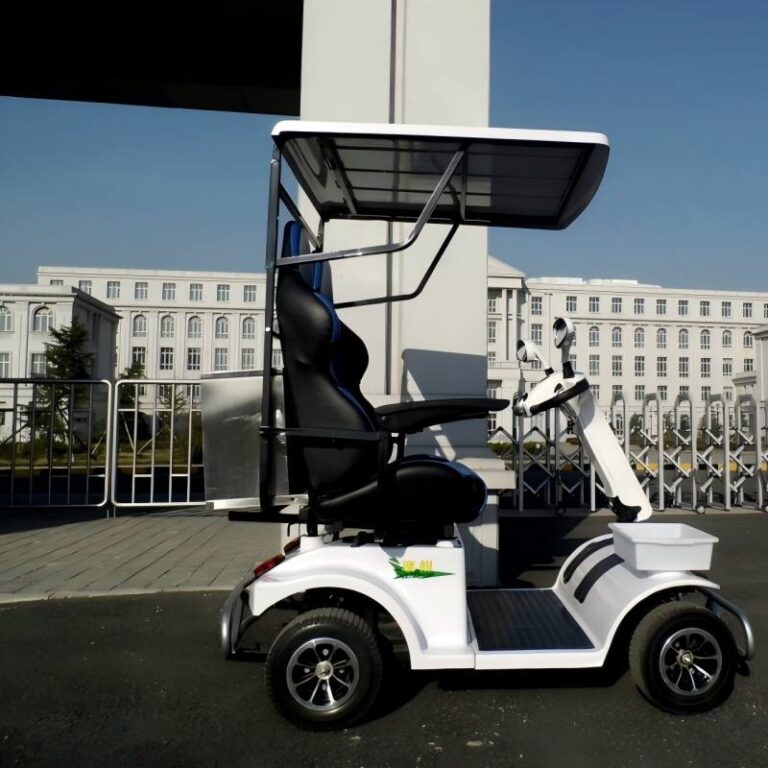
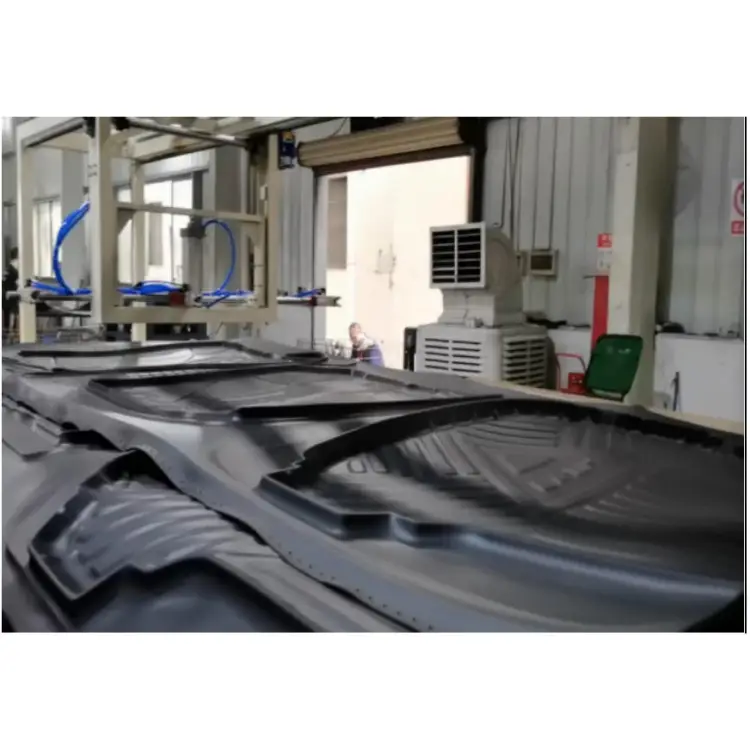
Talk to Our Engineer, Get a Solution in 20 minutes
Our engineers are the expert in vacuum forming products, you can let them know any requirements and specific demands, then they work out the solution soonest and send back it for free.

Vacuum‑formed products are everywhere. The bathtub you use every day, the inner liner of your refrigerator, your car’s dashboard, even the plastic tray that holds your strawberries – chances are, they all come from the same process: vacuum forming.
But do you really understand this process? How does it differ from injection moulding? What kinds of parts are suitable for vacuum forming? How much does a mould cost? How long is the lead time?
This article gives you complete answers.
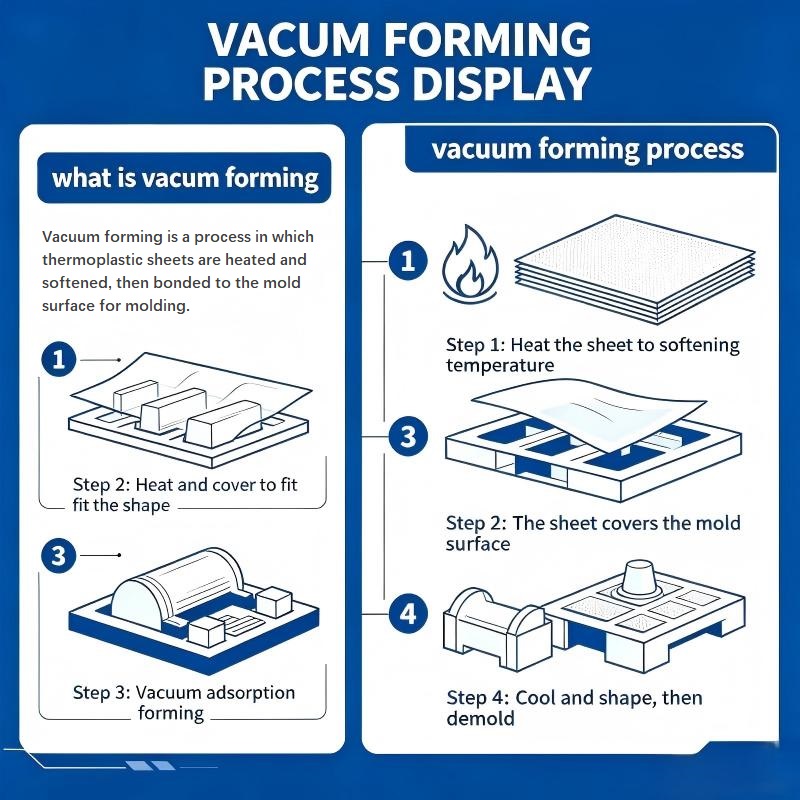
Vacuum forming is a simplified version of thermoforming. In essence, you heat a plastic sheet until it becomes soft and pliable, then use vacuum suction to draw it tightly over a single‑sided mould. After cooling and trimming, you get the final part.
In plain English: heat a plastic sheet, suck it onto a mould with a vacuum, let it cool and set.
Vacuum forming is the simplest of the three main thermoforming processes:
| Process | Number of Moulds | Best For |
|---|---|---|
| Vacuum Forming | 1 (single‑sided) | Parts that require precision on only one side |
| Pressure Forming | 2 (both sides) | Parts needing detail on both sides |
| Twin‑Sheet Forming | 2 sheets fused together | Hollow or double‑walled parts |
Because it uses only a single‑sided mould, the mould cost is far lower than injection moulding – typically a fraction of the cost, and the lead time is about half that of an injection mould.
The core principle is remarkably simple: using atmospheric pressure to shape the plastic.
When you seal a heated, softened plastic sheet over a mould and then evacuate the air between the sheet and the mould, the atmospheric pressure pushes the sheet firmly into every contour of the mould.
Moulds can be male (the plastic forms over the outside of the mould) or female (the plastic is drawn into the cavity). Female moulds require small vacuum holes drilled in the recesses to allow proper air evacuation.
A complete vacuum forming cycle consists of six stages:
The thermoplastic sheet is secured in a clamp frame on the forming machine. The clamp must provide enough force to prevent the sheet from shifting during heating and forming.
Infrared heating elements raise the sheet to its forming temperature – soft enough to be pliable, but never melted.
The key here is uniformity: the entire surface and thickness of the sheet must be heated evenly. Advanced machines use zone‑controlled heating to compensate for edge heat loss. For sheets thicker than 6 mm, double‑sided heating is typically required.
For deep‑draw parts, the sheet may be pre‑stretched before vacuum is applied, ensuring more uniform wall thickness in the final product.
The heated sheet (still in its clamp frame) is lowered over the mould, and the vacuum pump evacuates the air between the sheet and the mould. Atmospheric pressure forces the sheet tightly against the mould surface, replicating its precise contour.
Vacuum is maintained while the plastic cools and solidifies, locking in the mould’s shape. Large parts may be cooled with fans or mist sprays.
After cooling, the formed part is removed and excess material (the flash) is trimmed away. The trimmed scrap can be recycled and reground for reuse.
Almost all thermoplastics can be produced as sheet and vacuum formed. Here are the most widely used materials in the industry:
| Material | Key Properties | Typical Applications |
|---|---|---|
| ABS | High impact resistance, durable | Automotive interiors, equipment housings |
| HIPS (High Impact Polystyrene) | Easy to form, low cost | Food packaging, display stands |
| PETG | Transparent, good chemical resistance | Medical packaging, clear covers |
| PC (Polycarbonate) | High strength, clarity, heat resistance | Protective shields, lighting |
| PVC | Flame retardant, weather resistant | Construction panels, signage |
| PMMA (Acrylic) | Crystal clear, glossy finish | Display fixtures, light covers |
| PP/PE | Chemical resistance, food‑grade | Food containers, trays |
When selecting a material, consider strength, rigidity, UV resistance, transparency, cost, and formability.
The range of applications is enormous – from tiny packaging inserts to large automotive parts. Key sectors include:
🚗 Automotive: Dashboards, door panels, bumpers, floor mats, interior linings
🏥 Medical: Pill trays, dental retainers, medical device housings, hospital equipment parts
📦 Packaging: Blister packs, food trays (fruit, eggs, chocolate), electronics packaging
🏠 Consumer Goods: Bathtubs, shower bases, refrigerator liners, outdoor storage boxes, ski boxes
🏪 Commercial Displays: Signage, POP displays, kiosk enclosures, ATM panels
✈️ Aerospace: Aircraft interior components, stowage bins
💰 Cost‑Effective Tooling: Mould costs are much lower than injection moulding. Moulds can be made from wood, aluminium, or even 3D‑printed.
⏱️ Short Lead Times: Mould fabrication takes about half the time of injection tooling. Prototypes can be produced in days.
🎨 Design Flexibility: Parts range from small precision components to large, complex curved shapes.
📈 Scalability: Equally suitable for single prototypes and high‑volume production.
♻️ Material Efficiency: Scrap material can be recycled and reused.
🔧 Low Tooling Pressure: The low‑pressure process means moulds do not require high‑strength materials.
Every process has its drawbacks. The main limitations of vacuum forming are:
❌ Uneven Wall Thickness: Deep‑draw parts may experience stretching and thinning at corners, making uniform wall thickness difficult to achieve.
❌ Geometric Constraints: Parts with complex undercuts, multi‑directional slides, or varying wall thicknesses are not feasible. The part design should ideally release from the mould in a single direction.
❌ Sheet Thickness Limits: The process is most suitable for thin‑gauge materials.
❌ Shrinkage & Warpage: Heating and cooling can cause dimensional changes.
❌ Secondary Operations: Trimming, drilling, and other post‑forming steps are usually required.
This is the most common question we hear from customers. Here’s a quick comparison:
| Factor | Vacuum Forming | Injection Moulding |
|---|---|---|
| Tooling Cost | Low (thousands to tens of thousands) | High (hundreds of thousands to millions) |
| Tooling Lead Time | 1‑4 weeks | 4‑12+ weeks |
| Part Cost | Low‑medium | Very low (at high volumes) |
| Minimum Order Quantity | Dozens of pieces | Usually tens of thousands |
| Part Size | Can be very large | Limited by machine tonnage |
| Wall Thickness Uniformity | May vary | Very uniform |
| Design Complexity | Limited | Nearly unlimited |
Simple rule of thumb: Low volume, large size, fast iteration → choose vacuum forming. High volume, small size, complex geometry → choose injection moulding.
Q: What is the difference between vacuum forming and thermoforming?
A: Vacuum forming is a subset of thermoforming. Thermoforming is the umbrella term that includes vacuum forming, pressure forming, and twin‑sheet forming. Vacuum forming is the simplest type.
Q: What level of precision can vacuum forming achieve?
A: With aluminium tooling, tolerances are typically around ±0.10 inches (about ±0.25 mm). CNC trimming can achieve even tighter tolerances.
Q: What is the minimum order quantity for vacuum forming?
A: This is where vacuum forming shines – you can start with just a few dozen pieces. Because tooling costs are low and fast, it is ideal for small‑batch orders and prototype validation.
Q: How long has vacuum forming been around?
A: The concept dates back to the 1940s, when it was originally used for display covers. The first modern vacuum forming machine was patented in 1964. The process has been refined over nearly a century.
Q: How thick a sheet can you vacuum form?
A: Single‑sided heating equipment typically handles sheets up to 6 mm thick; double‑sided heating can go up to 10 mm.
Vacuum forming is a nearly century‑old, mature process – low cost, short lead times, and great design flexibility, suitable for everything from small prototypes to high‑volume production.
If your part meets these criteria, vacuum forming is your best choice:
About TKP Plastic: We are a custom vacuum forming manufacturer with 15 years of experience, specialising in automotive, medical, and industrial applications. 15‑day lead time, 50‑piece minimum order, and pricing 10‑20% below market – that is our promise to every customer. For enquiries, please contact us.

TKP Plastic is China's leading provider of vacuum forming solutions. We are defined by our commitment to innovation, uncompromising quality, and total customer satisfaction. Our expertise enables us to deliver projects that excel in cost-effectiveness, intricate design, and sustainable manufacturing. Partner with TKP to bring your vision to life with precision and reliability.