Talk to Our Engineer, Get a Solution in 20 minutes
Our engineers are the expert in vacuum forming products, you can let them know any requirements and specific demands, then they work out the solution soonest and send back it for free.


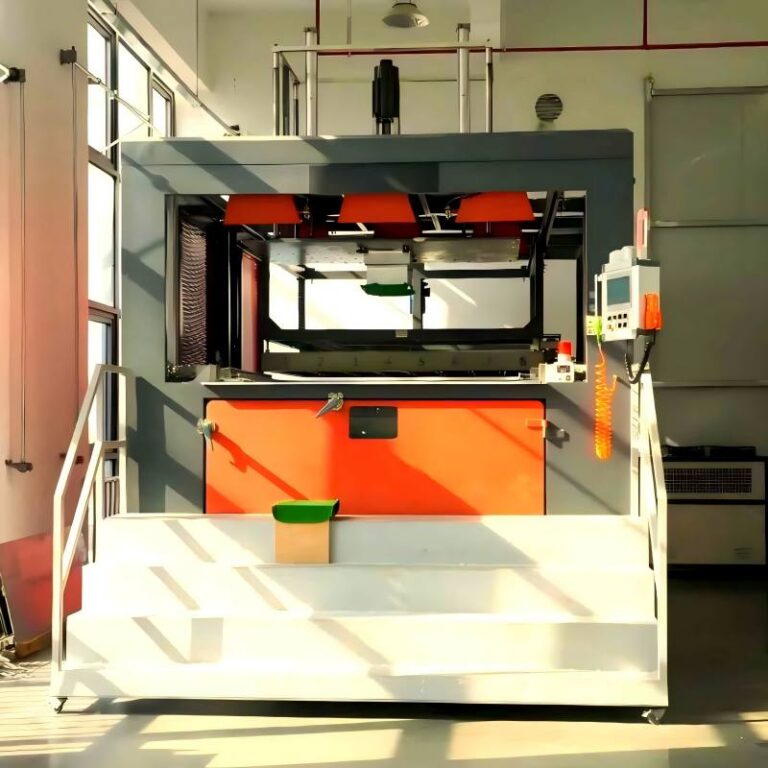
This article aims to deeply analyze six key factors affecting vacuum forming: sheet material performance and selection, heating process control, vacuum and pressure systems, mold design and temperature management, cooling process optimization, and process parameter coordination and intelligent control.
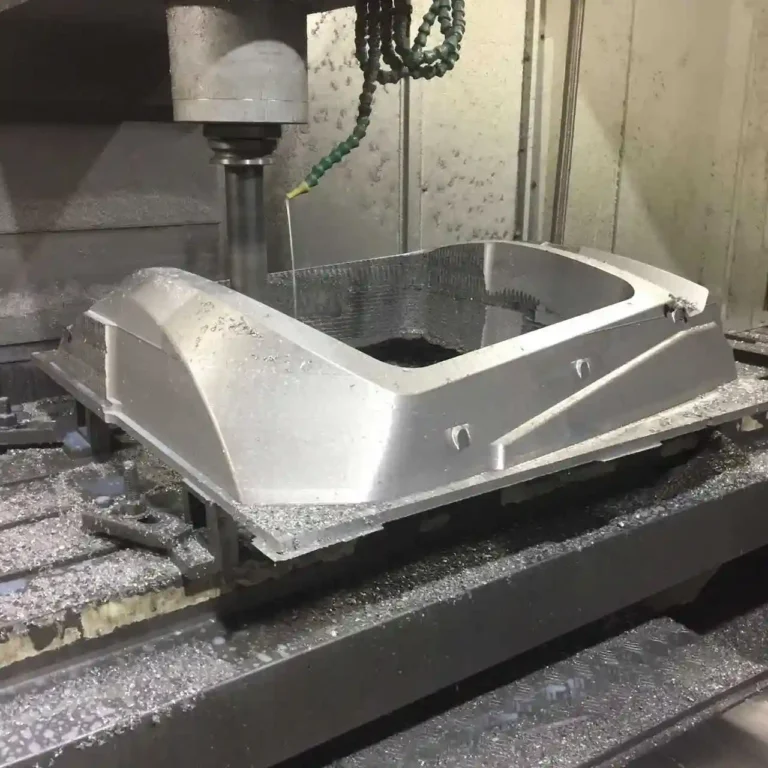
In the thick sheet vacuum forming industry, the choice of mold directly affects product quality, production efficiency, and cost control. Currently, common thick sheet vacuum forming molds mainly include plaster molds, electroplated copper molds, and aluminum molds, each with distinct characteristics in terms of cost, precision, durability, and applicable scenarios.
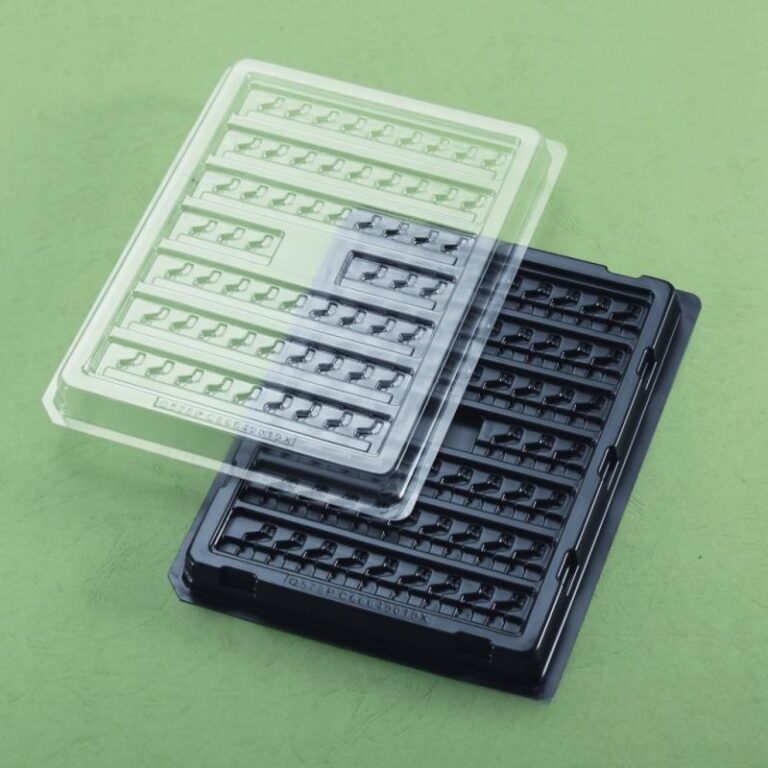
Plastic thermoforming is a core process in packaging, displays, and light industrial parts — and PET family materials (PET, PETG, APET) are among the most commonly used sheets. They’re prized for clarity, strength, and food-contact performance, but each variant behaves differently in the oven and at the tooling.

Vacuum forming is deceptively familiar: the plastic clamshell that holds your headphones, the curvy dash panel in a car, the glossy point-of-sale display in a shop window. It’s a fast, relatively low-cost way to turn flat plastic sheet into three-dimensional parts.
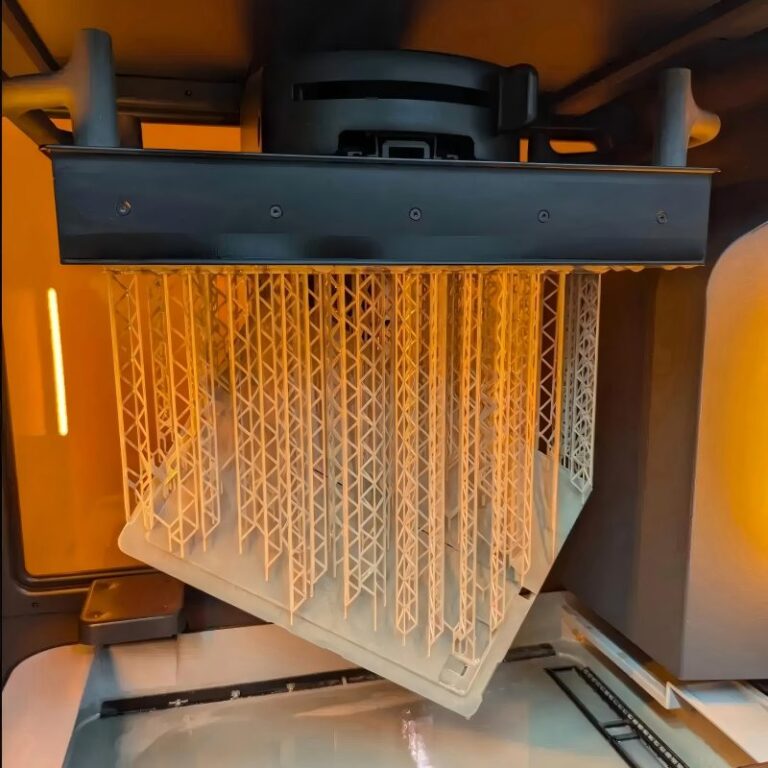
In reality, vacuum forming and thermoforming are not beginner processes — they are forgiving processes. That distinction matters.

Acrylic—better known in engineering terms as PMMA (polymethyl methacrylate)—is a favorite for outdoor signage because it lets through over 92% of light and holds up well against weathering. But since it’s also heated during vacuum forming, people often ask whether summer heat could push it past its limits.
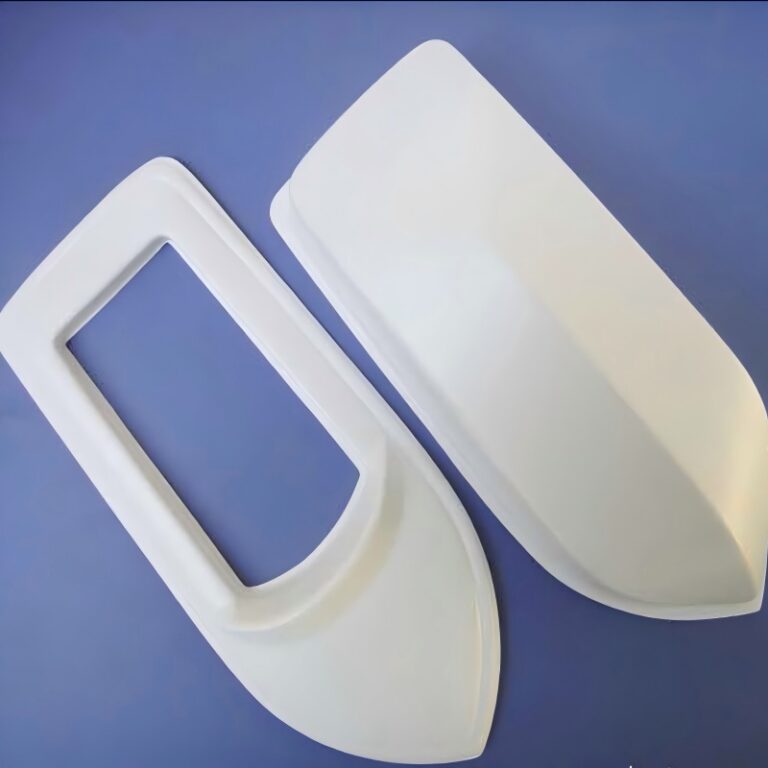
Polypropylene (PP) can be vacuum formed, but it behaves differently from common amorphous plastics (like ABS or acrylic). With the right grade, temperature control, tooling and venting, PP makes durable, chemical-resistant parts
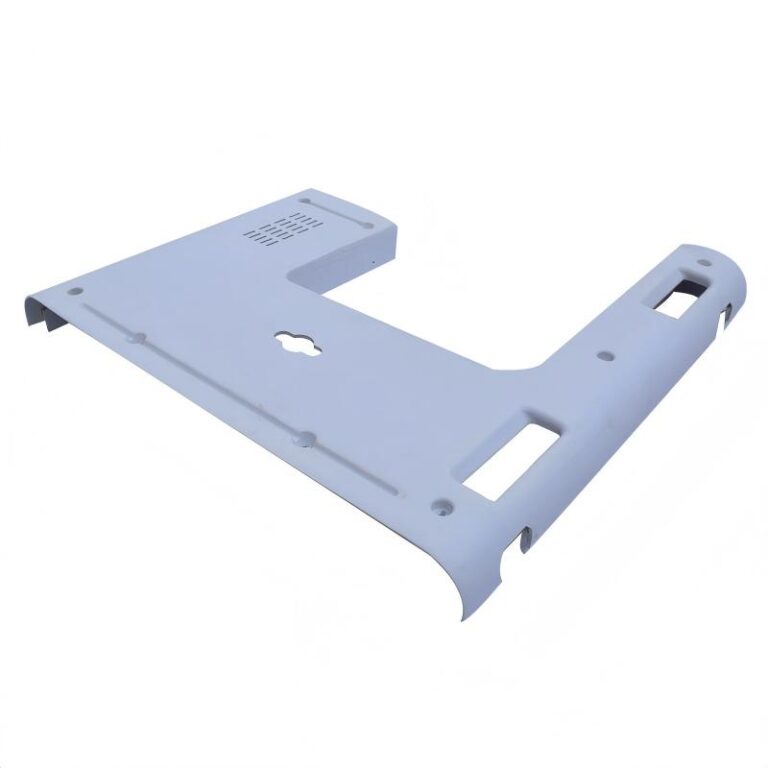
It explains what heavy-gauge (thick-sheet) vacuum forming is, how to choose materials, which industries use it, common part types, customization options, cost and sustainability considerations, and practical steps for design and procurement
Vacuum forming looks simple — heat a sheet, pull it over a mold — but the real skill is in the details. This guide explains what matters in practice (not just theory), why certain choices cost you time or money, and how to avoid the small mistakes that cause scrap, rework or late launches.
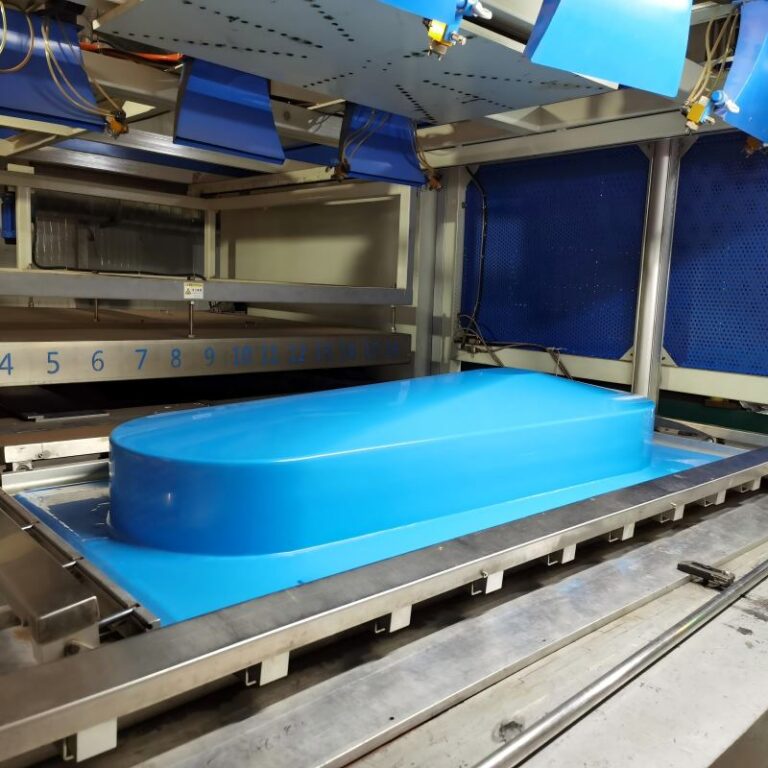
Thermoforming looks simple: heat, form, trim. But the real skill is choosing the right gauge for the job. Pick wrong, and you pay later — with warranty claims, unhappy customers, or repeated retooling. Pick right, and you save time, money, and headaches.
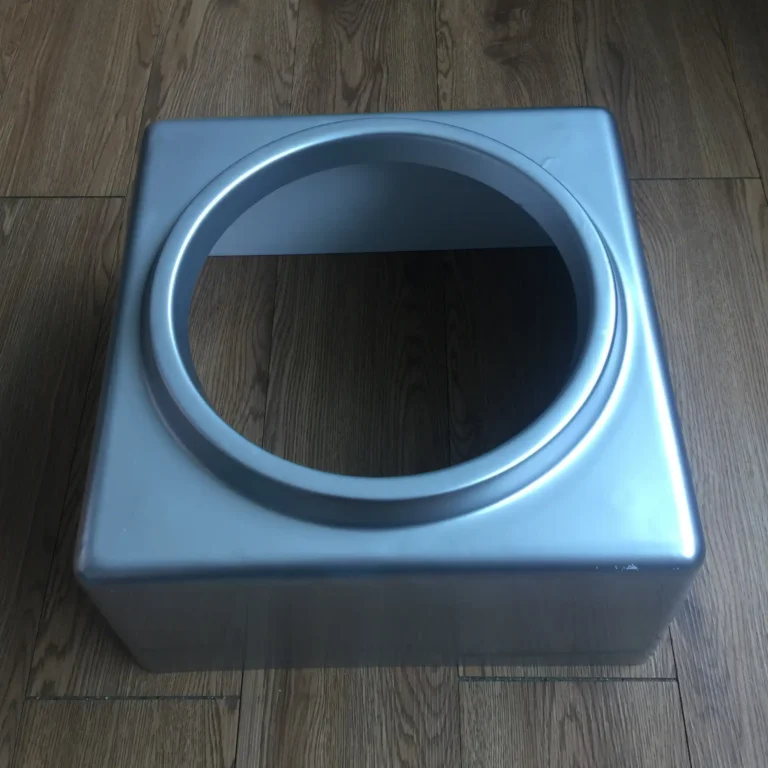
Thermoforming quietly powers millions of everyday plastic parts — from blister packs and yogurt lids to aircraft interior panels and medical trays. It’s fast, flexible, and often overshadowed by injection molding in mainstream conversations.
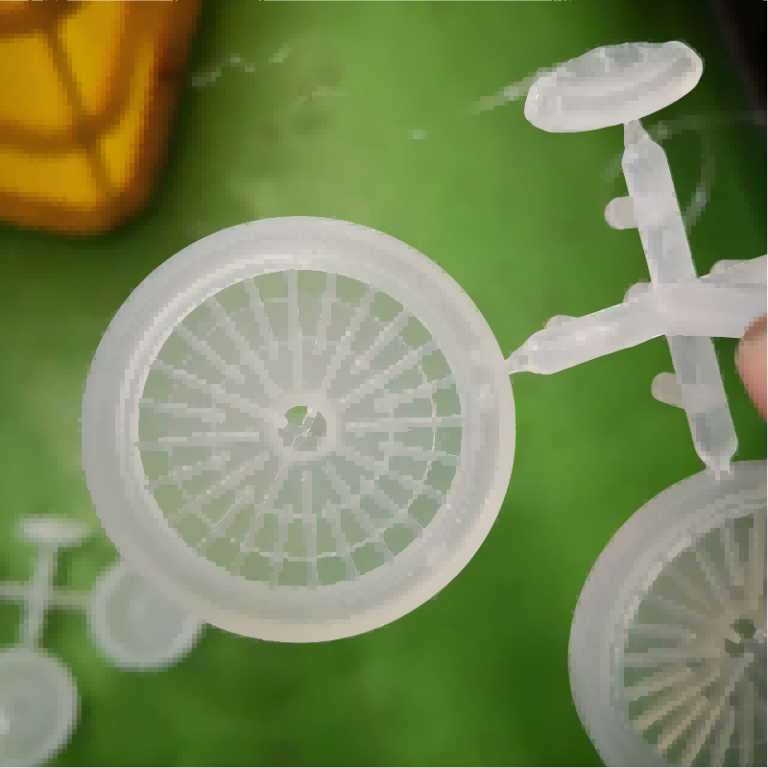
In the field of plastics processing, injection molding and plastic thermoforming are two commonly used manufacturing processes for producing precision industrial parts. The following will compare and analyze these two technologies.

TKP Plastic is China's leading provider of vacuum forming solutions. We are defined by our commitment to innovation, uncompromising quality, and total customer satisfaction. Our expertise enables us to deliver projects that excel in cost-effectiveness, intricate design, and sustainable manufacturing. Partner with TKP to bring your vision to life with precision and reliability.