Talk to Our Engineer, Get a Solution in 20 minutes
Our engineers are the expert in vacuum forming products, you can let them know any requirements and specific demands, then they work out the solution soonest and send back it for free.

Introduction — A Plain-Spoken Look At The Finishing Step
Short Description: Thermoforming Gives You Shape; CNC Gives You Use.
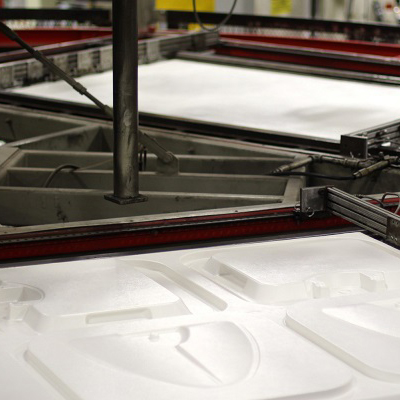
You can heat a sheet of plastic, pull it over a mold, and get a nice-looking shell in a few minutes. But that shell is usually not ready to bolt on, seal up, or sit in a production line. That last step — trimming and machining — is what turns a pretty shape into something that actually works. This piece explains the why, the how, the real alternatives, and practical design moves that save time and money.
Short Description: From Soft, Warped Shells To Predictable, Usable Parts.
Think about the last sink you installed (or saw installed). If bolt holes or flanges are off by a few millimetres, someone improvises — more sealant, extra shims, longer install time. Thermoforming stretches, thins, and sometimes warps plastic. CNC trimming restores control. It locates holes precisely, flattens mating surfaces, cleans and sizes flanges, and produces edges that won’t shred gaskets or hands. In short: CNC turns a one-off-looking formed part into a reliable production piece.
Short Description: A Measured, Subtractive Step That Adds Precision.
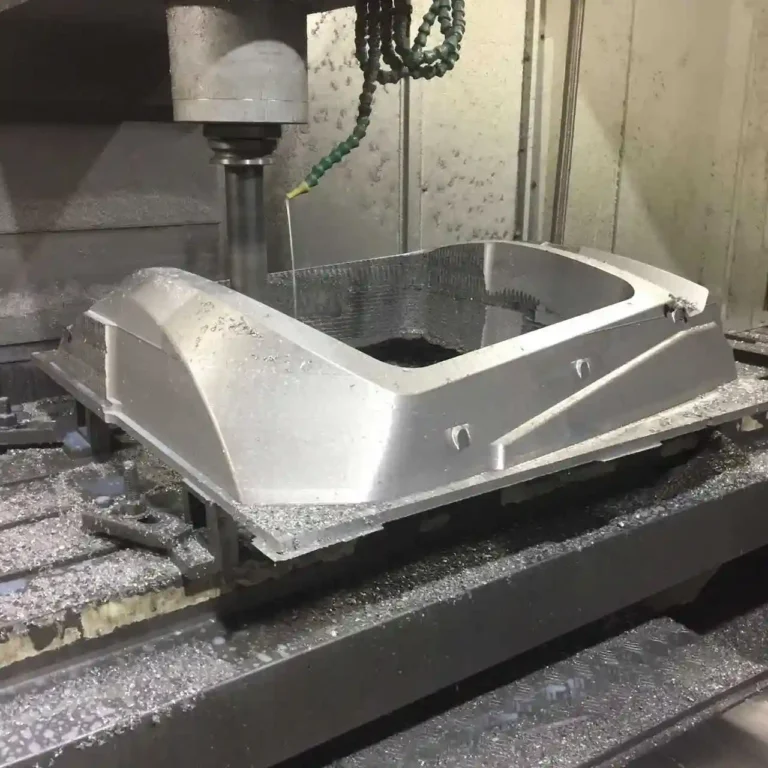
CNC trimming is the milling or routing step after forming. Key ingredients:
It’s not a brute-force cut. It’s measured, deliberate, and repeatable — the difference between a part you hope will fit and a part you know will fit.
Short Description: Tighter Tolerances, Functional Features, And Repeatable Quality.
Here’s the short list of what CNC gives you that forming alone rarely can:
Manufacturers don’t pick CNC because it sounds fancy — they pick it because it avoids downstream headaches.
Short Description: Other Methods Work In Specific Cases — Know The Tradeoffs.
There are options. Each comes with obvious pros and practical cons:
Rule of thumb: CNC for flexible designs and precision; dies for high, stable volumes.
Short Description: Probing, Robotics, And Data Cut Costs And Scrap.
A few things shops do now that make a real difference:
These are not showroom buzzwords; they’re the small operational changes that lower cost and raise first-pass yield.
Short Description: How Simple Probing Cut Rework And Improved Line Flow.
Scenario: A run of vanity-sink surrounds had flanges that varied up to 2–3 mm. Assembly techs were trimming each part by hand and the line kept halting. The contractor added a CNC cell with a probe and a two-pass trim routine. Result: the parts left the CNC cell ready to bolt and seal. Rejects dropped dramatically, and labor per part fell. That’s the difference between hoping a part fits and knowing it will.
Short Description: Small Design Choices Can Cut Hours Off Your Cost.
Follow these and your trimming step gets shorter and cheaper.
Short Description: Measure Often, Track Key Metrics, And Make Small Fixes Fast.
When shops do this, surprises on the assembly line become rare.
Short Description: CNC Costs More Per Part But Often Saves Money Overall.
Yes — CNC adds cycle time and cost compared to hand trimming. But it lowers scrap, rework, and warranty risk. Think of CNC as insurance: you pay more now to avoid much higher costs later. For very high and stable volumes, die trimming can flip the math — after the die cost is paid off.
Short Description: Tell Us Your Material, Part Size, Volume, And Tolerances.
If you want a practical comparison — CNC vs Die vs Hybrid — give material type, part size, expected annual volume, and the most critical tolerances. We’ll recommend the route that minimizes total program cost and provides reliable lead times. Call 919-404-2080 or email us now.
Short Description: The Final Trim Is Where You Turn A Shape Into A Product.
Thermoforming is fast. CNC is what makes it useful. Treat trimming like part of the design conversation, not a last-minute pain, and you’ll ship fewer reworks and happier customers.
Short Description: Short, Direct Answers To The Common Questions.
Q: Can I Skip CNC Trimming?
A: Only when tolerances are loose and cosmetic finish isn’t important. For most functional parts, skipping CNC creates downstream problems.
Q: When Is Die Trimming The Right Choice?
A: When volume is high and the design is locked. Die trimming shines after you amortize tooling.
Q: Will CNC Damage Thin Parts?
A: Not if fixturing, cutter choice, and multi-pass toolpaths are set up correctly.
Q: What KPIs Should I Track?
A: Scrap Rate, First-Pass Yield, Critical-Dimension Cpk, And Rework Time Per Part.
Q: Can Trimmed Scrap Be Recycled?
A: Often, yes — if the material and contamination levels allow it.

TKP Plastic is China's leading provider of vacuum forming solutions. We are defined by our commitment to innovation, uncompromising quality, and total customer satisfaction. Our expertise enables us to deliver projects that excel in cost-effectiveness, intricate design, and sustainable manufacturing. Partner with TKP to bring your vision to life with precision and reliability.