Talk to Our Engineer, Get a Solution in 20 minutes
Our engineers are the expert in vacuum forming products, you can let them know any requirements and specific demands, then they work out the solution soonest and send back it for free.

If vacuum forming is so “simple,” why do so many first projects fail?
In reality, vacuum forming and thermoforming are not beginner processes — they are forgiving processes. That distinction matters. Forgiving means you can get a part quickly, but good parts still require understanding material behavior, heat flow, and tooling logic.
With the rise of large-format and industrial 3D printing, the biggest shift isn’t the forming machines — it’s the way molds are made. Today, you can go from CAD to a functional forming mold in days, not months. But only if you know what not to print, where parts will thin, and why some molds die after ten pulls.
This guide explains vacuum forming and thermoforming the way manufacturers actually use them, not the simplified blog version. Learn more about professional capabilities at Best Vacuum Forming .
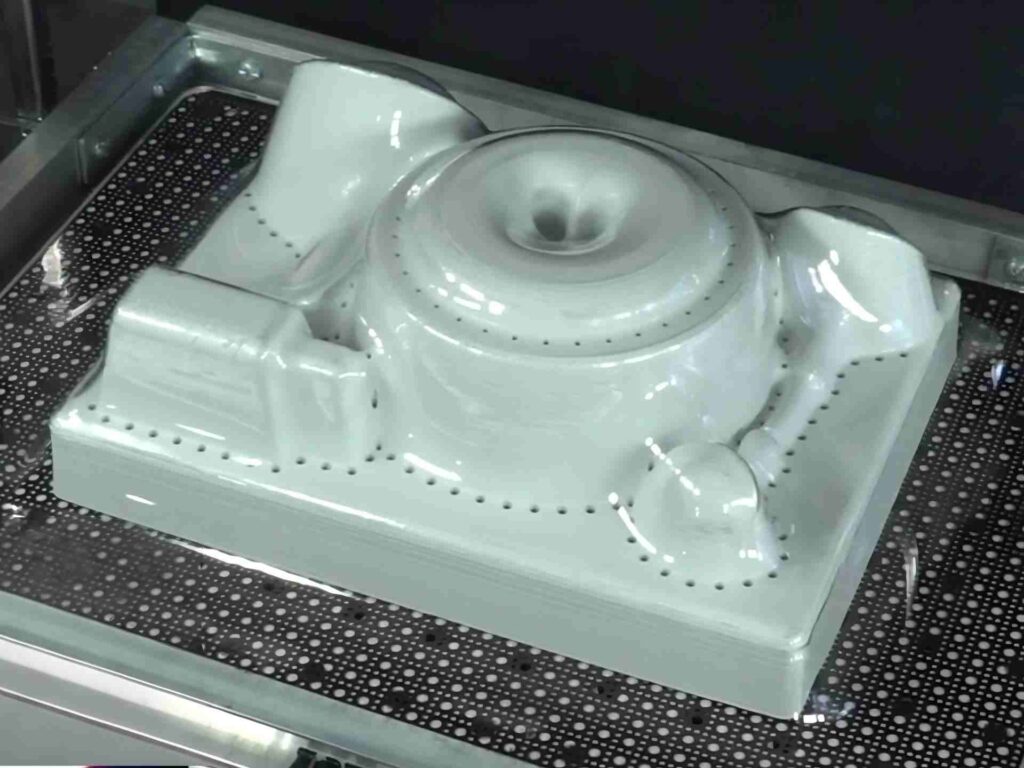
Most blogs say: “Vacuum forming is a type of thermoforming.”
That’s correct — but incomplete.
Thermoforming is the general process:
Heat a thermoplastic sheet → shape it → cool it → trim it.
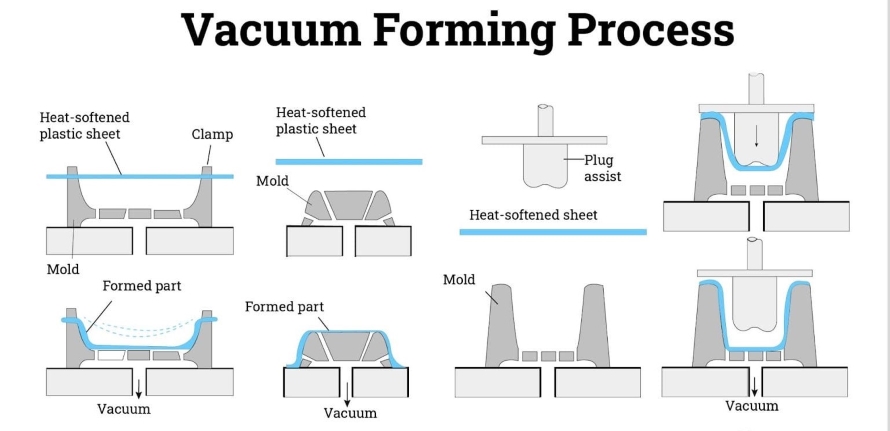
Vacuum forming is the simplest force used to shape the sheet, widely used in customized plastic products manufacturing :
Atmospheric pressure + vacuum pull the plastic over the mold.
Why this matters in practice:
If your part has:
…vacuum forming alone may struggle without tooling tricks (plug assists, controlled cooling, draft management).
This is why tooling design matters more than the machine.
(What experienced operators watch — not beginners)
Material choice isn’t about datasheets — it’s about how the sheet behaves under stretch. A full breakdown of supported polymers is available in the materials section .
| Material | Why factories use it | What beginners get wrong |
| PETG | Forgiving, clear, stable | Overheating causes haze |
| ABS | Impact-resistant | Needs controlled ventilation |
| HIPS | Cheap, easy trimming | Poor heat resistance |
| PC | Structural strength | Extremely narrow forming window |
| PP | Chemical resistance | Shrinkage ruins tolerances |
Deep insight:
If you are using 3D printed molds, choose materials with lower forming temperatures, such as those commonly used in PETG vacuum forming projects .
(Where most failures happen)
3D printing didn’t replace aluminum molds — it replaced waiting.
But success depends on how you print, not what you print.
Key insight competitors skip:
A printed mold is not a mold — it’s a consumable tool. Design it that way.
(Why industries still rely on it)
Interior panels, ducts, fairings.
Why vacuum forming? Light weight + fast certification iteration.
Prototype dashboards, trims, housings.
Why vacuum forming? Tooling speed beats injection molding in early programs.
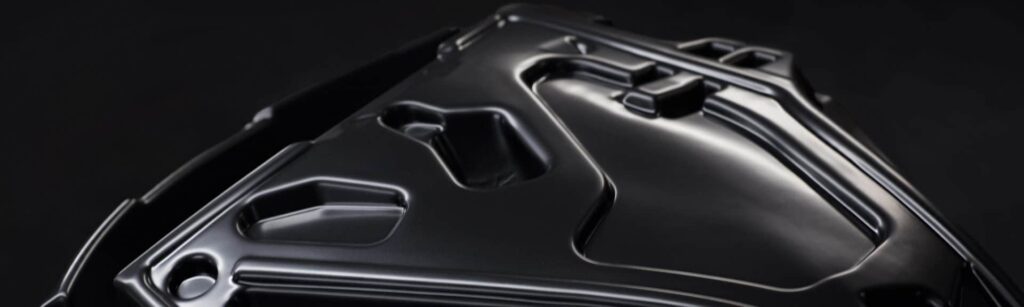
Blisters, trays, medical packaging.
Why vacuum forming? Low tooling cost + extreme volume efficiency, especially for electronics and medical packaging .
Appliance housings, covers, enclosures.
Why vacuum forming? Large parts without massive molds.

Vacuum forming rewards experience.
Start with:
Then evolve toward:
The smartest manufacturers don’t abandon vacuum forming — they refine it.
If you understand material flow, heat behavior, and tooling limitations, vacuum forming becomes one of the most cost-effective shaping processes available today.
Why do my parts thin at the corners?
Material stretches before contact. Add draft, radii, or plug assists.
How many cycles can a printed mold survive?
Anywhere from 10 to 200 — depending on plastic, temperature, and cooling time.
Is vacuum forming only for prototypes?
No. Many production programs run tens of thousands of parts using aluminum vacuum molds.
Should I skip vacuum forming and go injection molding?
Only if volume justifies it. Vacuum forming wins on tooling speed, flexibility, and part size.

TKP Plastic is China's leading provider of vacuum forming solutions. We are defined by our commitment to innovation, uncompromising quality, and total customer satisfaction. Our expertise enables us to deliver projects that excel in cost-effectiveness, intricate design, and sustainable manufacturing. Partner with TKP to bring your vision to life with precision and reliability.