Talk to Our Engineer, Get a Solution in 20 minutes
Our engineers are the expert in vacuum forming products, you can let them know any requirements and specific demands, then they work out the solution soonest and send back it for free.

Vacuum forming is deceptively familiar: the plastic clamshell that holds your headphones, the curvy dash panel in a car, the glossy point-of-sale display in a shop window. It’s a fast, relatively low-cost way to turn flat plastic sheet into three-dimensional parts. In this post I’ll walk you through what vacuum forming actually makes best, give practical design and material tips, show where it beats other processes (and where it doesn’t), and share project ideas and procurement pointers so you — whether you’re a designer, buyer, or product manager — can make smarter choices. If you’re new to the process, a high-level overview of professional vacuum forming capabilities can be found on the vacuum forming homepage.
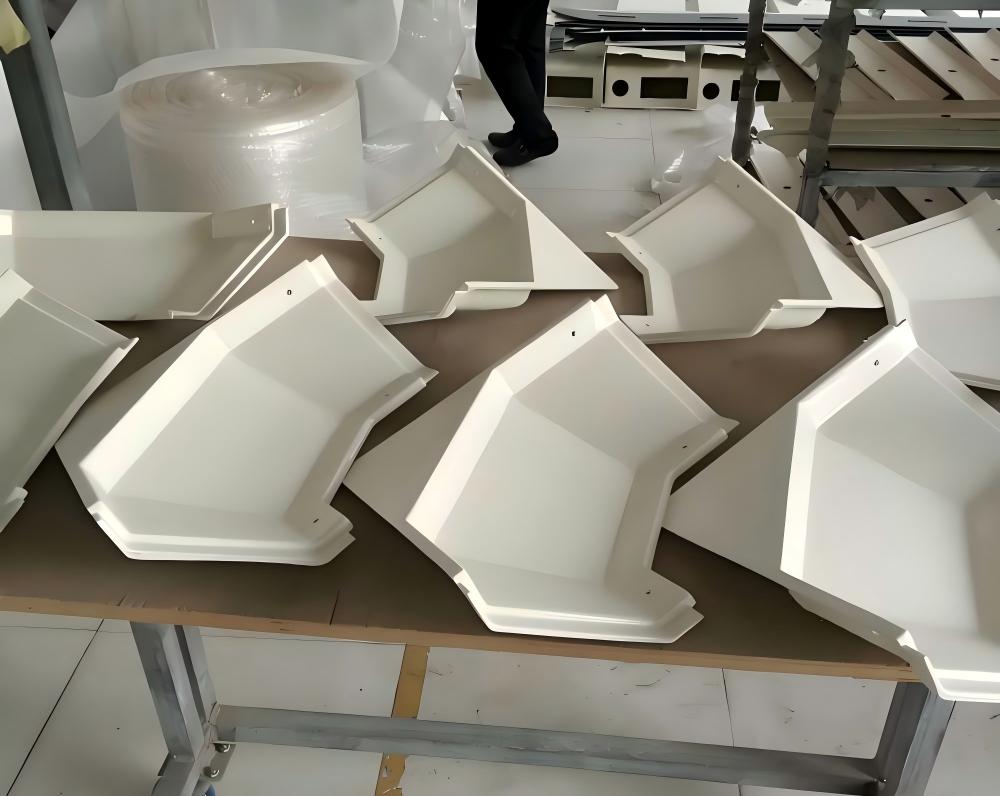
Short explainer — the process in plain language Vacuum forming is a thermoforming technique: a sheet of plastic is heated until soft, draped over a pattern or mold, and a vacuum pulls the sheet tight to the mold surface. Once cooled, the formed sheet is trimmed and finished. It’s inexpensive to tool compared with injection molding and excellent for medium-sized parts, large panels, prototypes, and packaging. It’s not the right choice for tiny, high-precision, or heavily undercut components — that’s where injection molding or multi-axis machining shine. Many buyers evaluate vacuum forming alongside other custom plastic services offered by experienced manufacturers through dedicated customized plastic products programs.
List overview — wide variety of market examples Vacuum forming is used across industries because it scales from one-off prototypes to short/mid production runs. Here are the most common product categories:
Why it’s common — fast, protective, presentation-ready Electronics, toys, cosmetics, medical devices and hardware often use vacuum-formed clamshells and trays. They’re great when you need a shaped cavity to hold a product, often with branding-friendly finishes and tight lead-in edges for tamper evidence. Anti-static and protective packaging is especially common in electronics-focused vacuum forming applications.
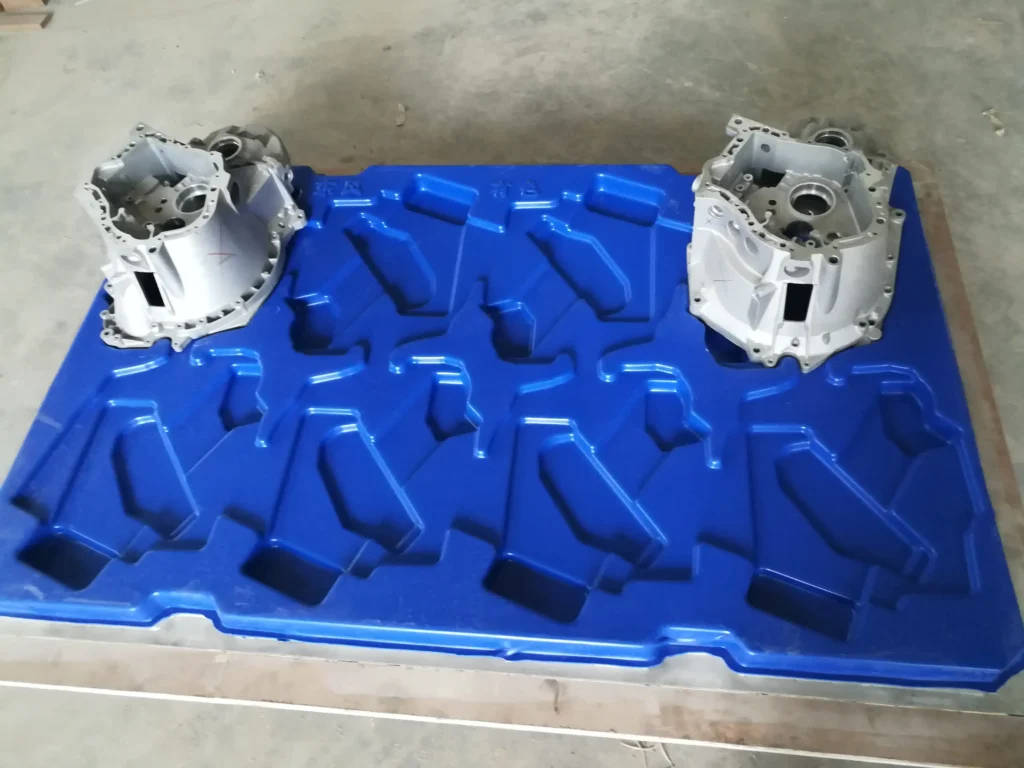
Why it’s common — large surface area and complex curves Car interiors use vacuum-formed skins, consoles, and trim panels because the process easily produces smooth, contoured shapes that would be expensive by other methods. It’s widely used for prototyping new parts too, particularly within the automotive vacuum forming sector where large-format components are common.

Why it’s common — sterile presentation and custom cavities Sterile instrument trays, diagnostic device housings and protective covers are commonly vacuum formed from medical-grade plastics. It’s valued for repeatable cavities and fast tooling when new kits are iterated frequently, making it a practical solution for regulated medical vacuum forming projects.
Why it’s common — attractive finishes and low tooling cost Appliance facades, vacuum-formed faceplates, and housings for vacuum cleaners or small machines — all benefit from the neat, continuous surfaces vacuum forming delivers.

Why it’s common — affordable short-run custom shapes Retail displays, mannequins and signage pieces use vacuum formed parts for eye-catching geometry and fast seasonal runs.
Why it’s common — quick iteration and large parts Designers and model makers love vacuum forming for producing realistic, large pieces quickly and at lower cost than machining or molding.
Why it’s common — combining strength and low weight Sporting gear shells, nautical interiors, and custom kiosk facades are great fits: large, curved parts that need good looks and durability.
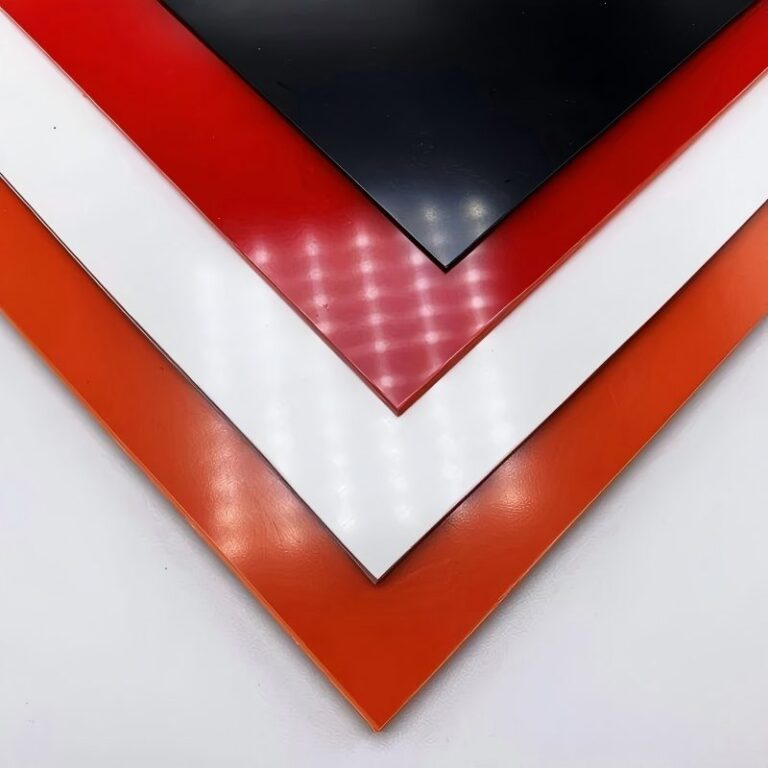
Material primer — matching plastic properties to function Common sheets: ABS, HIPS (high-impact polystyrene), PETG, polycarbonate, acrylic and PVC. Briefly:
Choosing material is about required strength, finish, clarity, chemical resistance and cost.
Actionable guidance — design for manufacturability in vacuum forming A few practical rules will make parts that form consistently, need less finishing, and come in on budget:
Following these keeps scrap low, reduces post-processing and shortens time to market.
Practical tooling choices for different budgets Mold choices range from low-cost 3D-printed or MDF masters (great for prototyping and short runs) to machined aluminum tools for longer runs and better detail. Aluminum molds hold tolerances, dissipate heat faster (faster cycle times) and last longer — but cost more up front. For many buyers, the sweet spot is a hardened wood or CNC-machined MDF pattern for small/medium runs, and aluminum for sustained production.
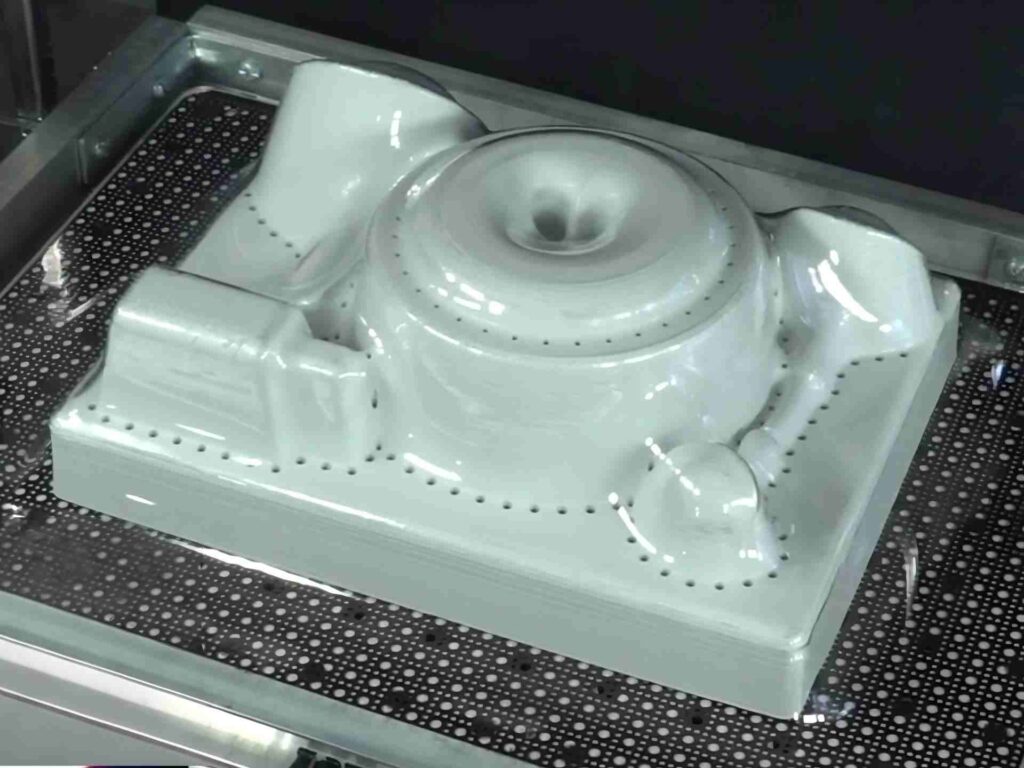
How to get from formed sheet to market-ready part Vacuum-formed parts are commonly finished by CNC trimming, laser trimming, drilling, snap-fit insertion, glue or ultrasonic welding, screen printing, painting or vacuum metallization. Inserts (heat-set or ultrasonic) can be added for threaded fasteners. Plan the finish during design to avoid surprising costs.
High-level decision guide for buyers and designers Choose vacuum forming when: you need large, thin-walled parts; tooling cost must stay low; part volumes are low-to-mid; or you need fast prototype-to-production iteration. Choose injection molding when: you need tight dimensional tolerances, complex undercuts, high part counts (high volumes), or thin, repeatable ribs and bosses — injection molds are expensive up front but amortize out in high volumes.
Environmental choices that affect procurement and branding Vacuum forming can use recyclable thermoplastics and post-consumer recycled (PCR) sheets in many cases. Avoid PVC if you need environmentally friendly credentials. Also consider the end-of-life plan: designing parts for easy disassembly and using mono-materials simplifies recycling.
Concrete examples — inspiration you can act on
Questions that spot competence and keep your cost down
Wrap-up — strategic summary and offer to help Vacuum forming is a workhorse for designers and buyers who need beautiful, large, and cost-effective plastic parts without the high upfront cost of injection molds. It shines for packaging, displays, prototypes, automotive interiors and many appliance and medical parts — especially when you design for draft, radii and even wall thickness. If you’re evaluating manufacturing options for a specific part, I can help review your drawings for vacuum forming suitability and suggest materials and tooling strategies that minimize cost and speed up your timeline. Want me to take a look at a part or sketch?

TKP Plastic is China's leading provider of vacuum forming solutions. We are defined by our commitment to innovation, uncompromising quality, and total customer satisfaction. Our expertise enables us to deliver projects that excel in cost-effectiveness, intricate design, and sustainable manufacturing. Partner with TKP to bring your vision to life with precision and reliability.