Talk to Our Engineer, Get a Solution in 20 minutes
Our engineers are the expert in vacuum forming products, you can let them know any requirements and specific demands, then they work out the solution soonest and send back it for free.

Introduction — Why Hybrid Prototyping Matters Now
Short Description: The Combination Of Additive Freedom And Thermoforming Realism Speeds Iteration And Produces Prototypes That Feel And Look Like Production Parts.
The cadence of product development is getting faster. Designers need prototypes that not only validate fit and function, but also communicate look-and-feel to stakeholders and users. 3D printing gives you the freedom to iterate geometry quickly; vacuum forming produces production-like thin shells and finishes. Together, they let teams validate earlier, cheaper, and more convincingly than with printed parts alone.
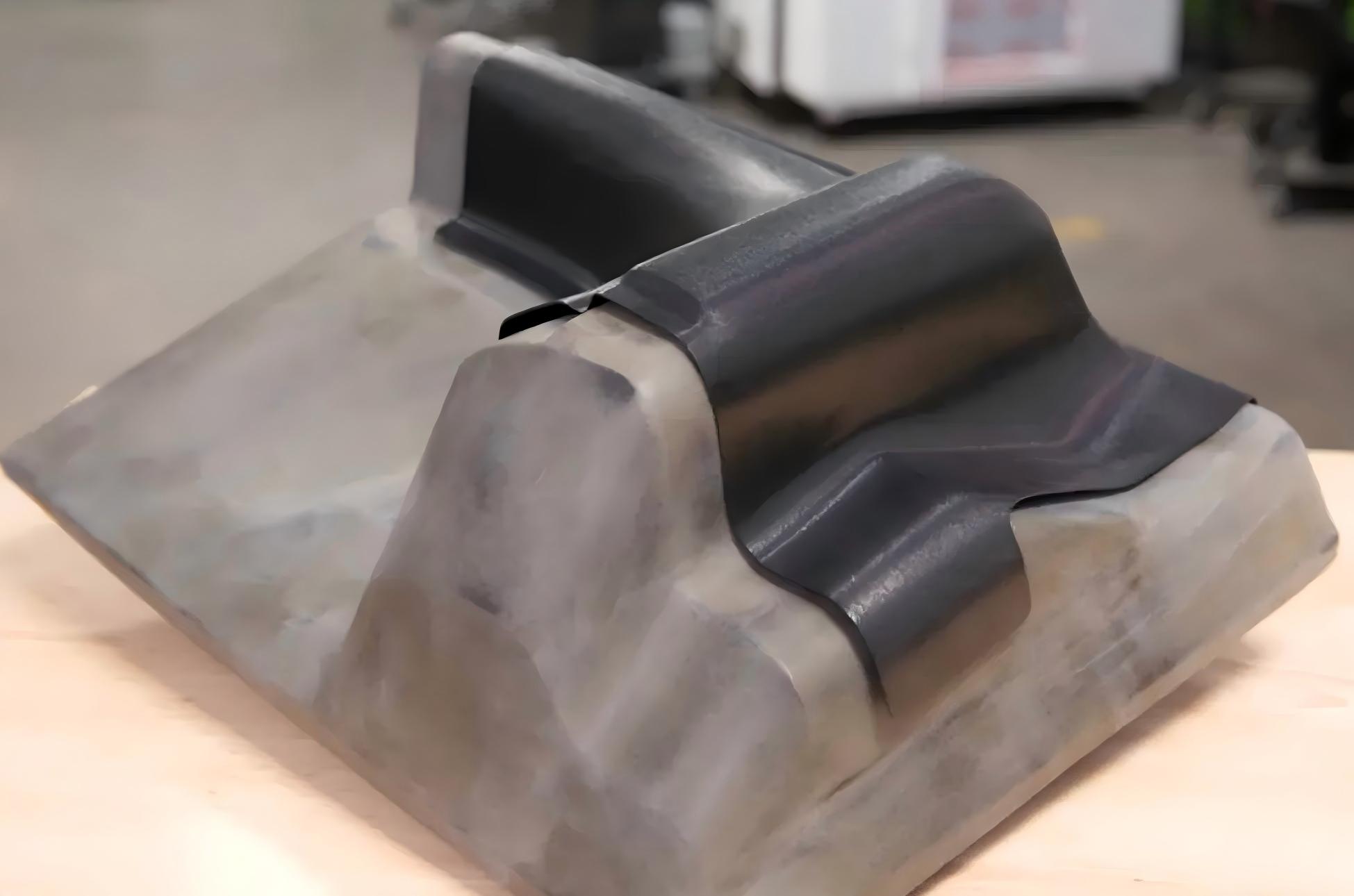
Short Description: How Additive Masters And Thermoformed Skins Work Together To Deliver Speed, Realism, And Cost Efficiency.
Hybrid prototyping uses 3D-printed masters (plugs or molds) to create vacuum-formed shells. The printed piece provides the shape and detail; the formed sheet gives surface finish and thin-wall behavior. That combo covers quick concept checks through realistic fit-and-finish validations.
Short Description: The Practical Elements You’ll Use From Design To Finished Prototype.
Short Description: Practical Material Pairings, Surface Treatments, And Thermal Considerations To Prevent Surprises.
Choose printed materials and forming sheets that play well together. Use higher-Tg or coated printed masters when you’re forming at higher temperatures. Seal porous prints with thin epoxies or lacquer so the sheet doesn’t pick up unwanted texture. Keep a simple compatibility matrix (printed material vs. forming temperature) to avoid deformation.
Short Description: Design Rules That Balance Cosmetic Surfaces And Structural Printed Cores For Reliable Results.
Split cosmetic and structural roles: vacuum-formed skins for visible surfaces, printed cores for ribs, bosses, and mounts. Add draft angles for easy release, plan tolerances to allow for sheet stretch, and design simple hybrid joints — tabs, overlaps, or snap features — to make assembly reliable.
Short Description: A Repeatable Step-By-Step Workflow So Your Hybrid Prototyping Is Predictable And Fast.
Document Recipes So The Team Can Reproduce Success.
Short Description: Material Choices, Print Settings, And Postprocessing That Produce Reliable Masters.
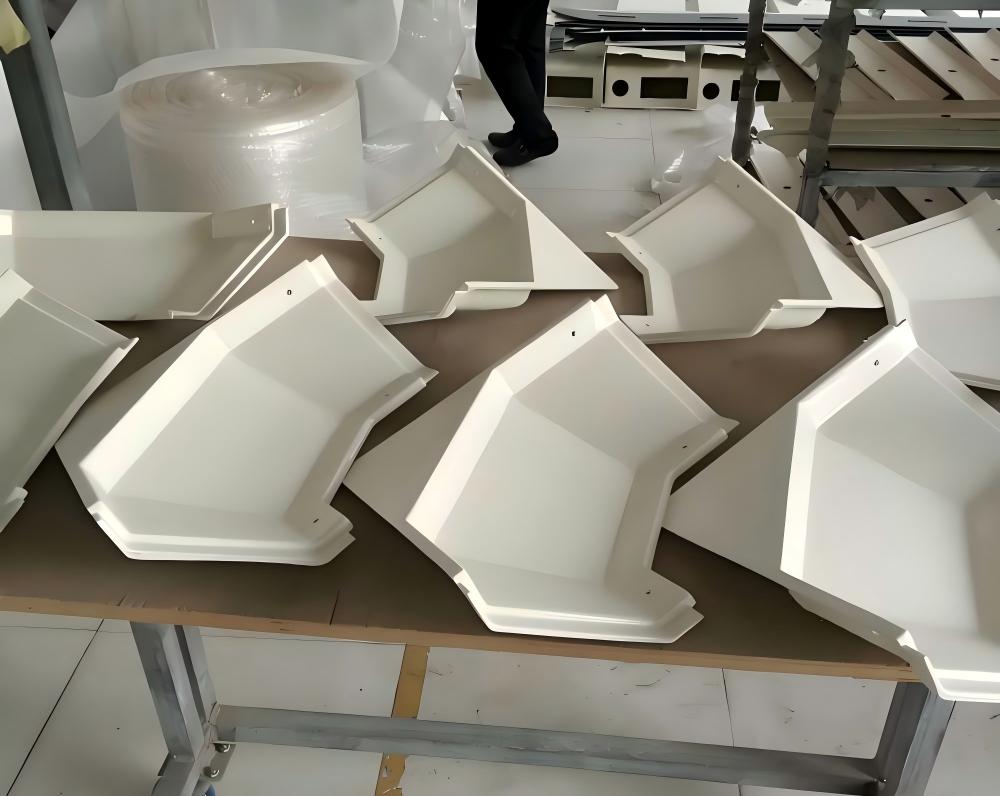
Short Description: Heating, Pressure, And Mold Design Choices That Preserve Detail And Minimize Thinning.
Control heater profiles with PID-style controllers for repeatability. Optimize vacuum channels and vents for even pressure distribution; add pressure-assist when detail is critical. For molds, printed and coated tools are fine for low runs — aluminum molds are better for repeatability and longevity.
Short Description: Dimensional, Surface, And Mechanical Checks That Keep Prototypes Useful For Decision-Making.
Short Description: How To Quantify Material, Equipment, Labor, And Time Gains From The Hybrid Approach.
Use low-cost sheets for early iterations and upgrade materials as geometry stabilizes. Invest gradually — start with modest vacuum forming and printing gear, then add trim tables, better heaters, and inspection tools as volume and requirements grow. Track time-to-validated-prototype as your main KPI.
Short Description: Training, Maintenance, Supplier Management, And Continuous Improvement Tips To Scale The Capability.
Cross-train designers and operators, schedule maintenance for heaters and pumps, and build supplier relationships for material and coating selection. Run post-sprint retrospectives and maintain a lessons-learned registry to speed future runs.
Short Description: Clear, Practical Answers To The Most Common Questions About Hybrid Prototyping.
Q: What Are The Main Advantages Of Combining 3D Printing With Vacuum Forming?
A: Faster Iteration, Better Surface Realism, And Cheaper Short Runs Compared To Tooling.
Q: Which Materials Work Best For Hybrid Prototyping Applications?
A: Printed Masters: SLA Resins or ABS/PETG/PC. Forming Sheets: PETG, ABS, PVC, HIPS, Or PC Depending On Need.
Q: How Does Hybrid Prototyping Compare To Traditional Manufacturing?
A: It Bridges The Gap Between Rapid Concepts And Production-Like Validation Without The Cost Or Lead Time Of Metal Tooling.
Q: What Industries Benefit Most From Hybrid Prototyping Technology?
A: Consumer Electronics, Automotive Concept Parts, Medical Device Prototypes (Non-Implant), Small Appliances, And Packaging.
Short Description: Start Small, Build Repeatable Recipes, And Turn Hybrid Prototyping Into A Strategic Advantage.
Hybrid prototyping Is Not Just A Quick Fix — It’s A Capability That Pays Off As You Document Process Recipes, Train Your Team, And Use Data From Each Run To Improve The Next. If You Want, I Can Convert This Into An SEO-Optimized Blog Post, An Infographic, Or A Checklist PDF For Your Shop Floor — Tell Me Which One You Want And I’ll Generate It Now.

TKP Plastic is China's leading provider of vacuum forming solutions. We are defined by our commitment to innovation, uncompromising quality, and total customer satisfaction. Our expertise enables us to deliver projects that excel in cost-effectiveness, intricate design, and sustainable manufacturing. Partner with TKP to bring your vision to life with precision and reliability.