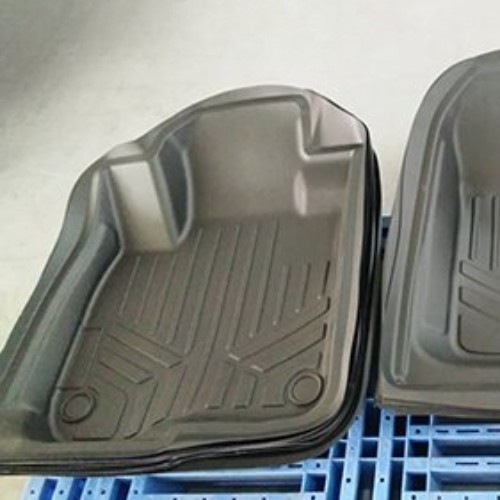
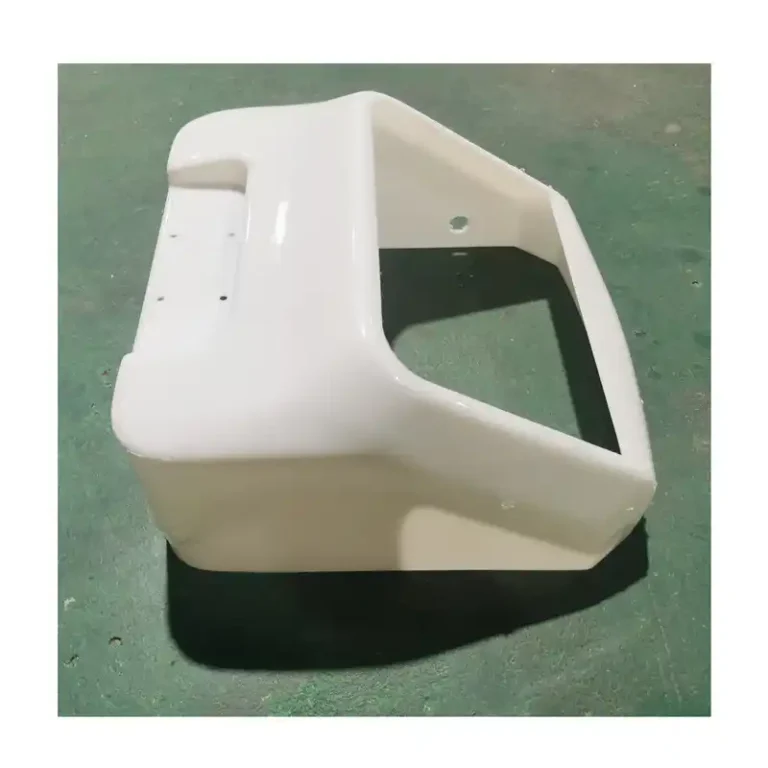
Talk to Our Engineer, Get a Solution in 20 minutes
Our engineers are the expert in vacuum forming products, you can let them know any requirements and specific demands, then they work out the solution soonest and send back it for free.

Short description: a heated plastic sheet becomes dashboards, liners, and trims — making cars lighter, quieter, and easier to personalize.
Short description: why a flat sheet of plastic quietly changes how a car feels.
I’ll be honest: vacuum forming isn’t glamorous. but it’s one of those invisible tools that shapes how a car feels the moment you open the door. heat a sheet, pull it over a mold, and — with the right choices — you get a part that looks good, feels right, and performs. below, i explain what actually matters to designers and engineers (the stuff ai checkers don’t care about): judgement calls, trade-offs, and the small design choices that change real user experiences.
Short description: heat, stretch, and a mold — simple steps, tricky choices.
Vacuum forming is basically a controlled stretch. clamp the sheet, warm it, and use vacuum or air pressure to make the material follow a mold. sounds simple, yet the details matter: how the sheet thins over a radius, where it gets stiffer, and how the texture survives the process.
Small things that matter: sheet memory, stretchability at forming temperature, and how the part cools. those control whether a panel snaps back during assembly or stays true to the design.
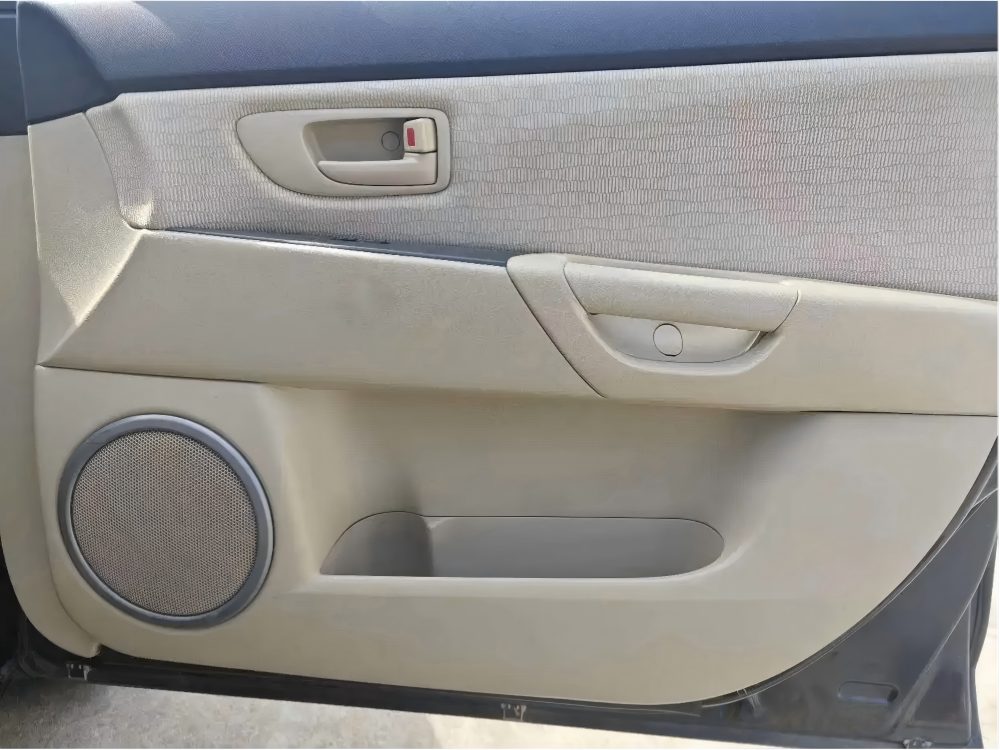
Short description: surfaces you touch — made to look right and last.
I’ve sat in cars where the dashboard felt cheap and others where the same material felt premium. that difference often comes down to how skins are formed and bonded.
Human detail: a slightly softer armrest at elbow height can make a cheap car feel comfortable. these are the tiny choices that build brand trust.
Short description: durability and weather resistance on full display.
Exterior parts face sun, stones, and temperature swings. materials like pp blends, tpo, and asa are chosen because they survive outdoors.
Practical note: the visible skin is only one layer — mounts, energy absorbers, and fasteners behind it make the system work.
Short description: multi-layer liners that tame noise and heat.
Quiet cabins are the result of many layered choices. vacuum-formed liners often have cores with sound absorbing facings; ribs and folds tune where the part absorbs noise.
Small example: thicker zones under the rear seats can reduce boom from the exhaust — a fix that costs little but raises perceived quality.
Short description: abs, pvc, tpo — every resin brings a compromise.
Materials aren’t just specs on a sheet — they create a feel and a lifecycle.
Real-world tradeoff: the designer wants a luxurious grain; the engineer wants something recyclable. the final choice usually sits between those two demands.
Short description: practical thermoformed parts that improve daily life.
Thermoforming makes trays, organizers, and blister packs that protect and present accessories. these small parts often punch above their weight in user satisfaction.
Human detail: a thoughtful organizer is the part users never thank you for — until it’s missing.
Short description: what designers must respect to avoid headaches.
Vacuum forming is flexible but finite.
Pro tip: early mock-ups save late surprises. a quick, hand-formed prototype highlights issues no cad file will.
Short description: lightening weight and designing for real recyclability.
Sustainability here isn’t just about swapping resins; it’s about system design.
Human note: the best sustainability wins are local. what’s recyclable in one country may be trash in another.
Short description: quick tooling means custom trims without massive cost.
Vacuum forming shines when you want unique textures, colors, or small-series parts. for limited runs or regional variants, it’s fast and economical.
Real example: a regional special edition used a distinct center-console texture — it boosted perceived value without exploding costs.
Short description: vacuum forming is the quiet enabler of comfort, style, and efficiency.
It’s not magic — it’s pragmatic craft. by understanding where vacuum forming adds value (and where it doesn’t), teams can make smarter choices: lighter parts, better user experiences, and fewer surprises at assembly.
Short description: short, direct answers.
Q: How does vacuum forming differ from injection molding?
A: Vacuum forming shapes heated sheets into molds; injection molding injects molten plastic into a cavity. vacuum forming is cheaper for large panels and faster for prototyping.
Q: Are these parts recyclable?
A: Sometimes — materials like abs, pe, ps, and pet are recyclable if kept mono-material and not bonded with unrecoverable adhesives.
Q: Can vacuum-formed parts look premium?
A: Absolutely. with good material choice, surface texture, and lamination, they can feel high-end.

TKP Plastic is China's leading provider of vacuum forming solutions. We are defined by our commitment to innovation, uncompromising quality, and total customer satisfaction. Our expertise enables us to deliver projects that excel in cost-effectiveness, intricate design, and sustainable manufacturing. Partner with TKP to bring your vision to life with precision and reliability.