Talk to Our Engineer, Get a Solution in 20 minutes
Our engineers are the expert in vacuum forming products, you can let them know any requirements and specific demands, then they work out the solution soonest and send back it for free.


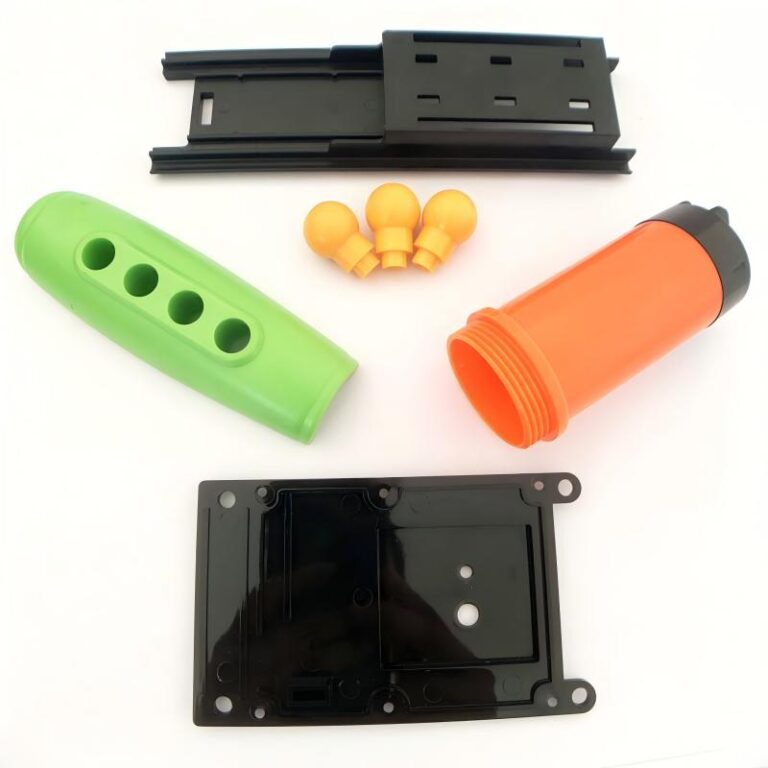
Abs and acrylic are both widely used thermoplastics, but they solve very different problems. One is built for toughness and forgiveness. The other is chosen for clarity, gloss, and visual impact. When this difference is misunderstood, the consequences often show up later—in cracked parts, yellowed surfaces, or unnecessary manufacturing costs.
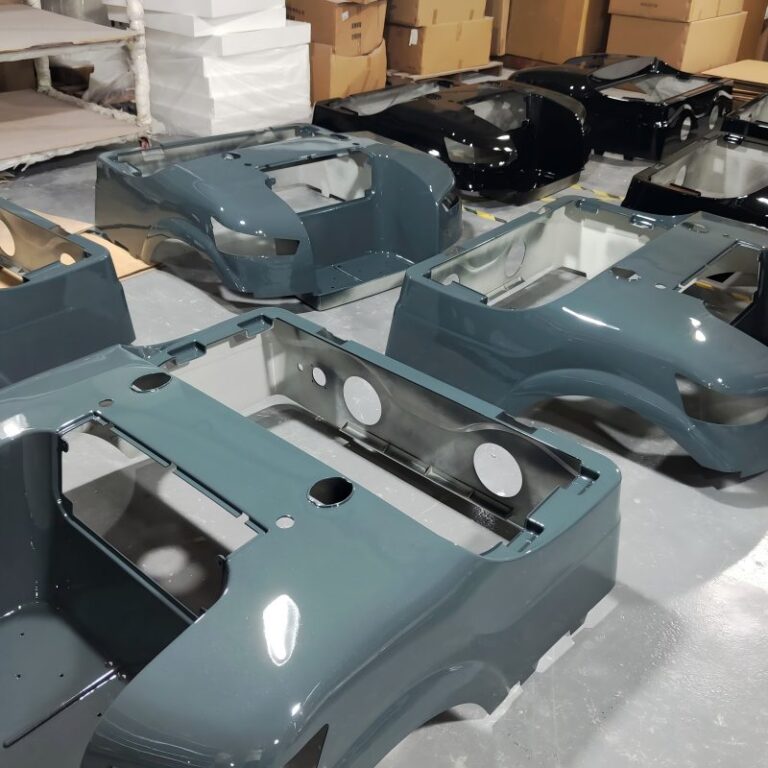
The development of thermoformed products in the automotive industry is evolving towards lightweighting, environmental friendliness, and high personalization. The expansion of the new energy vehicle market will further enhance the application value of vacuum forming technology due to the increasing demand for lightweight components.
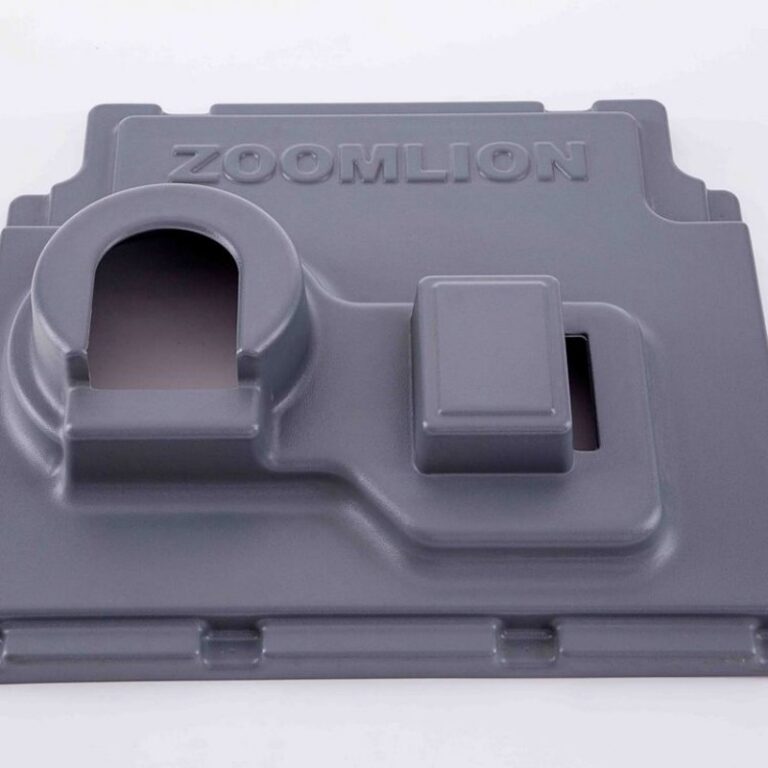
This article systematically analyzes the technological principles of HDPE vacuum forming, showcasing its overwhelming advantages over traditional wooden, metal, and other plastic packaging through detailed comparative data. It also explores its successful applications in diverse industries such as automotive, electronics, medical, and modern agriculture.
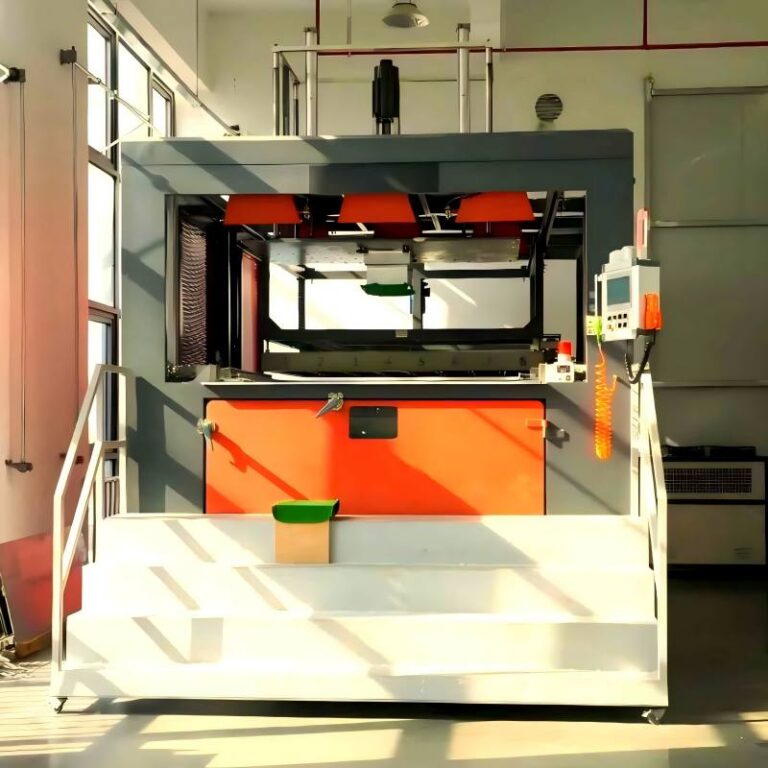
This article aims to deeply analyze six key factors affecting vacuum forming: sheet material performance and selection, heating process control, vacuum and pressure systems, mold design and temperature management, cooling process optimization, and process parameter coordination and intelligent control.
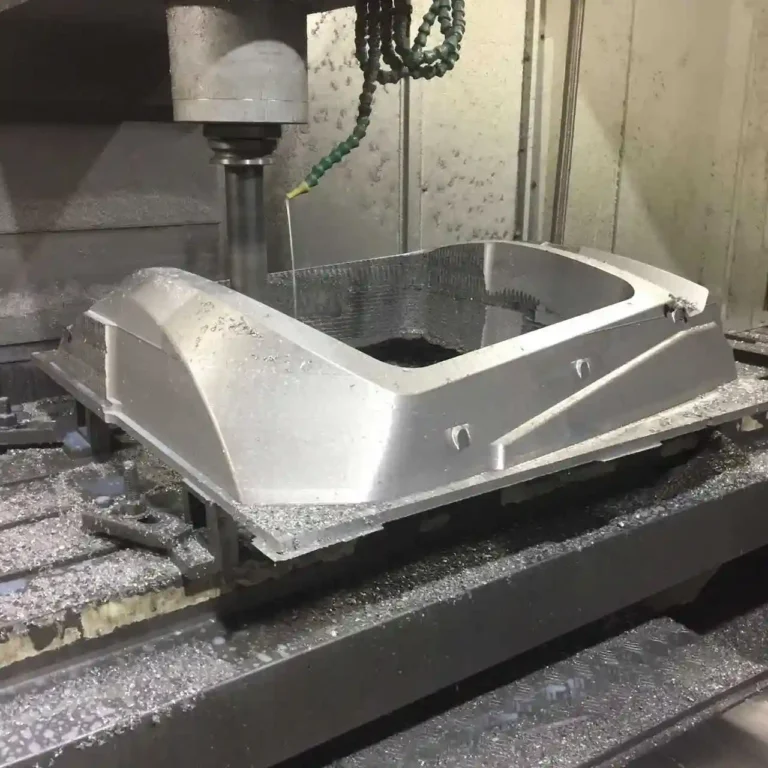
In the thick sheet vacuum forming industry, the choice of mold directly affects product quality, production efficiency, and cost control. Currently, common thick sheet vacuum forming molds mainly include plaster molds, electroplated copper molds, and aluminum molds, each with distinct characteristics in terms of cost, precision, durability, and applicable scenarios.
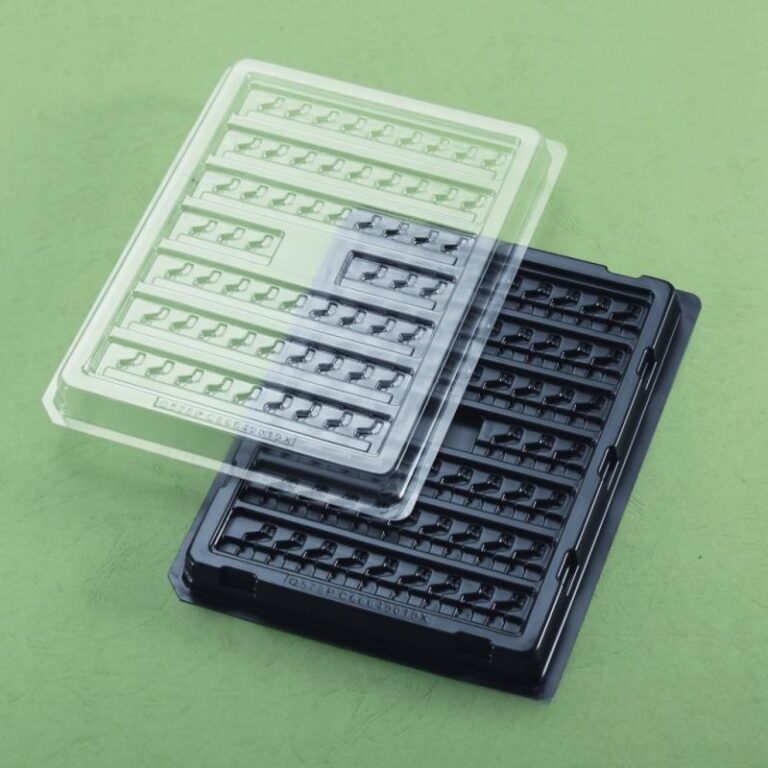
Plastic thermoforming is a core process in packaging, displays, and light industrial parts — and PET family materials (PET, PETG, APET) are among the most commonly used sheets. They’re prized for clarity, strength, and food-contact performance, but each variant behaves differently in the oven and at the tooling.

Vacuum forming is deceptively familiar: the plastic clamshell that holds your headphones, the curvy dash panel in a car, the glossy point-of-sale display in a shop window. It’s a fast, relatively low-cost way to turn flat plastic sheet into three-dimensional parts.
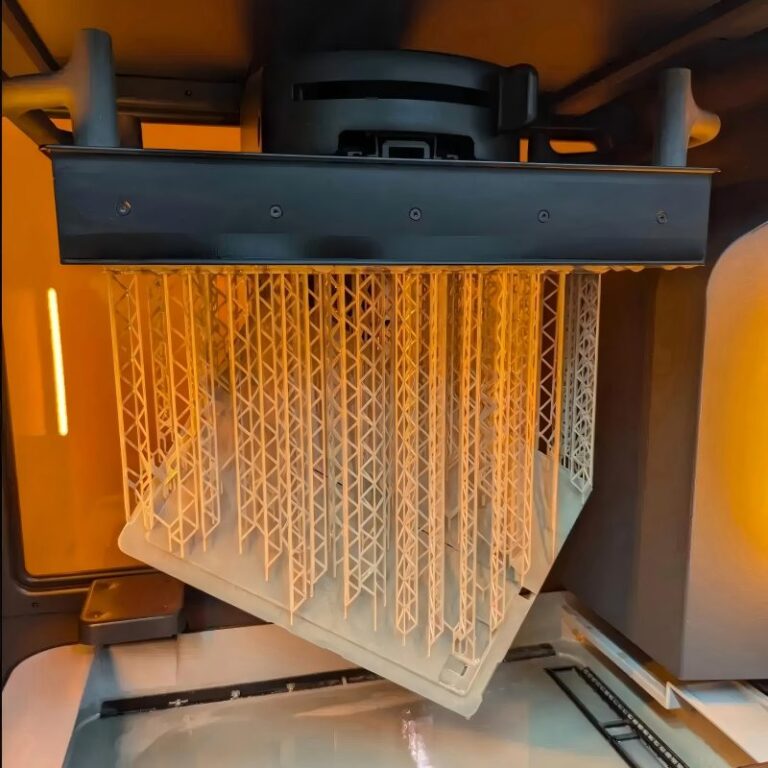
In reality, vacuum forming and thermoforming are not beginner processes — they are forgiving processes. That distinction matters.

Acrylic—better known in engineering terms as PMMA (polymethyl methacrylate)—is a favorite for outdoor signage because it lets through over 92% of light and holds up well against weathering. But since it’s also heated during vacuum forming, people often ask whether summer heat could push it past its limits.
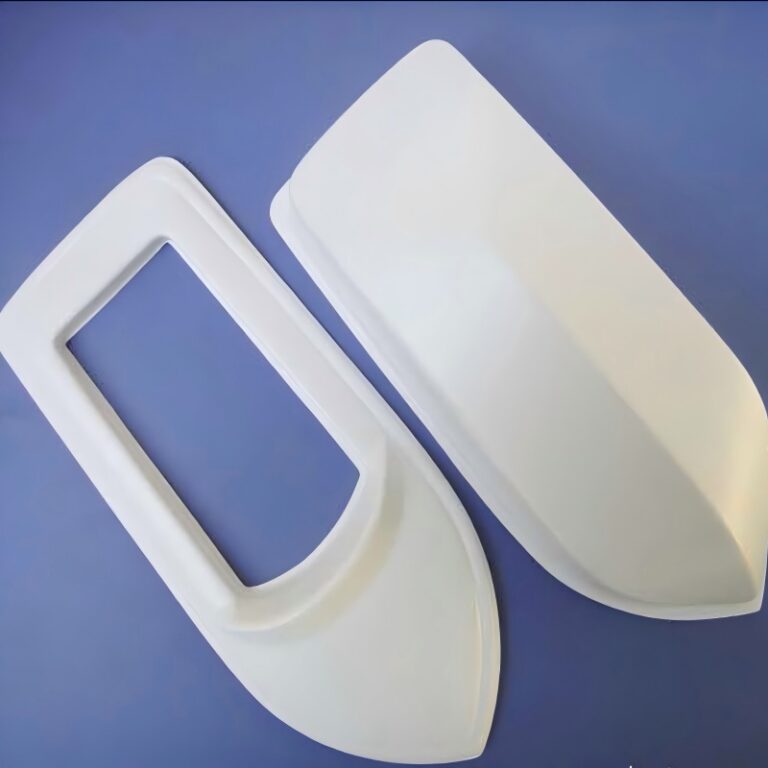
Polypropylene (PP) can be vacuum formed, but it behaves differently from common amorphous plastics (like ABS or acrylic). With the right grade, temperature control, tooling and venting, PP makes durable, chemical-resistant parts
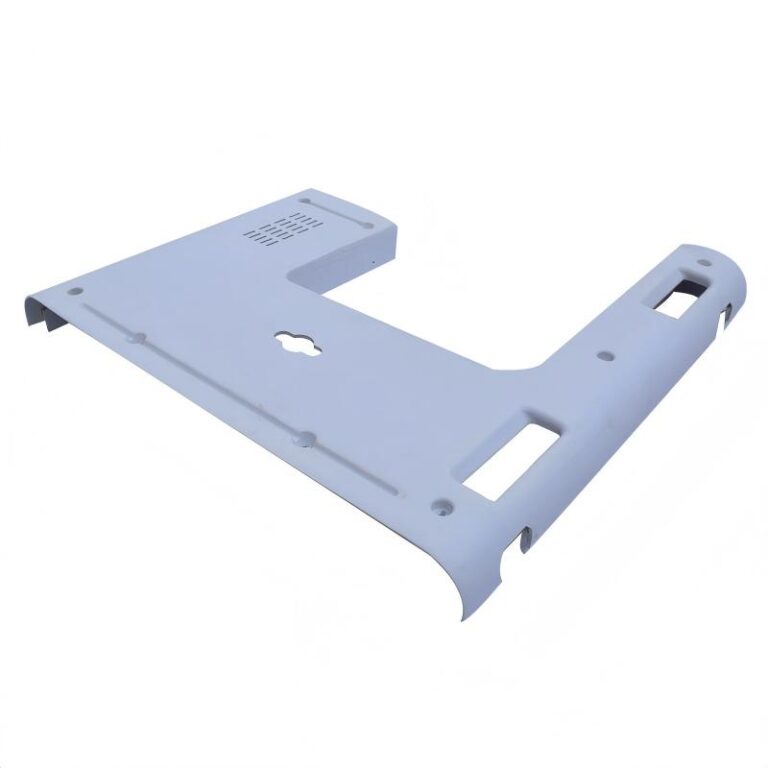
It explains what heavy-gauge (thick-sheet) vacuum forming is, how to choose materials, which industries use it, common part types, customization options, cost and sustainability considerations, and practical steps for design and procurement
Vacuum forming looks simple — heat a sheet, pull it over a mold — but the real skill is in the details. This guide explains what matters in practice (not just theory), why certain choices cost you time or money, and how to avoid the small mistakes that cause scrap, rework or late launches.

TKP Plastic is China's leading provider of vacuum forming solutions. We are defined by our commitment to innovation, uncompromising quality, and total customer satisfaction. Our expertise enables us to deliver projects that excel in cost-effectiveness, intricate design, and sustainable manufacturing. Partner with TKP to bring your vision to life with precision and reliability.